
The Federal Government has declared drug abuse and illicit drug trafficking a major threat to Nigeria’s public health, national security and socio-economic development, reaffirming its commitment to a coordinated national response to curb the growing menace.
The position was made known on Wednesday at the maiden National Drug Use Summit in Abuja, where the Secretary to the Government of the Federation (SGF), Senator George Akume, represented by the Permanent Secretary, General Services Office, Dr. Ibrahim Kana, declared the summit open.
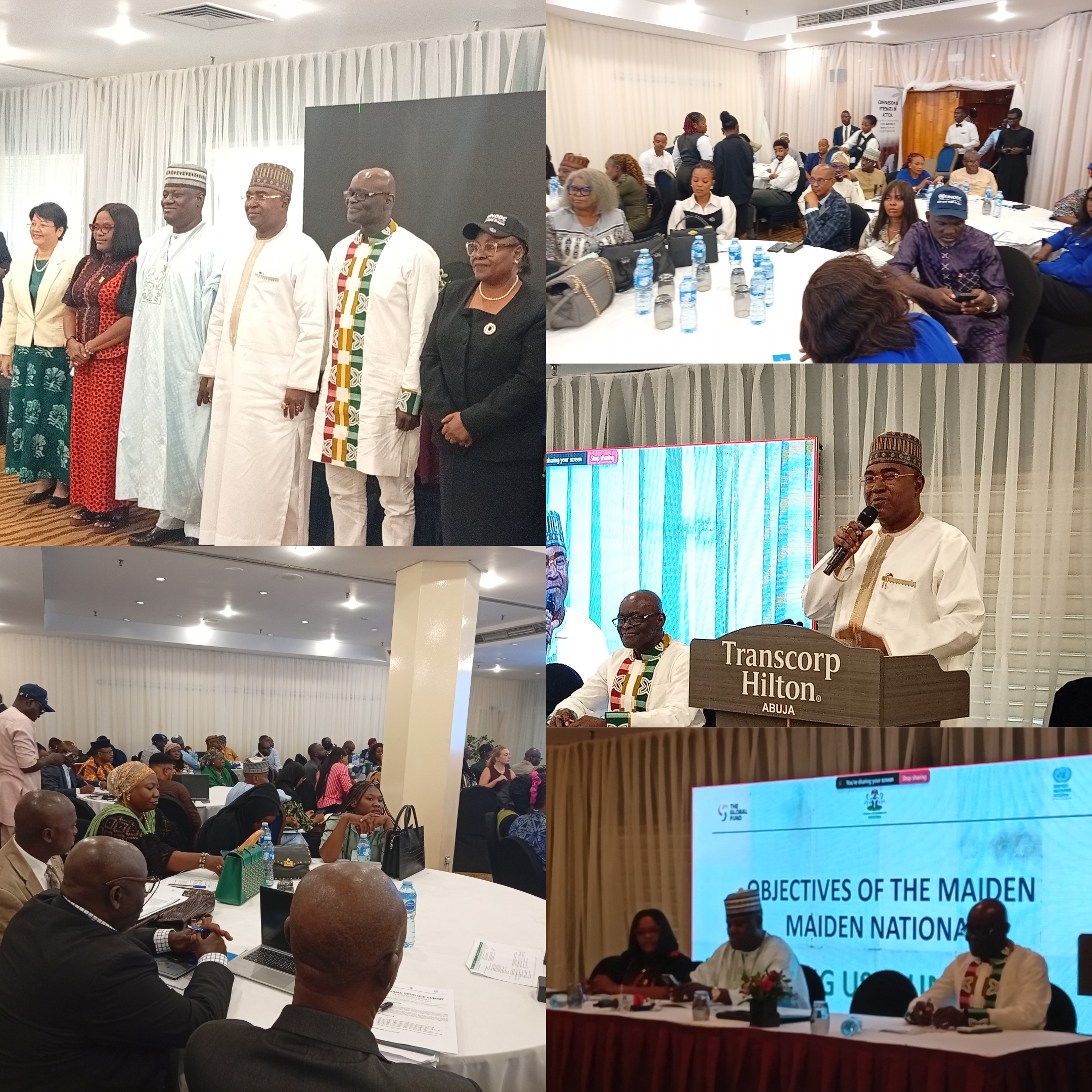
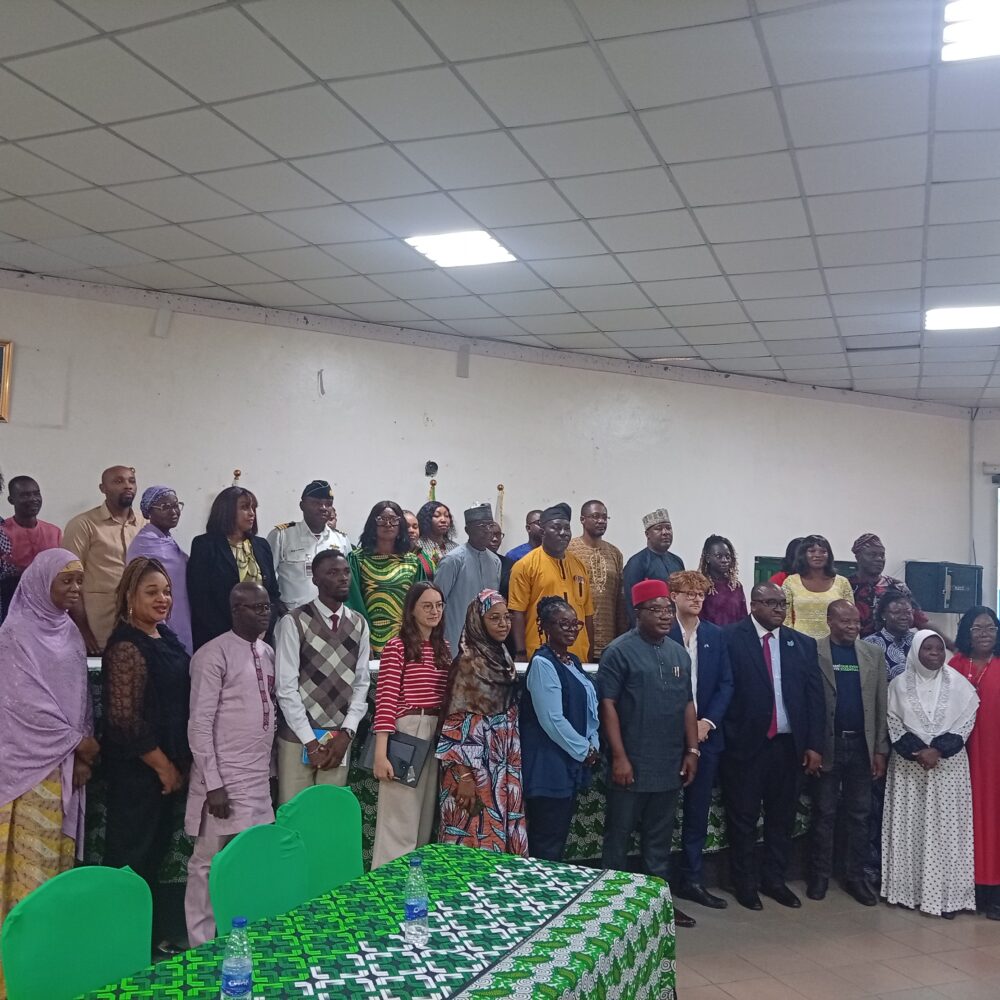
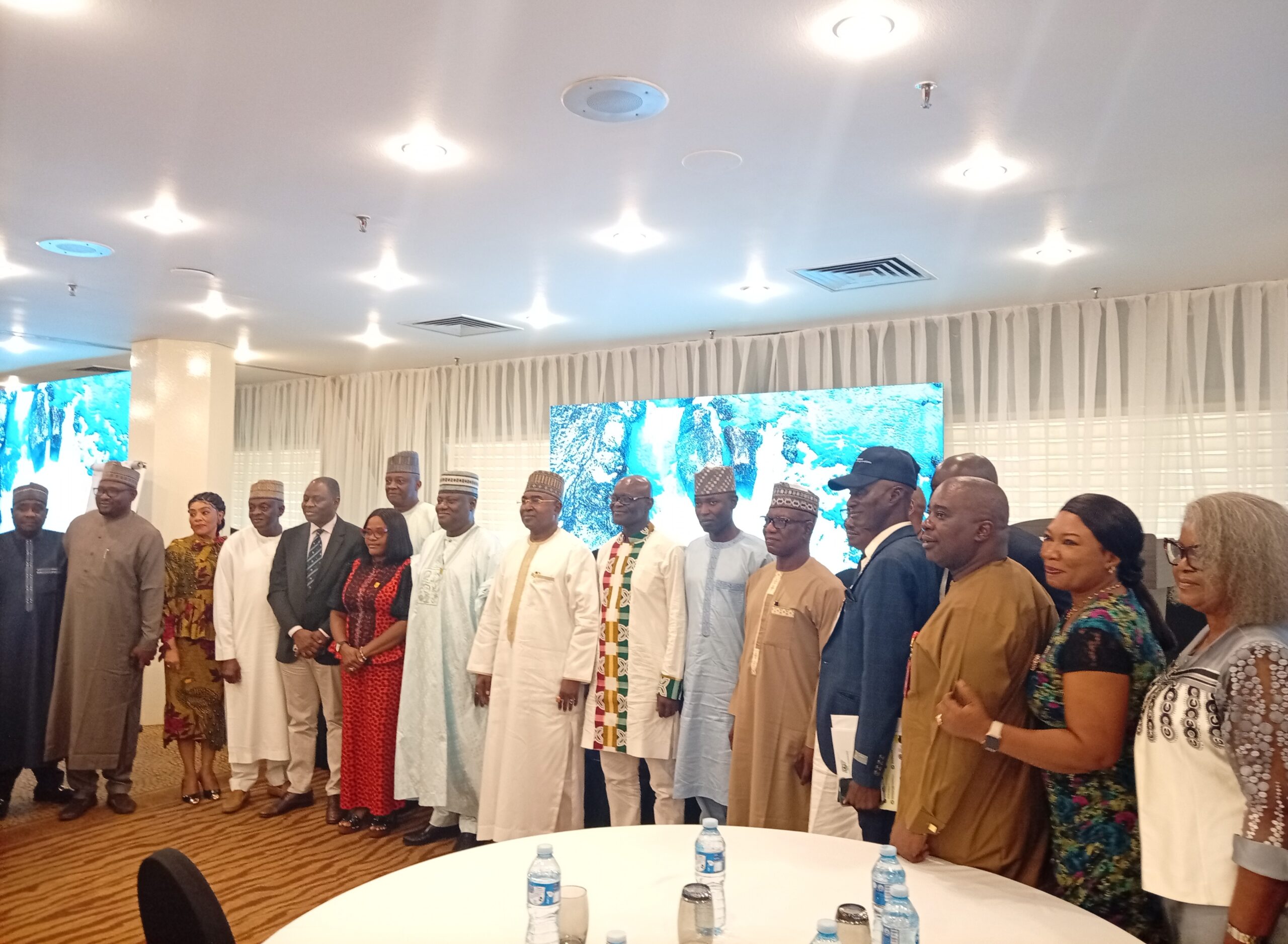
The summit, jointly organised by the National Drug Law Enforcement Agency (NDLEA), the Federal Ministry of Health and Social Welfare and the United Nations Office on Drugs and Crime (UNODC), brought together policymakers, security agencies, healthcare professionals, development partners and civil society organisations to strengthen Nigeria’s response to illicit drug use and trafficking.
Declaring the summit open on behalf of President Bola Ahmed Tinubu’s administration, Senator George Akume described the theme, “Addressing Illicit Drug Use and Trafficking: A Call to National Action,” as both timely and imperative, stressed that the fight against drug abuse is a shared national responsibility.
He said the growing incidence of substance abuse among Nigerians, particularly young people, poses serious risks to public health, national security, social cohesion and economic development.
According to him, drug abuse contributed to mental illness, broken families, disrupted education, crime and insecurity, while its links to organised crime, violent extremism, banditry, kidnapping and money laundering further threaten the nation’s stability.
SGF said the Federal Government recognised substance use disorders not merely as criminal justice issues but as complex public health and social challenges requiring a whole-of-government and whole-of-society approach involving families, schools, communities, healthcare providers, security agencies, faith-based organisations, civil society, the private sector and international partners.
He reaffirmed the commitment of President Tinubu’s Renewed Hope Agenda to strengthening mental healthcare, empowering young people, building resilient communities and reinforcing institutions responsible for preventing drug abuse and supporting recovery.
Earlier in his welcome address, NDLEA Chairman/Chief Executive, Brigadier General (Rtd.) Buba Marwa, described the summit as a national platform for reflection, dialogue and collective action on one of Nigeria’s most pressing public health and security challenges.
He said the event, coming shortly after activities marking the International Day Against Drug Abuse and Illicit Trafficking, demonstrates Nigeria’s determination to confront the country’s evolving drug situation through coordinated, evidence-based and innovative interventions.
Marwa acknowledged the partnership between the Federal Ministry of Health and Social Welfare and UNODC in organising the summit, noting that sustained collaboration remains essential to addressing the increasingly sophisticated drug landscape.
He expressed concern over the abuse of tramadol and other pharmaceutical opioids, the emergence of synthetic drugs, increasing cases of polydrug use and the discovery of clandestine drug laboratories across the country.
According to the NDLEA Chairman, drug abuse has become a public health emergency, a security imperative and a development challenge whose consequences extend beyond individual users to families, communities and the nation’s economy.
Highlighting the agency’s operational achievements, Marwa disclosed that within the last 18 months, the NDLEA arrested 29,262 suspects, seized 5.3 million kilograms of assorted illicit drugs valued at over ₦1.5 trillion, and secured the conviction of 5,225 offenders.
He also revealed that under the agency’s War Against Drug Abuse (WADA) campaign, 6,645 drug prevention and sensitisation programmes had been conducted across schools, communities, markets, workplaces, places of worship, correctional facilities and motor parks, reaching nearly five million Nigerians.
Marwa further stated that 13,508 persons received counselling, treatment and rehabilitation through the agency’s 31 rehabilitation centres nationwide, while the Alternative Development Initiative for cannabis growers continues to support farmers in transitioning from illicit cultivation to legitimate agricultural production.
He stressed that no single institution can successfully tackle Nigeria’s drug problem alone, calling for stronger partnerships among government institutions, communities, traditional and religious leaders, civil society organisations, development partners, the media and the private sector.
Delivering the keynote address, the Coordinating Minister of Health and Social Welfare, Professor Muhammad Ali Pate, represented by the Director of Public Health, called for a balanced, evidence-based approach to drug control that integrates law enforcement with prevention, treatment, rehabilitation and improved access to controlled medicines for legitimate medical use.
He cited findings from Nigeria’s 2018 National Drug Use Survey, which showed that 14.4 per cent of Nigerians aged between 15 and 64 years about one in seven people had used psychoactive substances, with cannabis remaining the most commonly abused drug.
The minister noted that while government must continue to curb the diversion and abuse of narcotic medicines, patients suffering severe pain from cancer, surgery and sickle cell disease should not be denied access to essential controlled medicines such as morphine and pethidine.
He announced that the Federal Ministry of Health and Social Welfare would strengthen national drug data systems through regular surveys, expanded treatment and rehabilitation centres, trained more healthcare workers in addiction management, improve screening and referral services in hospitals, tighten monitoring of controlled medicines and deepen collaboration with the NDLEA and other stakeholders.
Also speaking, the UNODC Country Representative commended the Federal Government, NDLEA and the Ministry of Health for convening the summit, describing it as a critical platform for strengthening national consensus and translating commitments into practical action.
He urged stakeholders to focus on expanding prevention programmes, treatment and rehabilitation services, improving coordination, mobilising sustainable financing and implementing the National Drug Control Master Plan.
Goodwill messages were delivered by representatives of the Federal Ministry of Health and Social Welfare, the Federal Ministry of Justice, the Federal Ministry of Women Affairs , Development partners and the Chief of Defence Staff, all of whom reaffirmed their institutions’ commitment to a coordinated national response to substance abuse.
The summit is expected to produce practical policy recommendations and strengthen collaboration among stakeholders to reduce illicit drug use, improve access to treatment and rehabilitation, and safeguard Nigeria’s future from the devastating impact of substance abuse and drug trafficking.