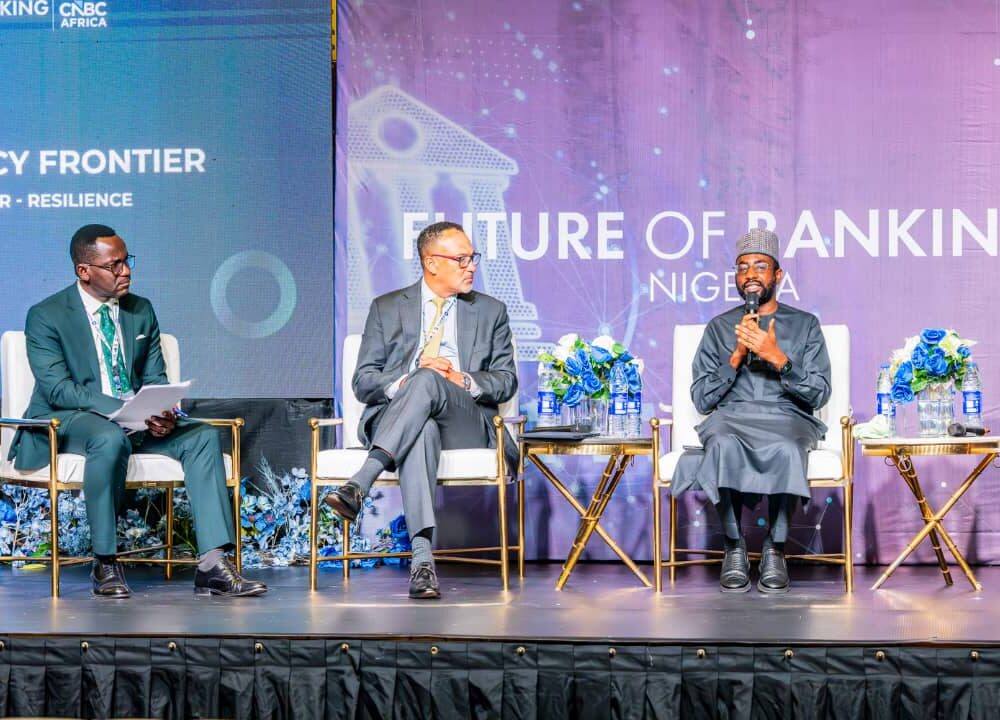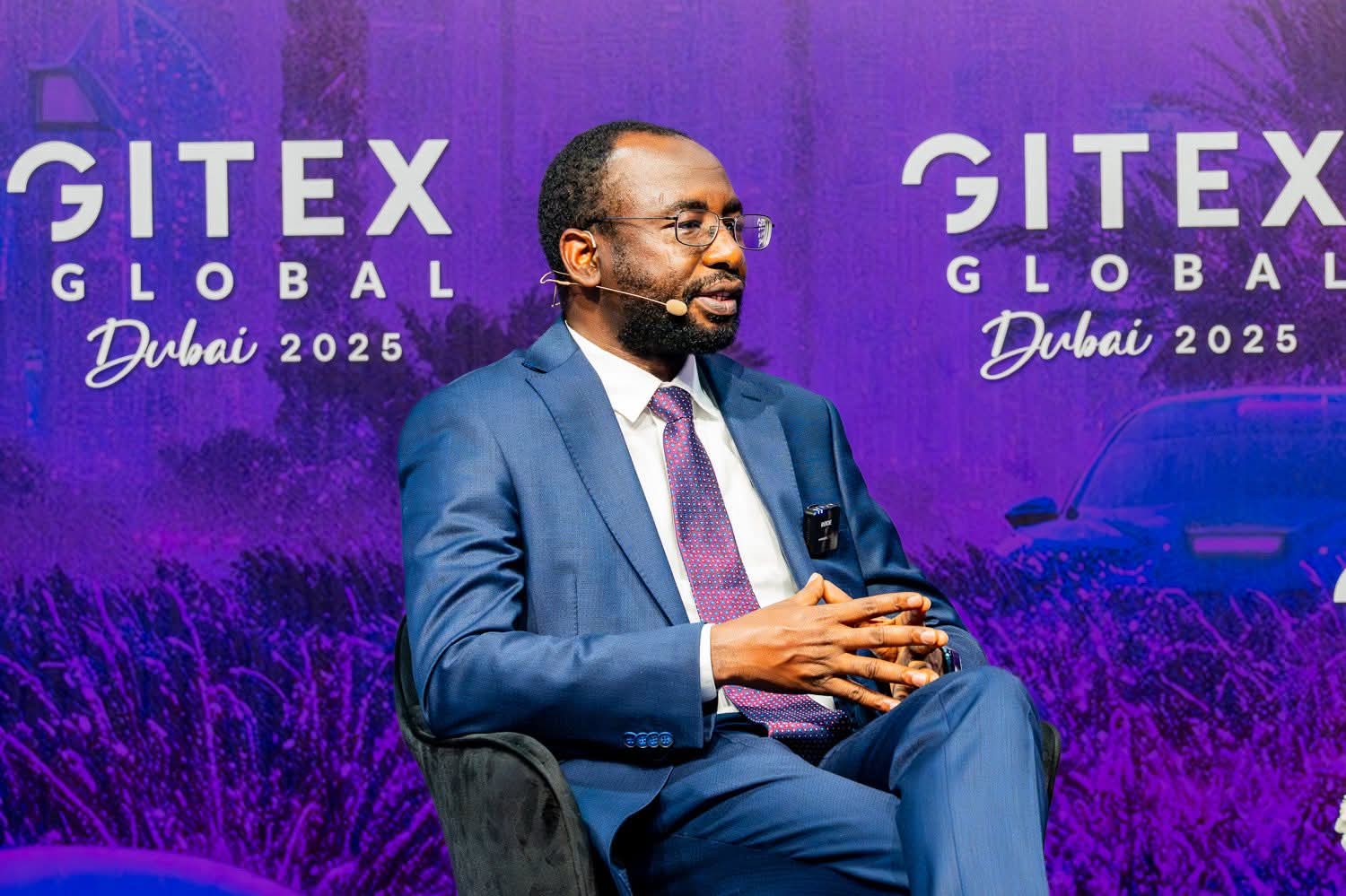
The Director-General of the National Information Technology Development Agency (NITDA), Kashifu Inuwa Abdullahi, CCIE, has reaffirmed Nigeria’s commitment to becoming Africa’s Artificial Intelligence (AI) powerhouse through responsible innovation, digital inclusion, and human capital development.

Speaking during a Fireside Chat at the AI Stage of the Gulf Information Technology Exhibition (GITEX) 2025 in Dubai, Abdullahi said Nigeria’s approach to AI adoption is deliberate, strategic, and focused on national development and global competitiveness.
“Our vision is clear on how we can harness the transformative power of AI through responsible, ethical, and inclusive innovation to foster sustainable development through collaboration,” he said.
The NITDA boss explained that Nigeria’s National AI Strategy is anchored on five guiding principles responsibility, ethics, inclusivity, sustainability, and collaboration added that these values serve as the compass for every AI initiative across the country.
He noted that the strategy is structured around three key objectives and five strategic pillars aimed at building foundational infrastructure, strengthening the ecosystem, accelerating adoption across critical sectors, promoting ethical AI practices, and ensuring effective governance.
According to him, AI is already transforming sectors such as agriculture, healthcare, education, and finance.
“In agriculture, we are helping farmers make informed decisions using real-time data on soil, weather, and crop health. In healthcare, AI enables faster diagnosis and extends services to rural areas. In education, we are embedding AI literacy into formal learning, while in finance, AI tools are detecting fraud and improving credit access,” Abdullahi stated.
He added that the Federal Government is exploring AI-driven public services to improve efficiency, transparency, and trust between citizens and institutions.
“AI can help make public services smarter, faster, and more transparent. We envision a future where citizens can obtain passports or business permits in minutes rather than weeks,” he said.
Abdullahi disclosed that about 70 per cent of Nigeria’s online population already used generative AI tools higher than the global average of 48 per cent attributing the milestone to Nigeria’s youthful population and proactive investment in digital skills.
He highlighted flagship initiatives such as the Digital Literacy for All (DL4ALL) programme, which target 95 per cent digital literacy by 2030; the 3 Million Technical Talent (3MTT) project, one of the world’s largest digital upskilling drives; and the integration of digital literacy into all levels of education.
The NITDA Chief also unveiled plans for the development of Nigeria’s indigenous Large Language Model (LLM), codenamed M-ATLAS, designed to reflect the nation’s linguistic and cultural diversity.
“Nigeria has over 500 languages and countless dialects. If we rely only on foreign AI models, they won’t understand our nuances or culture. That’s why we are building M-ATLAS, an AI that reflects our diversity and eliminates bias,” he said.
Abdullahi expressed optimism that Africa could replicate and even surpass its earlier success in mobile technology adoption through homegrown AI innovation.
“AI is not about machines replacing humans; it is about amplifying human potential. Our mission is to use AI responsibly to drive prosperity, inclusivity, and sustainable development,” he concluded.