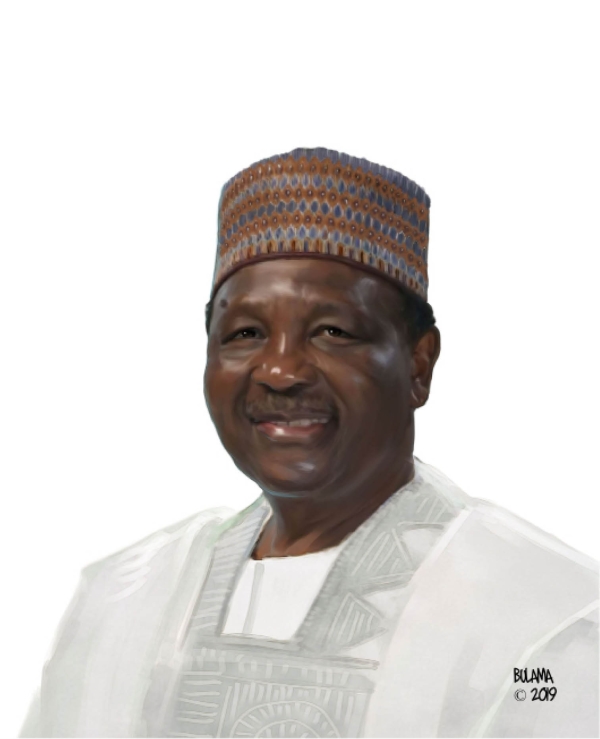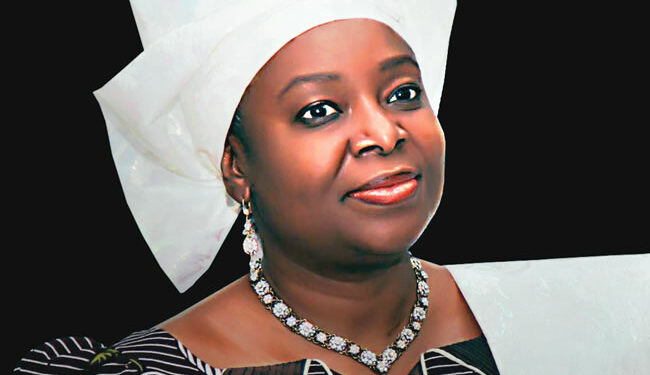
An Exclusive Interview with Olayode Abdurasaq Oluwole — “The Philosopher King”
Thinking Consultant, Life Coach & Trainer
INTERVIEWER: You recently made a thought-provoking statement: “Man created God in man’s own image.” At first hearing, that sounds controversial, even irreverent. What exactly did you mean?
PHILOSOPHER KING: I understand why the statement may startle people. But philosophy often begins by challenging us to think beyond the obvious.
I am not suggesting that man invented God. Rather, I am speaking about the way human beings understand, describe and express their perception of the Divine. We encounter the Infinite through finite faculties—our intellect, language, imagination and moral experience.
When man speaks about God, therefore, he inevitably uses the vocabulary available to him: concepts of love, justice, mercy, wisdom and power. In that sense, our understanding of God is inevitably filtered through the human experience.
INTERVIEWER: So, you are distinguishing between God Himself and man’s description or understanding of God?
PHILOSOPHER KING: Precisely. And that distinction is important.
In Islamic thought, we are taught about the fitrah—the innate disposition through which the human soul is naturally inclined towards recognition of the Divine. We do not create that inclination; it is part of our creation.
Man reaches towards the Divine with the faculties available to him—intellect, conscience, curiosity and a longing for meaning. Those faculties themselves are part of the gift of creation.
So, the “image” is not man replacing God. Rather, it is the human soul attempting to comprehend and reflect what the Creator has placed within it.
INTERVIEWER: What practical lesson should the ordinary person take from this philosophical idea?
PHILOSOPHER KING: The lesson is that human beings should never underestimate the capacity with which they have been created.
Think about it: we can conceive of perfect justice, boundless mercy, extraordinary wisdom and unconditional generosity. That capacity should humble us because our understanding remains limited. But it should also elevate us because we have been endowed with the ability to aspire towards something greater than ourselves.
The practical question then becomes: What kind of “God” have I constructed in my own mind?
If your inner world is dominated by anger and resentment, you may perceive the Divine primarily through the lens of punishment. If your heart is cultivated through mercy, patience and compassion, your understanding of the Divine may become broader and more profound.
This is why our character matters. The condition of the heart influences the lens through which we see the world—and, ultimately, how we understand our relationship with God.
INTERVIEWER: Does that mean self-examination is central to spiritual development?
PHILOSOPHER KING: Absolutely.
We should constantly examine the condition of our hearts. Are we becoming more merciful? More just? More patient? More forgiving? More truthful?
The Prophet Muhammad ﷺ taught the importance of showing mercy to others. That principle reminds us that spirituality cannot be separated from human conduct.
If our claim to faith does not produce better character, then we must ask ourselves whether we have truly understood what we profess.
INTERVIEWER: How, then, should this understanding influence the way we live?
PHILOSOPHER KING: If human beings possess the capacity to reflect qualities such as mercy, justice, patience, wisdom and generosity, then everyday life becomes an opportunity to demonstrate those qualities.
You cannot convincingly claim devotion to a merciful God while deliberately living a life devoid of mercy. You cannot praise divine justice while treating people unjustly.
Faith should therefore become visible in our conduct.
Our relationships, businesses, leadership, families and communities should all become places where the values we claim to believe in are demonstrated.
INTERVIEWER: What would you say is the greatest danger in creating God in our own image?
PHILOSOPHER KING: The danger is that we may unconsciously reduce the Divine to our own limitations.
We can project our anger onto God, our prejudices onto God, our fears onto God and even our desire for revenge onto God. That is where spiritual maturity becomes essential.
God is not limited by the imperfections of human beings. Rather, human beings must continually refine their understanding of God through revelation, knowledge, humility and righteous conduct.
The more we purify the heart, the more carefully we can distinguish between who God is and what our limited minds imagine Him to be.
INTERVIEWER: Finally, what three messages would you like our readers to take away from this conversation?
PHILOSOPHER KING: First, you are not an accident. The human capacity to contemplate justice, mercy, truth and perfection points to a profound dimension of our creation.
Second, examine your inner mirror. The image of God you carry in your heart may reveal something about the condition of your own heart. Purify the heart, and your perception becomes clearer.
Third, live the values you profess. Faith is not merely an intellectual conviction. It should manifest itself through mercy, justice, wisdom, honesty and compassion in our dealings with others.
Ultimately, man did not create God. But man was created with the capacity to recognise, contemplate and reflect divine qualities through the way he lives.
That is not a diminishment of God. It is a profound responsibility—and one of the greatest honours bestowed upon the human being.
INTERVIEWER: Profound words to end on. Thank you, Philosopher King.
PHILOSOPHER KING: Thank you for the conversation. May it not only provoke thought, but inspire better living.
Olayode Abdurasaq Oluwole, popularly known as “The Philosopher King,” is a Thinking Consultant, Life Coach and Trainer.