

The National Human Rights Commission (NHRC) has expressed deep concern over worsening insecurity, rising cases of extra-judicial killings, and increasing threats to civic freedoms in Nigeria, calling for stronger accountability and protection of citizens’ rights.
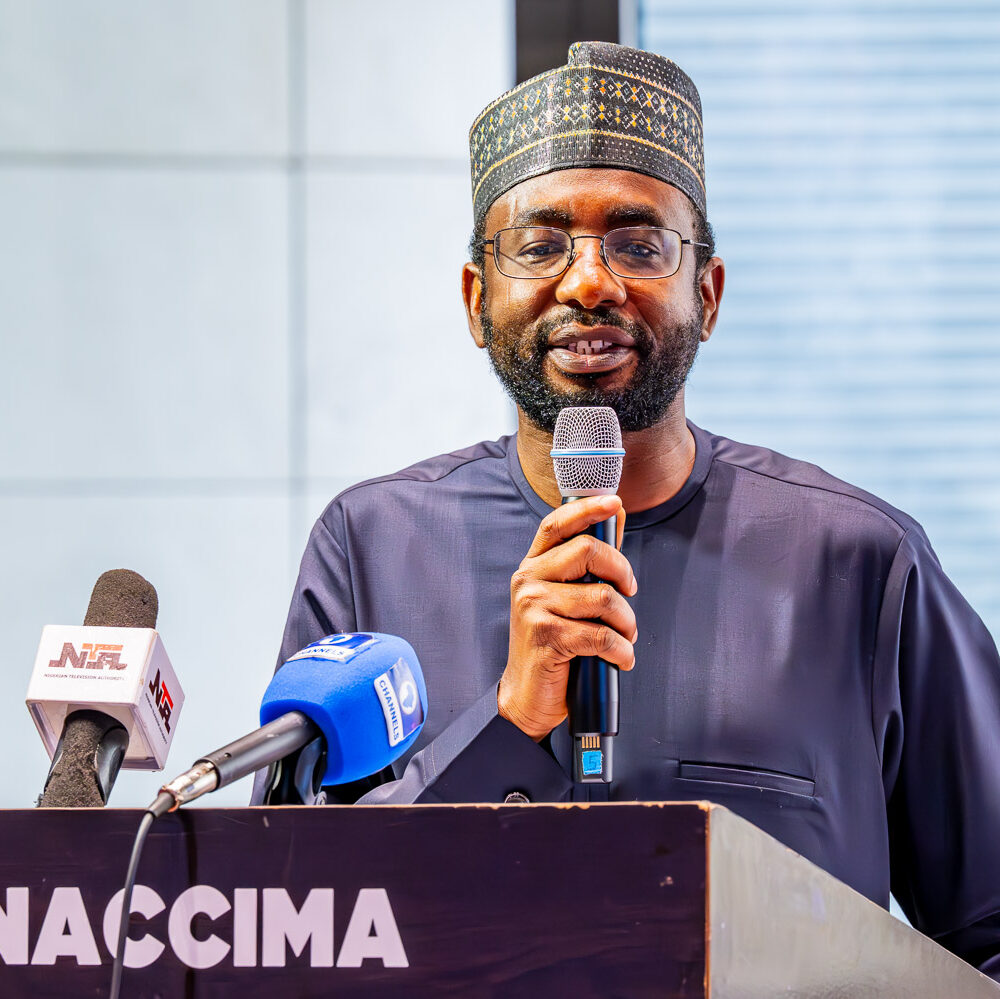
Speaking during the presentation of the Commission’s April 2026 Human Rights Situation Dashboard and the signing of the Advisory on Protecting Civic Space and Human Rights, Executive Secretary of the NHRC, Tony Ojukwu, said the country continues to face serious human rights challenges.
According to him, the Commission received a total of 266,787 complaints across its offices nationwide in April 2026, reflecting the daily struggles of Nigerians ranging from discrimination and insecurity to abuse of authority, economic hardship, and limited access to justice.
Ojukwu disclosed that the NHRC Observatory monitored widespread incidents of violent attacks, kidnappings, communal clashes, displacement, gender-based violence, and alleged abuses linked to law enforcement operations during the period under review.
He specifically raised concerns over a recent airstrike incident in Borno State which reportedly led to civilian casualties, calling for a transparent and independent investigation in line with both national and international human rights obligations.
The NHRC boss also condemned the growing cases of extra-judicial killings by security agencies, revealing that the Commission documented more than five such incidents in April alone.
He stressed that human life remains sacred and urged authorities to ensure prompt prosecution of offenders as well as compensation for victims’ families.
On the newly signed Advisory on Promoting and Protecting Civic Space and Human Rights, Ojukwu described the initiative as timely, noting that civic freedoms globally are increasingly under pressure, particularly the rights to freedom of expression, peaceful assembly, association, and media freedom.
He explained that the advisory, developed through broad stakeholder consultations, would serve as a practical guide for safeguarding civic participation and strengthening democratic governance in Nigeria.
In his remarks, Executive Director of the Nigerian Network of NGOs, Oyebisi Oluseyi, said the Commission partnered with civil society organisations to ensure the advisory becomes a useful tool for all citizens regardless of background or gender.
He encouraged Nigerians to take advantage of the initiative in promoting and defending human rights and civic freedoms across the country.