The Federal Government has reaffirmed that West Africa remained the cornerstone of Nigeria’s foreign policy, as newly appointed Ambassadors and High Commissioners-designate to countries in the sub-region were tasked with promoting democratic governance, regional security, economic integration and citizen diplomacy.
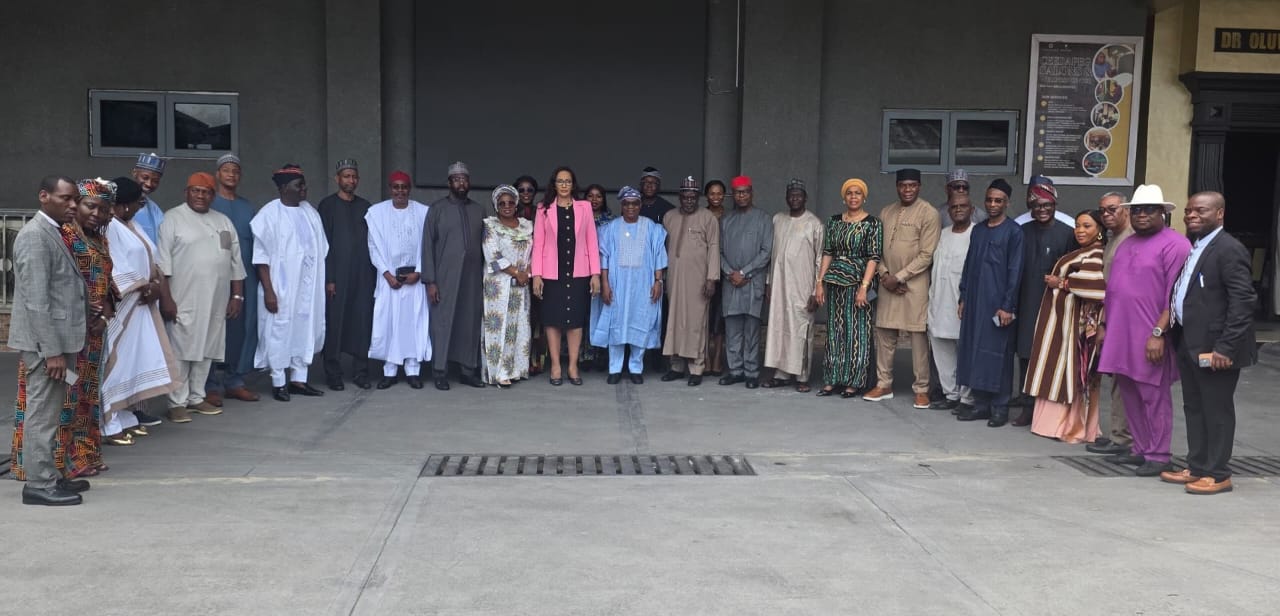
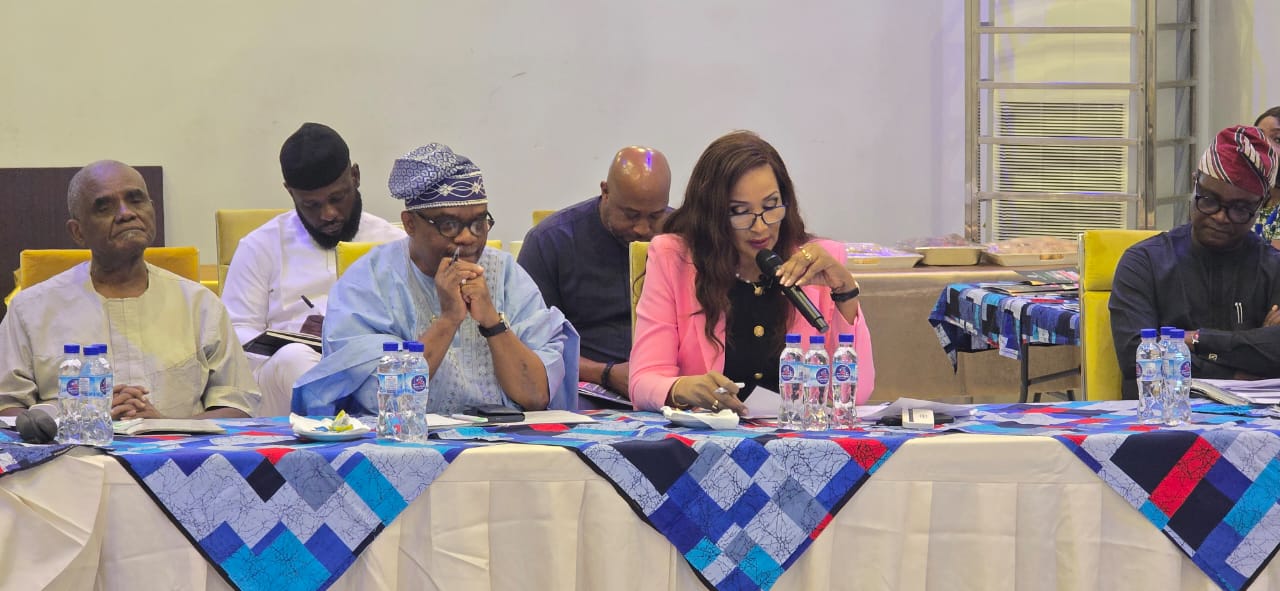
The charge was delivered at a strategic retreat for Nigeria’s Ambassadors and High Commissioners-designate to West African countries held on Saturday in Uyo, Akwa Ibom State.
Speaking at the opening of the retreat, the Honourable Minister of State for Foreign Affairs, Ambassador Sola Enikanolaiye, described the gathering as a critical platform for preparing the envoys for their assignments at a time of significant geopolitical and security challenges in West Africa.
He emphasized that Nigeria’s foreign policy must remain firmly anchored on the protection of national interests, particularly the welfare and security of citizens, noting that developments in neighbouring countries directly affect Nigeria’s stability and prosperity.
According to him, Nigeria’s position as an emerging power demanded that it prioritise commitments and resources within its immediate neighbourhood, stressing that the West African sub-region remains Nigeria’s primary sphere of influence.
The minister highlighted Nigeria’s historical role in promoting peace, security, democracy and socio-economic development across the region, adding that the retreat was designed to deepen participants’ understanding of Nigeria’s leadership responsibilities within the Economic Community of West African States (ECOWAS).
Ambassador Enikanolaiye noted that despite changing regional dynamics, Nigeria’s leadership role in West Africa remains intact, arguing that the country continues to lead through the strength of its ideas and initiatives, including the maiden West Africa Economic Summit (WAES) hosted in 2025.
He identified terrorism, unconstitutional changes of government, proliferation of small arms, human and drug trafficking, banditry and other transnational crimes as major threats confronting the region, urging the envoys to address these challenges with diplomatic skill and strategic engagement.
The minister also expressed concern over the withdrawal of some member states from ECOWAS and the growing influence of extra-continental powers in the region, describing the developments as issues requiring careful management and proactive diplomacy.
He further reminded the diplomats that Nigeria’s foreign policy under President Bola Ahmed Tinubu is guided by the 4D Doctrine of Demography, Development, Democracy and Diaspora, urging them to serve as custodians of the framework in their respective host countries.
On economic diplomacy, Ambassador Enikanolaiye directed the envoys to promote regional trade integration through the African Continental Free Trade Area (AfCFTA) and the ECOWAS Trade Liberalisation Scheme (ETLS), while working to eliminate non-tariff barriers affecting Nigerian businesses.
He also stressed the importance of protecting Nigerians living abroad and ensuring that diplomatic missions become responsive centres of support for citizens in distress.
In her keynote address, the Minister of Foreign Affairs, Ambassador Bianca Odumegwu-Ojukwu, described the postings as strategic deployments to the frontline of Nigeria’s national interest rather than routine diplomatic assignments.
She reiterated that West Africa occupies a central place in Nigeria’s foreign policy framework and remains indispensable to the country’s security and development objectives.
According to her, the region is currently facing severe challenges, including democratic instability, terrorism, violent extremism and transnational crimes, all of which threaten regional cohesion and economic progress.
The minister maintained that democracy remains the best path to peace and prosperity, calling on the envoys to actively support democratic institutions, good governance, human rights and the rule of law across their host countries.
She also urged them to pursue aggressive economic diplomacy by promoting trade, investment and partnerships in critical sectors such as agriculture, manufacturing, energy and digital technology.
Ambassador Odumegwu-Ojukwu emphasized the need for stronger security cooperation among West African states, noting that no single country can successfully confront the region’s growing security threats in isolation.
She further directed the envoys to prioritise citizen diplomacy by safeguarding the rights and welfare of Nigerians across the ECOWAS region and engaging the diaspora as development partners.
Highlighting the importance of innovation in modern diplomacy, the minister encouraged the diplomats to leverage digital tools and strategic communication to advance Nigeria’s interests and expand their reach.
Both ministers expressed confidence that the retreat would equip the ambassadors and high commissioners-designate with the knowledge and strategic orientation required to effectively advance President Tinubu’s vision of a peaceful, secure and economically prosperous West Africa.
The one-day retreat featured presentations on ECOWAS, regional security dynamics, economic integration, migration and humanitarian challenges, as well as the implications of external geopolitical influences in West Africa.