By James Isaac
The Senate has commenced efforts to strengthen the welfare, training and operational capacity of the Nigeria Police Force through a proposed legislation to repeal and re-enact the Nigeria Police Trust Fund Act, 2026.
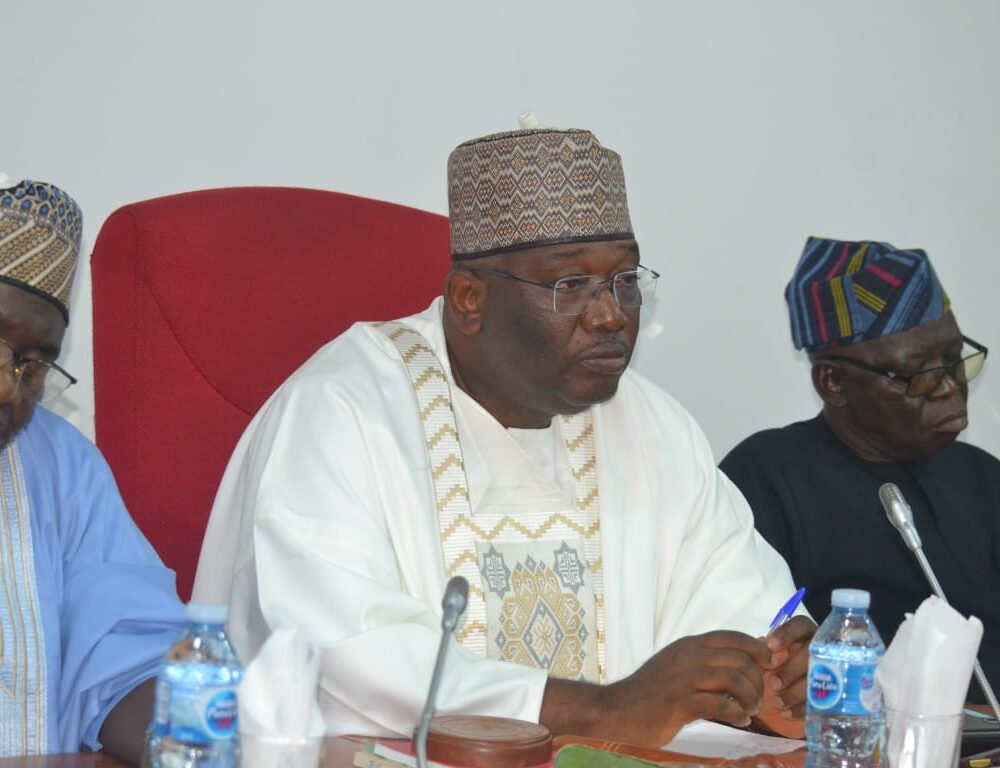
Declaring open a one-day public hearing on the bill at the National Assembly, President of the Senate, Godswill Akpabio, reaffirmed the legislature’s commitment to inclusive lawmaking and evidence-based policymaking.
Represented by Senator Osita Ngwu, Akpabio said the Senate valued the contributions of stakeholders and assured that all submissions made during the hearing would receive careful consideration to ensure the legislation reflects the aspirations and interests of Nigerians.
He commended President Bola Ahmed Tinubu for what he described as his unwavering commitment to security sector reforms and institutional strengthening, noting that the proposed bill underscores the importance of sustainable funding and effective governance in enhancing policing and national security.
The Senate President also paid tribute to officers and men of the Nigeria Police Force for their sacrifices in safeguarding the country despite numerous challenges.
“As policymakers, we owe them a duty to ensure that they are adequately equipped, properly trained and sufficiently supported to carry out their responsibilities,” he said, adding that the public hearing presents an opportunity to shape the future of an institution that plays a critical role in supporting policing in Nigeria.
In his welcome address, Chairman of the Senate Committee on Police Affairs, Senator Abdulhamid Malam Madori, urged participants to make frank, constructive and patriotic contributions that would strengthen the bill and enhance the effectiveness of the Nigeria Police Trust Fund.
Executive Secretary of the Trust Fund, Mohammed Sheidu, said the Fund was established to address longstanding funding gaps within the Nigeria Police Force but noted that implementation of the existing law had exposed legislative, structural and funding limitations that necessitate a more robust legal framework.
According to him, Nigeria’s security challenges have evolved significantly since 2019, with threats such as banditry, terrorism, kidnapping, cybercrime, organised criminal networks and emerging technological crimes requiring a better-equipped, better-trained and adequately funded police force.
“As we have all witnessed in recent months, various security incidents across different parts of the country continue to place enormous pressure on our security institutions,” he said.
Sheidu explained that the proposed legislation would provide a stronger institutional framework for sustainable funding of police modernisation, training, technology infrastructure and personnel welfare.
He added that improved security would encourage investment, boost agricultural productivity, reduce inflationary pressures linked to insecurity and ultimately improve the quality of life of Nigerians.
The Office of the Attorney-General of the Federation and the Ministry of Police Affairs expressed support for the bill and backed its passage without objection.
The Inspector-General of Police, represented by Deputy Inspector-General Mohammed Abdul Sulaiman, also supported the legislation but raised concerns over certain provisions, particularly the composition of the Trust Fund Board. He urged lawmakers to review aspects of the bill to accord the Inspector-General an appropriate role in the administration of the Fund.
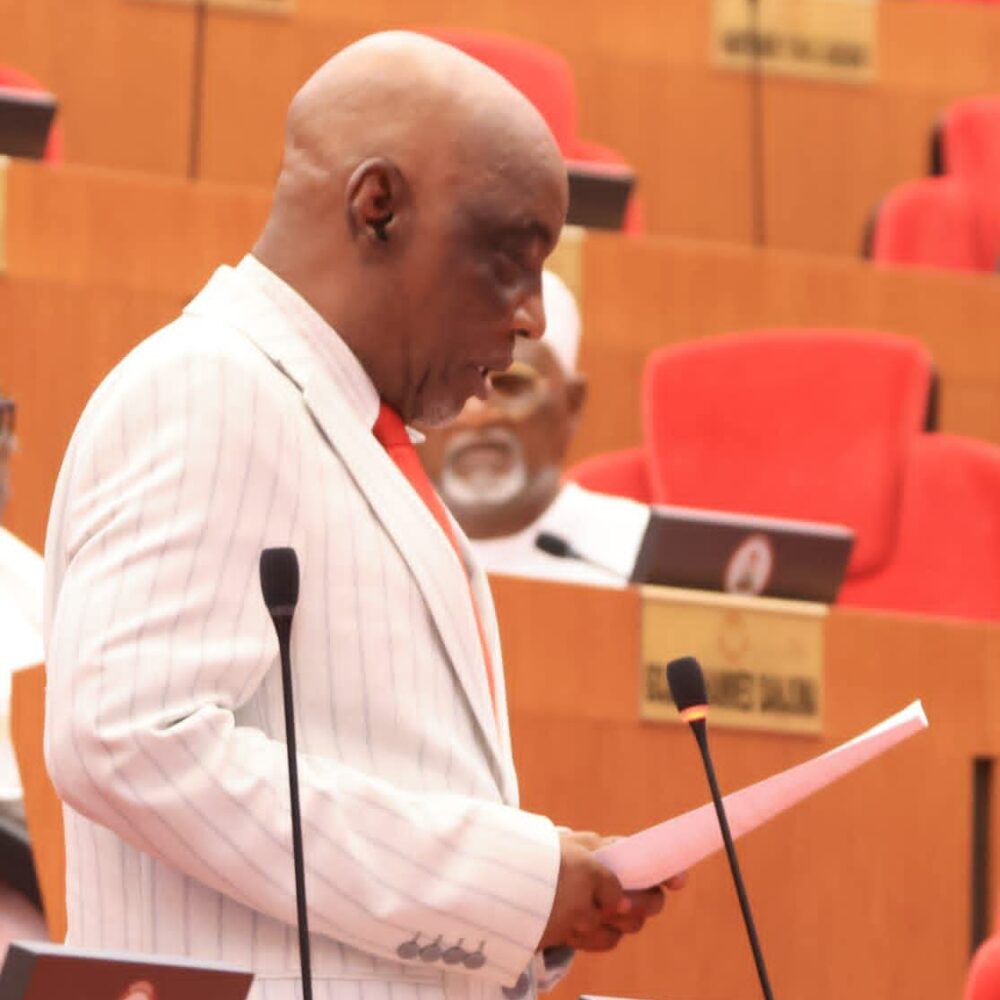
During discussions on the bill, Senator Abdul Ningi called on police authorities to strictly adhere to the provisions of the proposed law to ensure meaningful improvements in officers’ welfare.
Ningi expressed concern over the poor welfare conditions of many police personnel, arguing that inadequate support often exposes officers to unethical practices.
He lamented situations where officers are deployed to duty posts without receiving the allowances required to perform their assignments effectively, stressing that such neglect contributes to corruption within the service.
The public hearing attracted key stakeholders from the security sector, government agencies and civil society groups, all of whom made submissions aimed at strengthening the proposed legislation and improving policing in Nigeria.