

The Minister of Interior, Olubunmi Tunji-Ojo, has reaffirmed the Federal Government’s commitment to transformative reforms aimed at improving efficiency, strengthening internal security, and ensuring results-driven governance across public institutions.
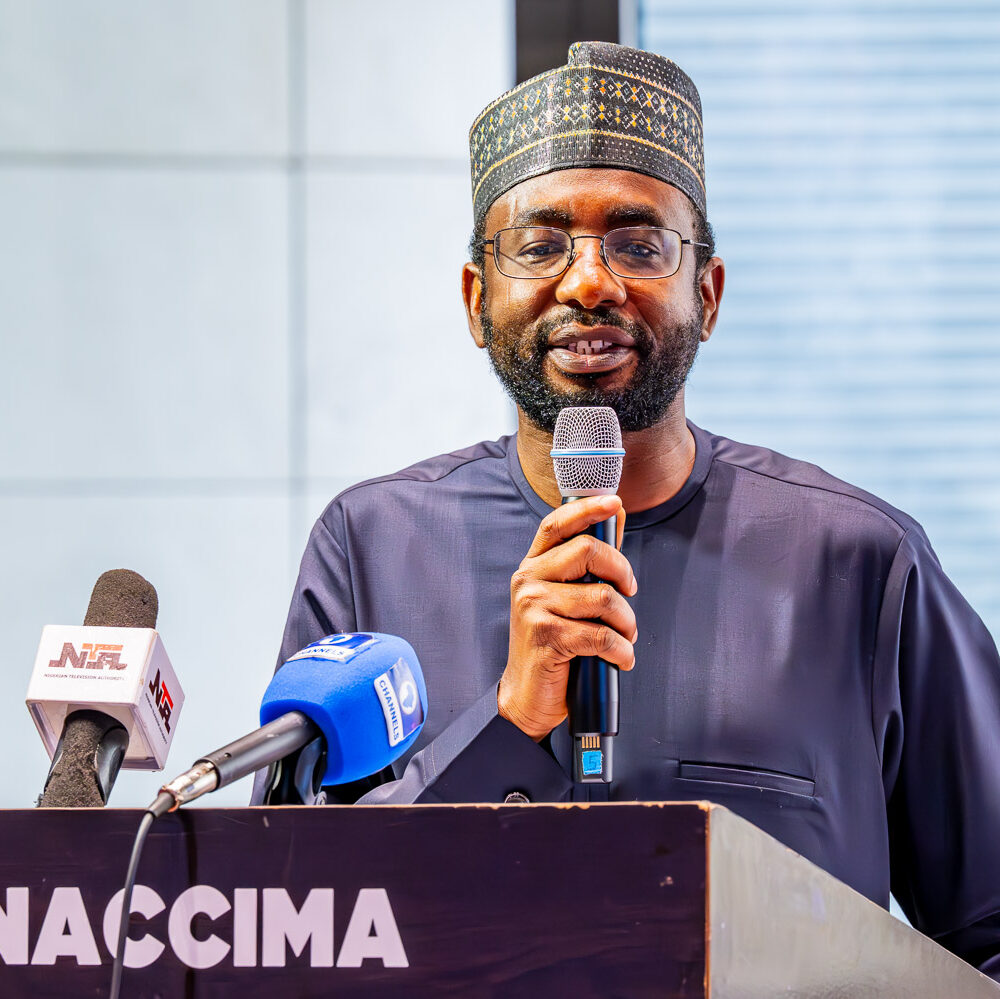
Speaking at the International Civil Service Conference themed “Reforms, Resilience and Results,” Tunji-Ojo said excessive bureaucracy and redundant procedures remain major obstacles to progress in the public sector, stressed that simplifying government processes is essential to unlocking innovation and improving service delivery.
According to the minister, “complexity is the enemy of progress,” noting that citizens now expect tangible outcomes from government institutions rather than explanations.
He maintained that public service in the 21st century must be anchored on accountability, performance, and innovation, declaring that “business as usual has no place in public service.”
Tunji-Ojo stated that the trust placed in public officials by Nigerians must be matched with measurable performance and a commitment to meaningful reforms.
Addressing participants at the conference, including members of the Federal Executive Council, heads of agencies, diplomats, and industry leaders, the minister highlighted the importance of collaboration in driving sustainable reforms across government institutions.
He also commended civil servants in the Ministry of Interior for their professionalism and dedication, describing them as key contributors to the ministry’s successes.
Speaking further on the conference theme, Tunji-Ojo explained that effective reforms begin with a proper understanding of existing challenges. According to him, reform efforts must answer three critical questions — identifying the current situation, defining the desired outcome, and determining the pathway for achieving meaningful change.
The minister warned that many reform initiatives fail because of poor problem identification, stressing that governance and internal security reforms must be guided by data-driven analysis and strategic thinking.
“You cannot solve a problem you do not understand,” he stated.
Tunji-Ojo also urged public servants to move away from emotional attachment to outdated systems and embrace innovation, knowledge, and practical understanding as tools for institutional transformation.
Reaffirming the ministry’s role in safeguarding Nigeria’s internal security architecture, the minister assured Nigerians of continued efforts to strengthen institutional capacity, improve operational efficiency, and deliver impactful results aligned with national priorities.
The conference also featured contributions from key stakeholders and was moderated by renowned media professional Stephanie Bussari.