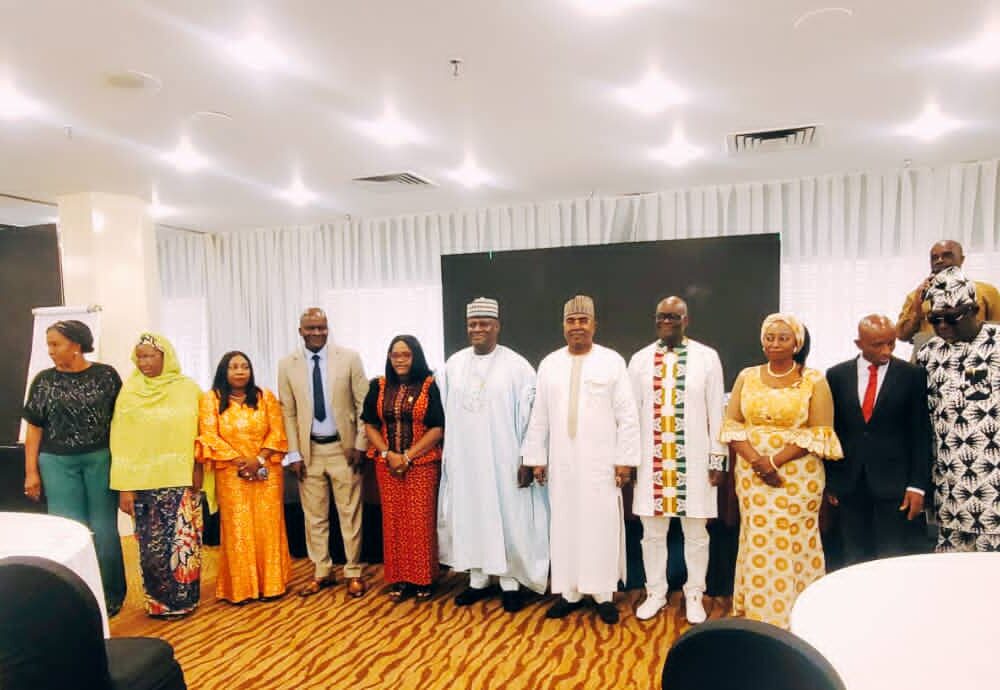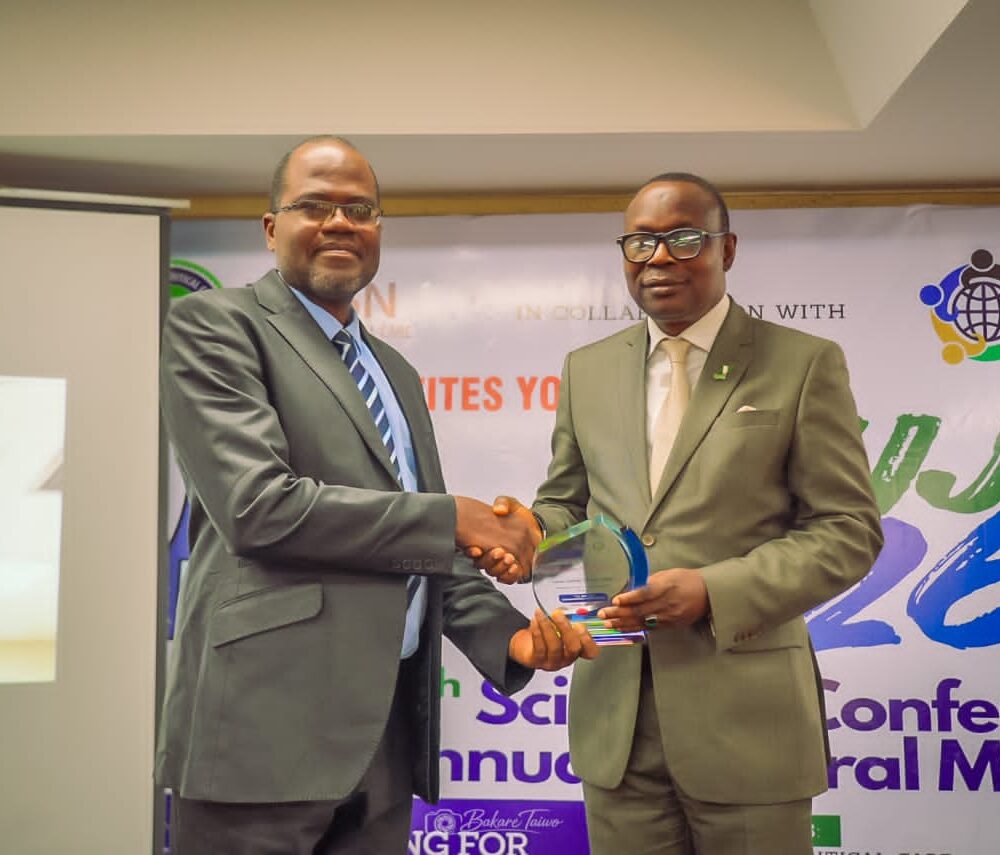

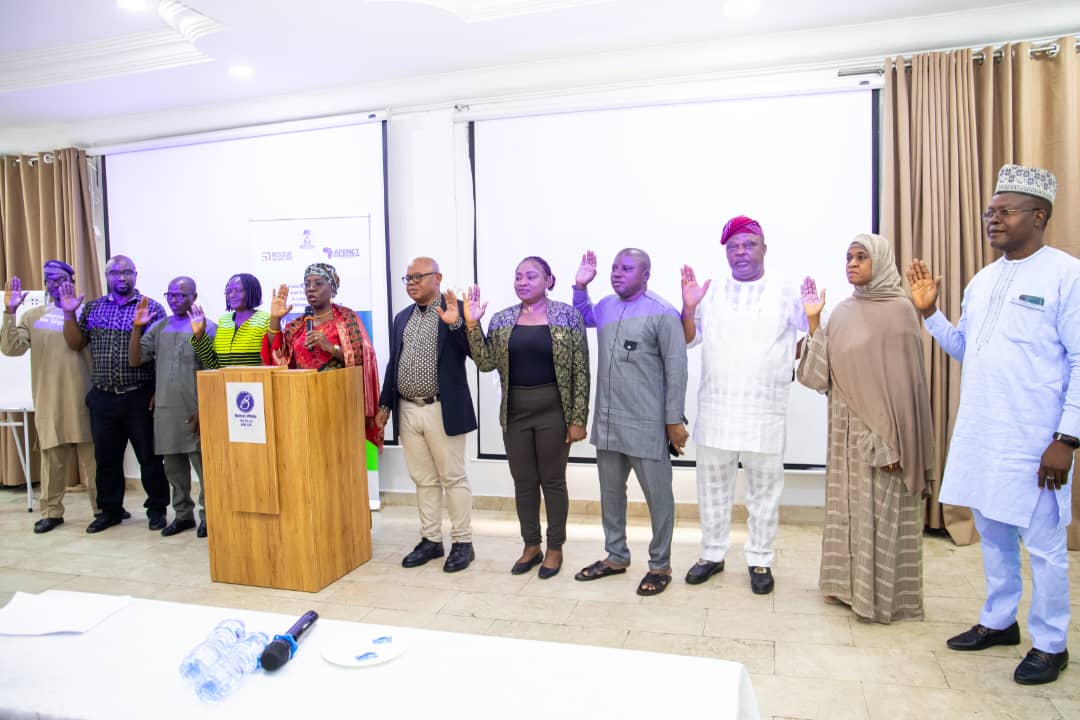
The Federal Government has inaugurated a National Inter-Agency Working Group on Lead Poisoning Elimination and unveiled a five-year strategic plan aimed at addressing the growing threat of lead exposure in Nigeria.
The initiative was announced during a two-day workshop in Abuja, convened by the Federal Ministry of Health and Social Welfare to validate and finalize the National Strategic Plan on Lead Poisoning Elimination.
Coordinating Minister of Health and Social Welfare, Professor Muhammad Ali Pate, represented by the Ministry’s Permanent Secretary, Daju Kachollom, through Mrs. Ladidi Bako-Aiyegbusi, Director/Head of Health Nutrition Department, described the inauguration as a “historic milestone” in protecting Nigerians, particularly children, from the harmful effects of lead.
“Lead poisoning is not just an environmental concern; it is a public health crisis that silently erodes the well-being of our children, causing irreversible damage to their developing brains and nervous systems,” Pate said. “For adults, it contributes to hypertension, kidney dysfunction, and reproductive challenges.”
Nigeria has suffered devastating outbreaks of lead poisoning, notably in Zamfara State in 2010, where over 400 children died, and in Niger State in 2015. More recently, fresh cases were recorded in Zamfara and Sokoto States in 2024.
As part of efforts to combat the crisis, the Ministry has deployed laboratory equipment such as lead care machines and spectrophotometers, provided chelation therapy in collaboration with Médecins Sans Frontières (MSF), enhanced surveillance, and supported soil remediation and community sensitization.
The newly inaugurated working group is expected to harmonize national strategies, strengthen surveillance, build health worker capacity, and recommend sustainable financing mechanisms. Its membership cuts across critical sectors, including the Ministries of Environment, Solid Minerals Development, Steel Development, Agriculture, and Water Resources, alongside NESREA, NAFDAC, SON, UNICEF, WHO, Resolve to Save Lives, MSF, civil society, and academia.
Mrs. Adegbite Olufunmilola, Director of Epidemiology and National Coordinator for Lead Elimination, outlined next steps in the strategy, stressing that stronger collaboration, community awareness, and enforcement would be key to eliminating lead poisoning in Nigeria.
Dr. Ganiyu Jamiyu, Chief Consultant Epidemiologist at the Ministry, highlighted the grave dangers of lead exposure in children, including mental retardation, lifelong disabilities, and death. He said the initiative reflected the government’s commitment to protecting future generations.
The workshop, organized in collaboration with relevant Ministries, Departments, and Agencies (MDAs), set the stage for policy reforms and coordinated national interventions against lead poisoning.