
The Federal Government has announced plans to integrate haemophilia and other inherited bleeding disorders into maternal and child health services at the primary and secondary healthcare levels to improve early diagnosis and expand access to comprehensive care across Nigeria.
Coordinating Minister of Health and Social Welfare, Muhammad Ali Pate, disclosed this in Abuja during a press briefing marking World Haemophilia Day. Represented by Kamil Shoretire, the minister said the initiative is aimed at addressing gaps in diagnosis and treatment, noting that out of an estimated 21,101 Nigerians living with haemophilia, only about three per cent have been diagnosed.
He described under-diagnosis and inadequate knowledge among healthcare providers as major public health concerns contributing to avoidable complications, morbidity and mortality among affected persons.
Pate said the 2026 theme, Diagnosis: The First Step to Care, aligns with national health priorities and highlights the critical role of early diagnosis in improving outcomes for persons living with haemophilia and other inherited bleeding disorders.
As part of measures to strengthen response efforts, the minister announced the launch of the National Bleeding Disorders Registry and the official flag-off of the “Road to Clot Initiative,” a collaborative effort involving the World Federation of Hemophilia and Haemophilia Foundation of Nigeria to identify undiagnosed patients, connect them to treatment centres and ensure long-term care.
He also highlighted existing interventions, including the development of a national guideline for inherited bleeding disorders, advocacy for genetic counselling and testing, and the establishment of a multisectoral action programme to tackle non-communicable diseases.
Executive Director of the Haemophilia Foundation of Nigeria, Megan Buckie Adediran, said the initiative represents renewed hope for persons living with bleeding disorders, while Vice President (Medical) of the foundation, Theresa Nwagha, described the “Road to Clot” programme as a major step toward expanding community screening, improving diagnostics and strengthening the national registry.
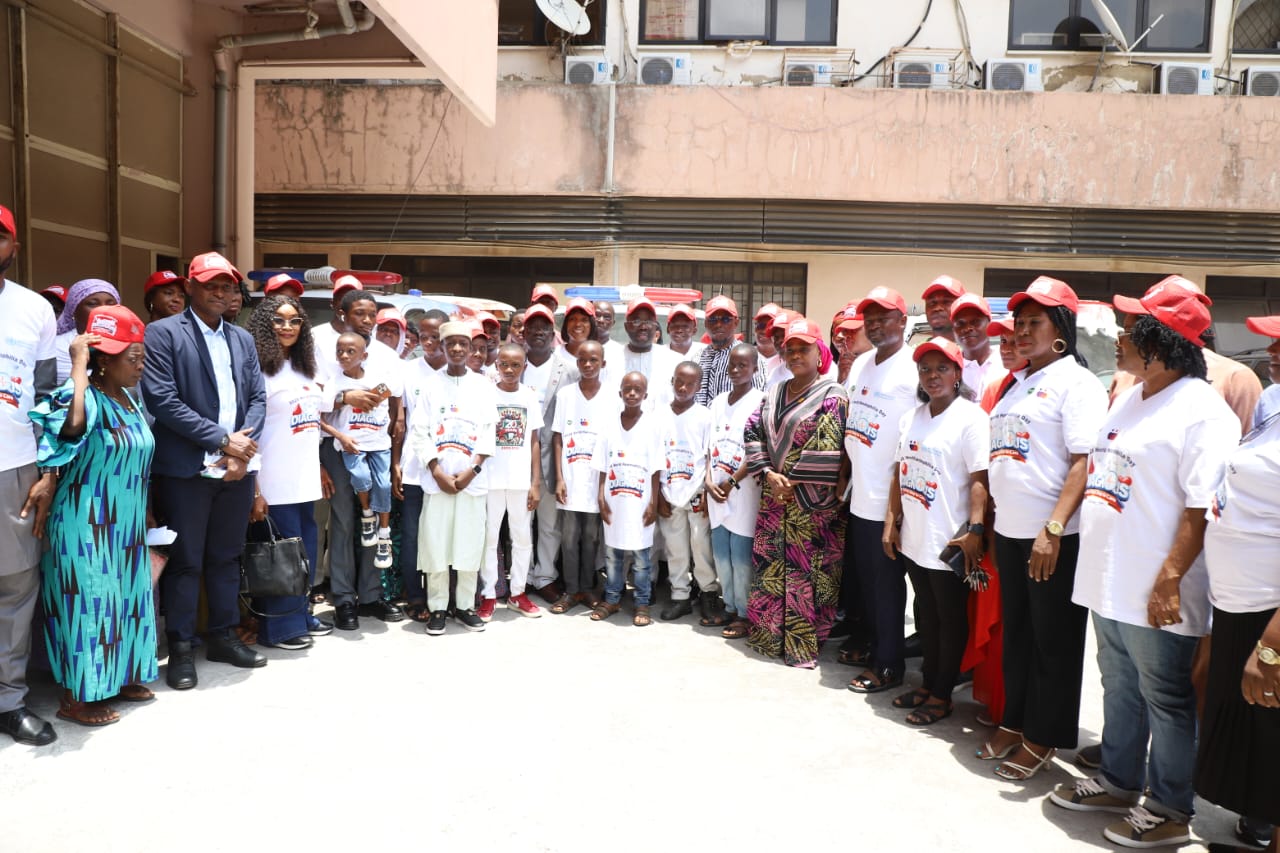
Five ambulances were also launched to support the initiative, particularly in reaching underserved and hard-to-access communities for diagnosis and care.