

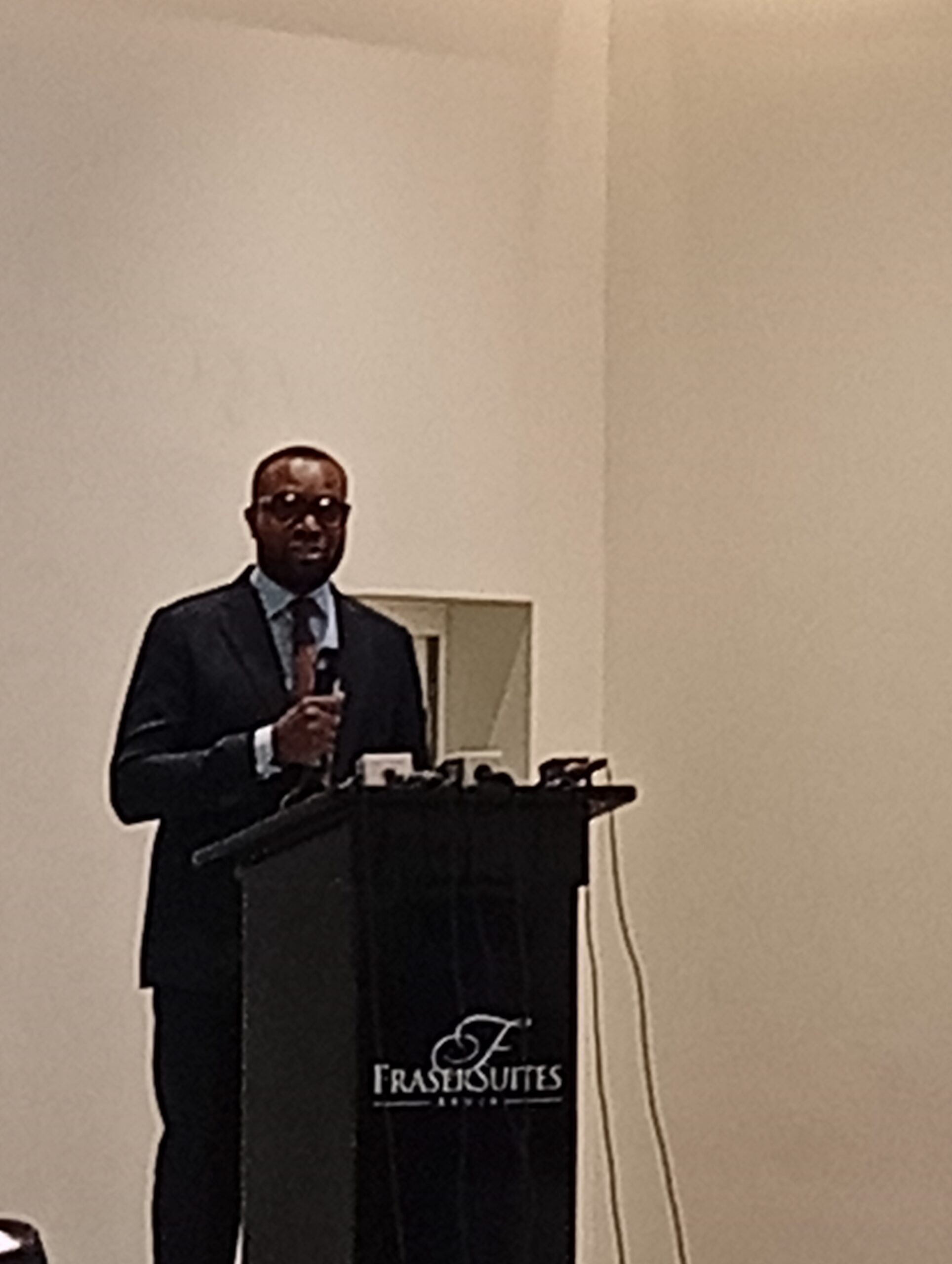
The Federal Government has unveiled plans to establish a Ministerial Advisory Council on Cybersecurity Coordination as part of efforts to strengthen Nigeria’s defence against growing digital threats.
The initiative was announced during an inaugural stakeholder session held in Abuja, bringing together key players from government institutions, security agencies, telecommunications firms, financial institutions, academia, and development partners.
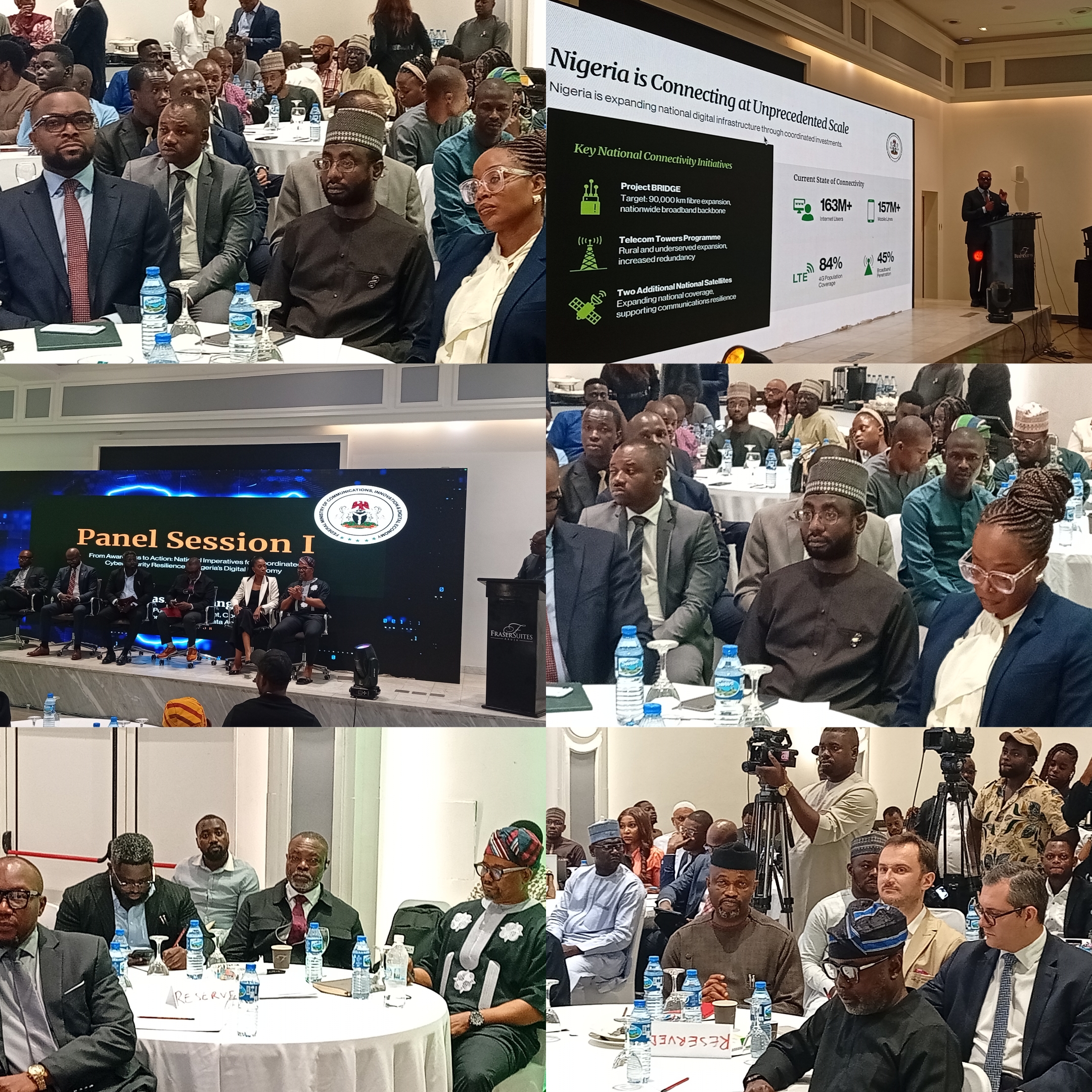
The session marked the beginning of a structured engagement process aimed at creating a multi-stakeholder platform to enhance collaboration, improve intelligence sharing, and ensure a coordinated national response to cybersecurity challenges.
In his welcome address, the Permanent Secretary of the Federal Ministry of Communications, Innovation and Digital Economy, Engr. Nadungu Gagare, described cybersecurity as central to Nigeria’s digital transformation and economic stability.
He stressed that trust remains the backbone of the digital economy, warning that without adequate cybersecurity, national development efforts could be undermined.
“Cybersecurity is no longer an IT issue; it is a national development imperative. It affects our financial systems, critical infrastructure, and the confidence of citizens in the digital space,” he said.
Gagare noted that the proposed council would help bridge gaps created by fragmented efforts, as cyber threats grow more sophisticated and borderless.
Director-General of the National Information Technology Development Agency (NITDA), Kashifu Inuwa Abdullahi, highlighted the growing risks associated with artificial intelligence, noting that threats such as AI-generated malware, deepfakes, and zero-click phishing attacks are becoming harder to detect.
“Cybersecurity in the age of AI is a different challenge. Attacks can be carried out by AI or targeted at AI systems. This makes collaboration more critical than ever,” he said.
He added that Nigeria’s cybersecurity strength depends on collective resilience. “We are only as strong as our weakest link. No organisation can secure itself in isolation.”
In his keynote address, the Minister of Communications, Innovation and Digital Economy, Dr. Bosun Tijani, described the proposed council as a strategic move to safeguard Nigeria’s rapidly expanding digital ecosystem.
He noted that while Nigeria has made progress in connectivity—with over 160 million internet users and widespread 4G coverage—this expansion also increases exposure to cyber risks.
“As we scale connectivity and digital services, we must ensure that security grows alongside it. Our ambition to build a globally competitive digital economy depends on it,” Tijani said.
The minister also highlighted ongoing government investments in digital infrastructure, including plans to deploy about 90,000 kilometres of fibre-optic cables, expand telecommunications coverage, and upgrade satellite systems.
Providing industry perspective, the Executive Director of Digital Exploration and Technical Services at Galaxy Backbone Ltd, Olumbe Akinkugbe, said the organisation would play a critical role in supporting the council through its mandate as the Federal Government’s shared ICT services provider.
He explained that Galaxy Backbone operates a Security Operations Centre responsible for protecting government digital platforms and services used by Ministries, Departments and Agencies (MDAs).
According to him, cybersecurity must go beyond digital systems to include physical protection of critical infrastructure such as data centres. He noted that Galaxy Backbone works closely with security agencies, including the Office of the National Security Adviser and the armed forces, to safeguard these assets.
Akinkugbe also emphasized identity management and personnel integrity as key components of cybersecurity, noting that “the first line of defence is the people.”
On improving cybersecurity nationwide, he pointed to collaboration as the most critical factor, stressing that many institutions currently operate in silos.
“The reality is that there must be collaboration. People must speak to each other. It is the sum of all parts, not just one organisation,” he said.
Stakeholders at the event agreed that the creation of the advisory council would help harmonise policies, strengthen institutional collaboration, and develop a more proactive and resilient cybersecurity framework.
A panel session titled “From Awareness to Action: National Imperatives for Coordinated Cybersecurity Resilience in Nigeria’s Digital Economy” further explored strategies for strengthening national cyber resilience, building local capacity, and embedding security into all digital initiatives.
The Government said additional stakeholder consultations would be held before the formal inauguration of the council.
The move signaled a shift toward a more unified and forward-looking approach to cybersecurity as Nigeria accelerates its digital transformation agenda.


