
The Nigeria Union of Journalists (NUJ) has identified malnutrition, drug abuse and the growing influx of foreigners into Nigeria’s media space as emerging factors contributing to the country’s worsening insecurity.
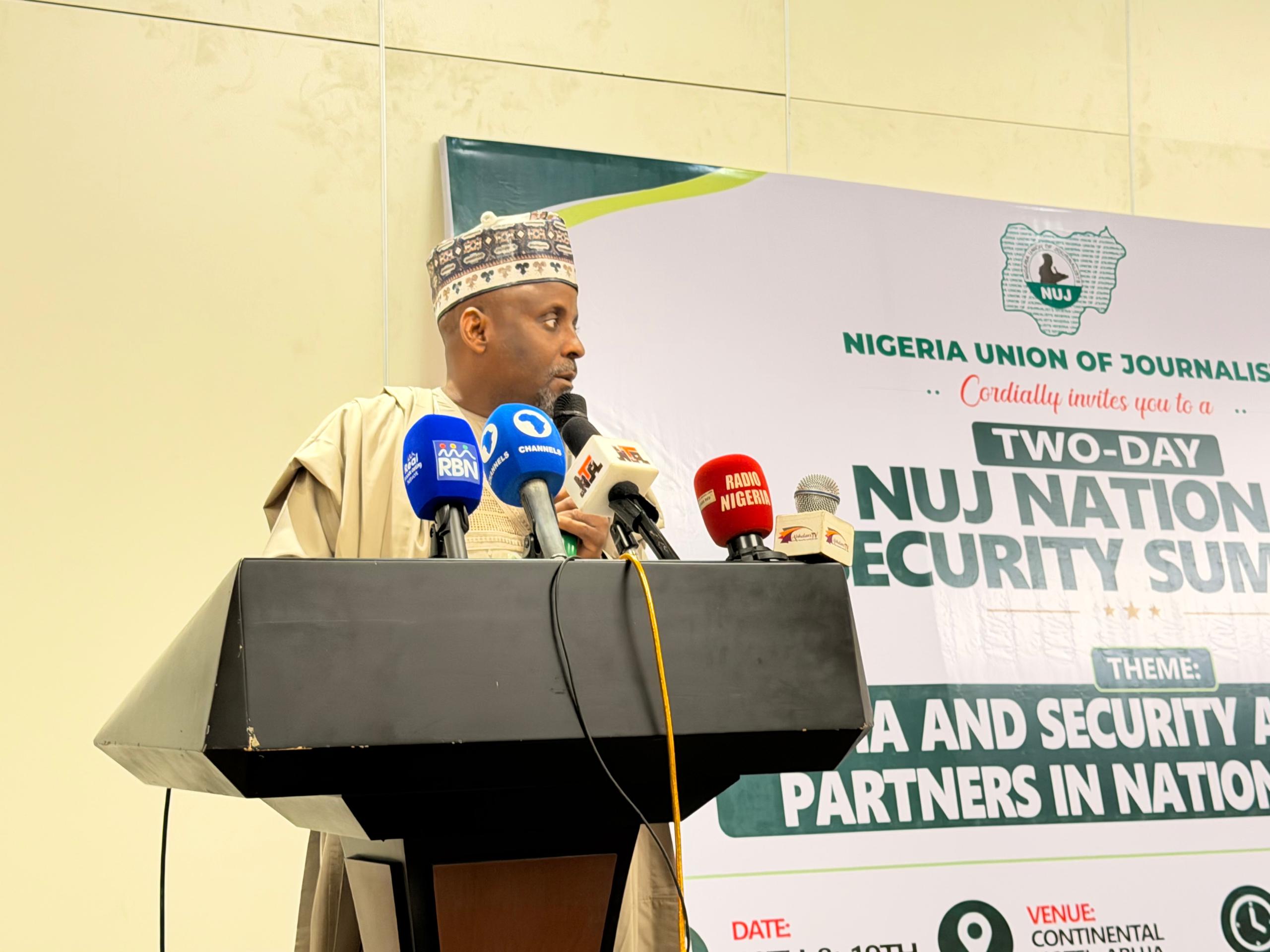
Speaking at the two-day National Security Summit organised by the NUJ in collaboration with the Department of State Services (DSS) in Abuja on Friday, NUJ National President, Comrade Alhassan Yahaya Abdullahi, called for stronger collaboration between journalists and security agencies to address Nigeria’s security challenges.
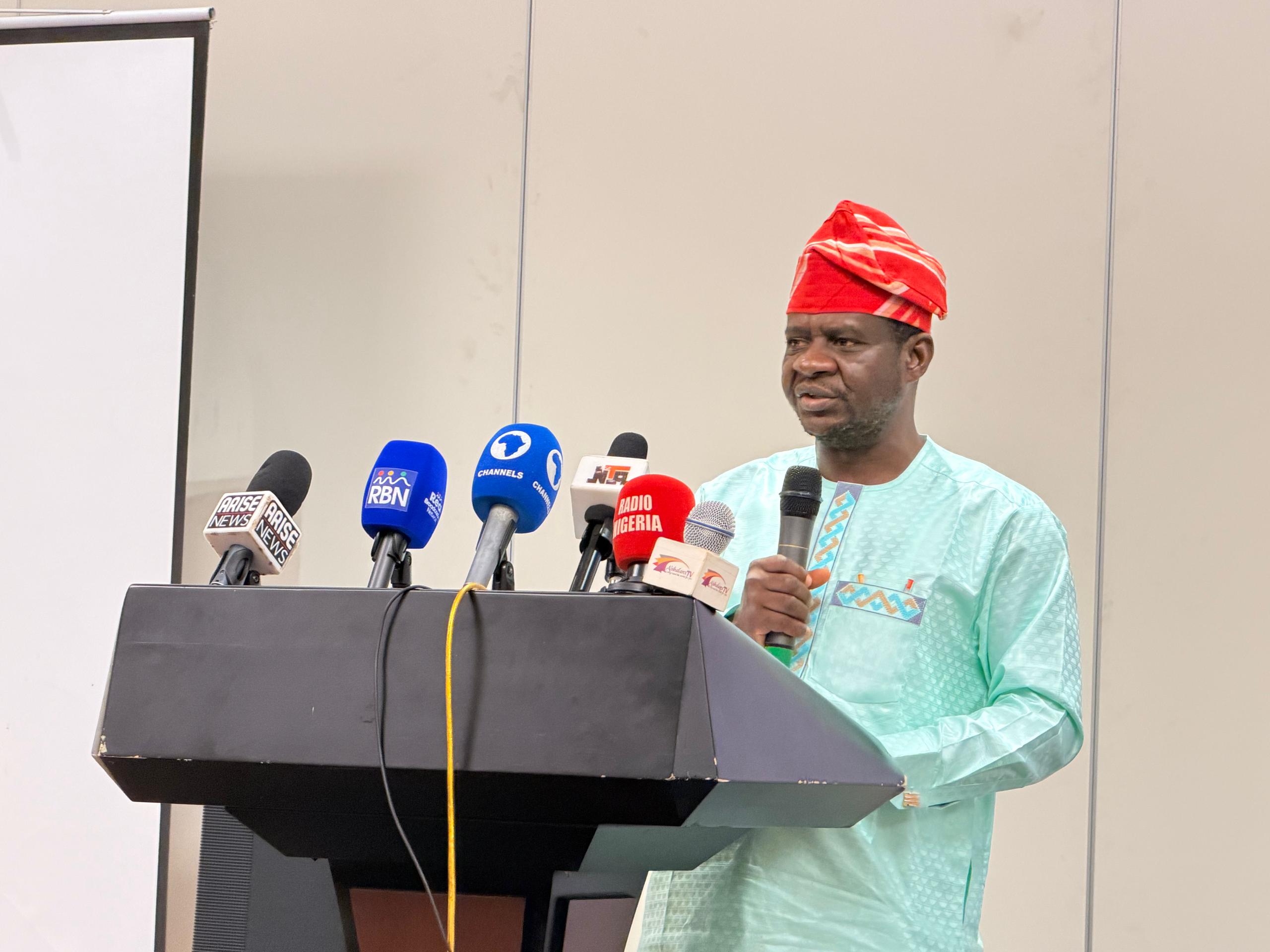
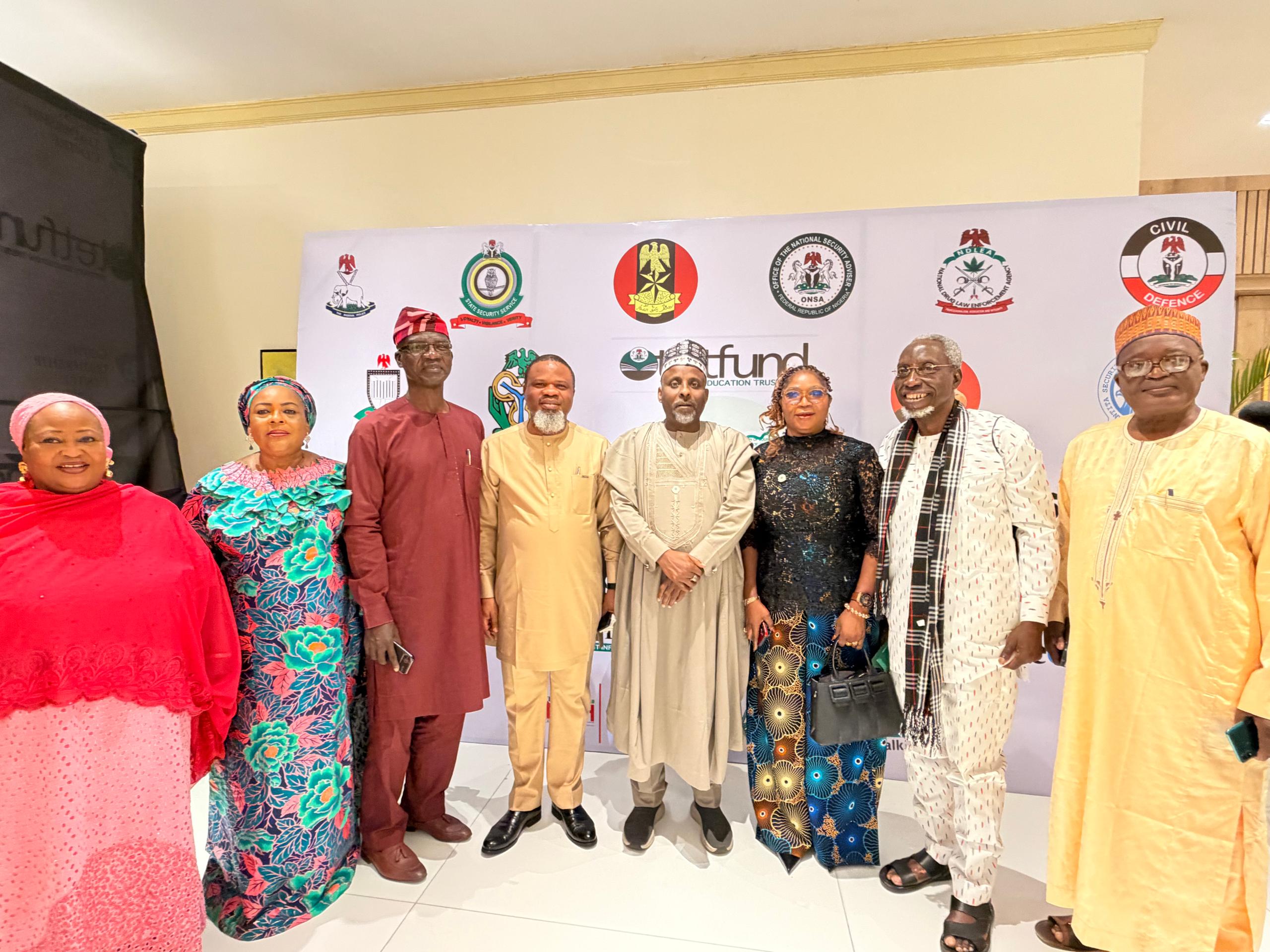
The summit, themed “Media and Security Agencies as Partners in Nation Building,” brought together media professionals, security experts and former military spokespersons to explore ways of strengthening cooperation between the media and security institutions.
Among dignitaries at the event were former NUJ Presidents Chris Isiguzo, Abdulwaheed Odusile and Lanre Ogundipe, as well as former leaders of the Nigeria Association of Women Journalists (NAWOJ) and the current National Chairperson of NAWOJ, Hajiya Aisha Ibrahim Kwaya-Bura.
Abdullahi urged journalists to continue prioritising national security and development issues in their reportage, stressing that the media has a critical role in promoting peace, stability and national cohesion.
He expressed concern over the increasing presence of foreigners in Nigeria’s media landscape, describing the trend as a matter requiring deliberate policy attention and closer scrutiny due to its potential security implications.
The NUJ president also highlighted malnutrition as an often-overlooked contributor to insecurity, warning that its long-term effects on children could undermine the country’s future social and economic stability.
“Many people may wonder why we are talking about malnutrition at a security summit, but malnutrition is a serious problem and Nigeria is among the countries most affected globally. Children who suffer from malnutrition often experience stunted growth and reduced intellectual development, which has implications for the future of society,” he said.
Abdullahi further identified drug abuse as a major security threat, citing presentations at the summit that revealed an alarming rise in addiction among young Nigerians.
“The figures are alarming and worrisome. We heard presentations showing the growing scale of drug abuse in the country. This should be a matter of serious concern for all of us because of its implications for crime and insecurity,” he stated.
He maintained that cooperation between journalists and security agencies was no longer optional, urging both sides to work together to reshape security narratives and strengthen national unity.
In his presentation, President of the International Press Institute (IPI), Musikilu Mojeed, advocated dialogue and institutional remedies as the most effective means of resolving disputes between government agencies and the media.
Mojeed cited instances where disagreements between security agencies and media organisations were resolved through engagement rather than coercion. He referenced a report alleging that the DSS raided the Lagos State House of Assembly, noting that the agency later clarified it had been invited to protect lives and property and subsequently sought corrections from affected media outlets.
According to him, such examples demonstrate that disputes can be resolved without arrests, intimidation or harassment, proving that constructive engagement remains a viable solution.
“The challenge is not to eliminate disagreements but to develop mechanisms that reduce misunderstanding. One way of achieving this is through regular dialogue, not only during periods of crisis when positions have already hardened,” he said.
Mojeed called for the establishment of structured engagement platforms between media organisations and security institutions, while urging government agencies to utilise established complaint channels and judicial processes when addressing concerns arising from media reports.
Also speaking, former Director of Defence Information, Chris Olukolade, underscored the value of dialogue in resolving conflicts between the media and security agencies.
He recalled an incident in which military authorities searched newspaper distribution vehicles following intelligence reports that terrorists could exploit newspaper delivery channels to transport weapons and dangerous materials across the country.
“The intention was never to seize newspapers. The intention was to search the vehicles carrying them because of intelligence received. Naturally, the searches caused delays and generated public concern,” he explained.
Olukolade said the controversy was resolved within a day through consultations and behind-the-scenes engagement between media stakeholders and security authorities, describing the outcome as proof that communication remains the most effective conflict-resolution tool.
Former Director of Naval Information, Kabir Aliyu, urged security agencies to view the media as strategic partners rather than adversaries.
Drawing from military experiences and international examples, he noted that military leaders worldwide have long recognised the media as a critical force multiplier capable of shaping public perception and supporting national objectives.
“The media are not enemies of government or security agencies. They are partners. What is important is for security institutions to communicate with them and explain issues that have national security implications,” he said.
Meanwhile, former NUJ President, Chris Isiguzo, urged journalists to exercise caution when reporting security matters, warning against giving undue publicity to information that could undermine national security.
He stressed that journalists must remain professional and circumspect in their reportage, noting that terrorist groups often exploit information disseminated through the media to advance their activities and objectives.
The summit concluded with renewed calls for stronger collaboration, regular engagement and mutual understanding between the media and security agencies as critical components of national security and nation-building efforts.