
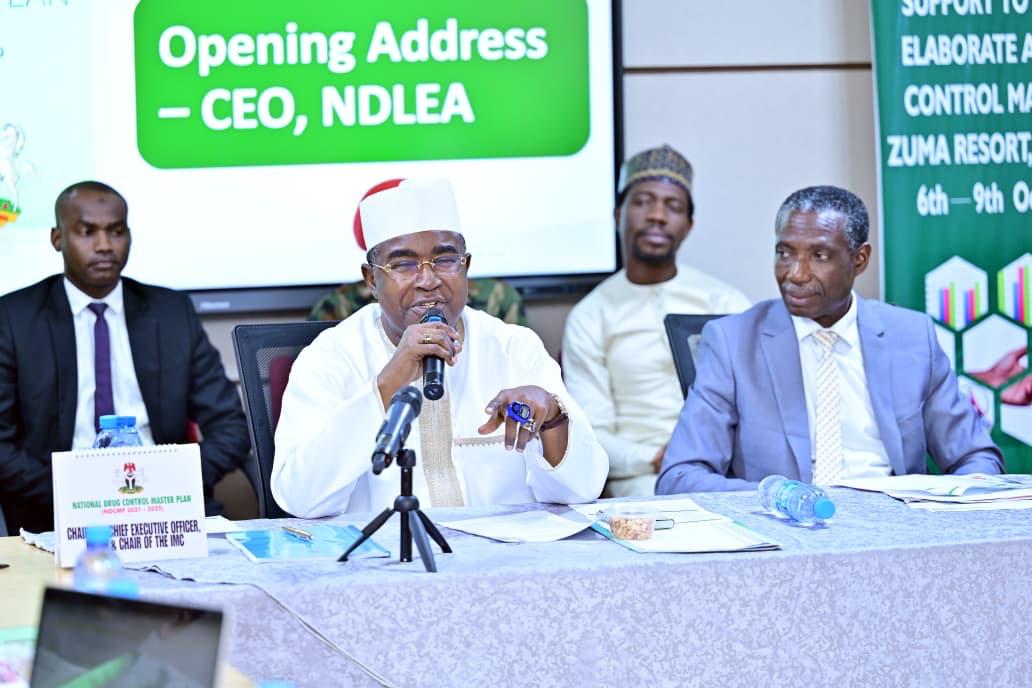
The Chairman and Chief Executive Officer of the National Drug Law Enforcement Agency (NDLEA), Brigadier General Mohamed Buba Marwa (Rtd), has charged all stakeholders involved in developing Nigeria’s next National Drug Control Master Plan (NDCMP 2026–2030) to address new and emerging threats fueling the illicit drug trade in the country.
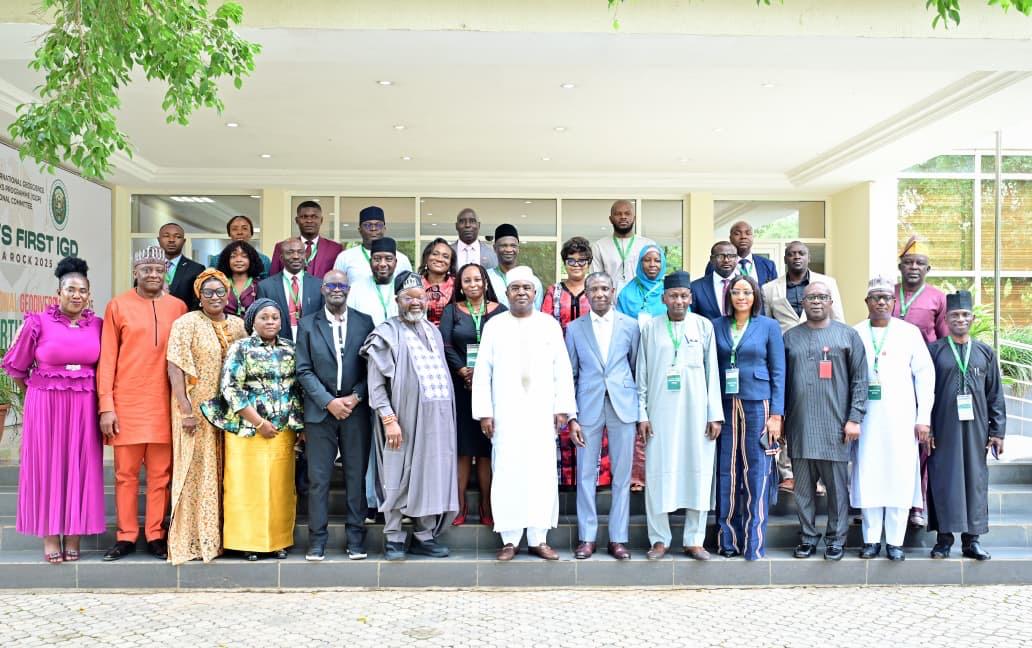
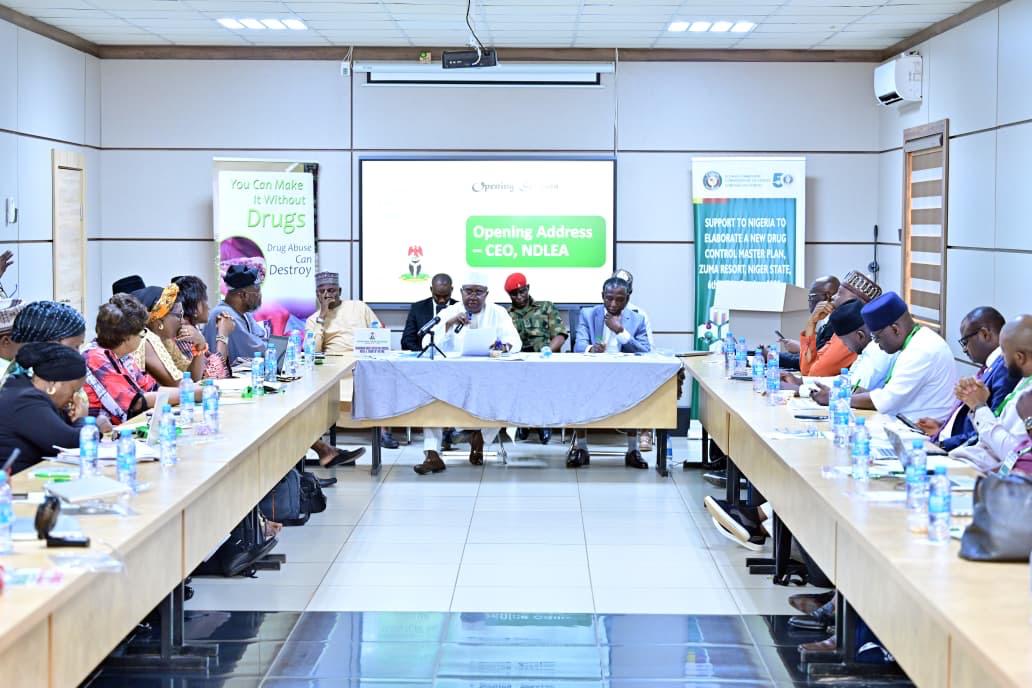
Brig. Gen. Marwa made the remarks on Monday during the official opening of a five-day residential workshop held in Niger State. The workshop, funded by the ECOWAS Commission and supported by the United Nations Office on Drugs and Crime (UNODC), is tasked with shaping the strategic framework that will guide Nigeria’s drug control efforts over the next five years.
“The task before us is both strategic and historic. The drug problem continues to evolve, and so must our response. The NDCMP 2026–2030 must be visionary yet practical; comprehensive yet targeted; and nationally owned yet regionally and globally aligned,” Marwa stated.
He emphasised that the plan must build on past achievements while boldly confronting emerging challenges such as synthetic drugs, dark-web trafficking, poly-substance use, and illicit financial flows that sustain drug networks.
Highlighting the importance of the workshop, he described it as a rare opportunity to evaluate what has worked, identify gaps, and craft innovative solutions for the future. Marwa urged participants to contribute their expertise and dedication, stressing that the outcome should be more than just a document but a shared vision to safeguard Nigeria’s health, security, and wellbeing.
He also reassured stakeholders of NDLEA’s commitment to leadership, coordination, and technical support to ensure the plan’s effective implementation. “We will continue to strengthen collaboration with our partners within Nigeria and across the ECOWAS sub-region, knowing that the drug challenge recognizes no borders,” Marwa added.
The workshop brought together a broad spectrum of stakeholders, including representatives from the Federal Ministries of Education, Health, Agriculture, Budget and Planning, as well as agencies such as NACA, NAFDAC, EFCC, and NFIU.
In his remarks, UNODC Country Representative Cheikh Ousmane, represented by Dr. Akanidomo Ibanga, commended Nigeria’s progress in drug control efforts but underscored the need for adaptive and coordinated responses to evolving global and regional challenges. He highlighted that the Master Plan must align with international standards, including the three international drug control conventions, the 2030 Agenda for Sustainable Development, and the African Union Plan of Action on Drug Control.
Similarly, ECOWAS Commission Commissioner for Human Development and Social Affairs, Professor Fatou Sow Sarr, represented by Dr. Daniel Amankwaah, affirmed ECOWAS’s support for Nigeria’s drug control strategy. She noted that the new NDCMP will address emerging drug threats, trafficking trends, and substance use disorders, and align with regional and international best practices to strengthen both demand and supply reduction mechanisms.
The Commissioner reiterated ECOWAS’s commitment to providing technical and financial assistance to Nigeria as part of broader regional efforts to ensure a robust and evidence-based drug control framework.