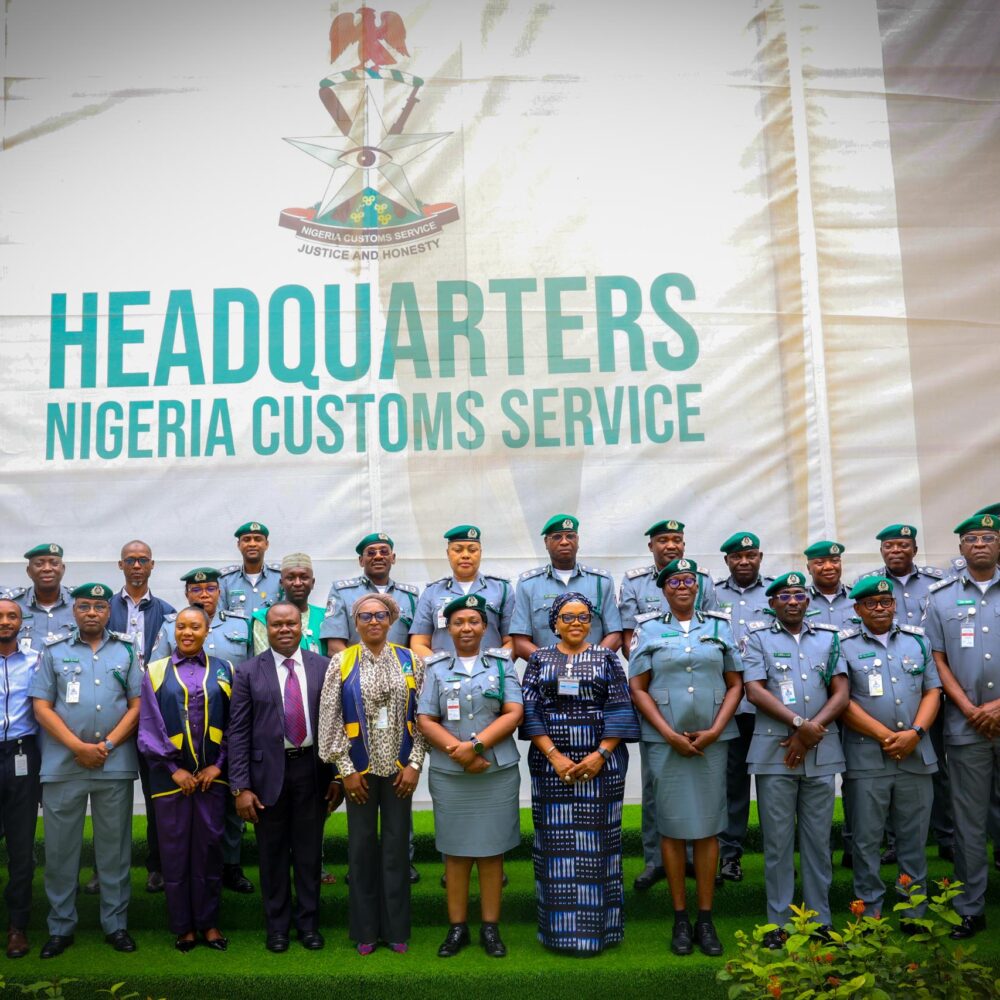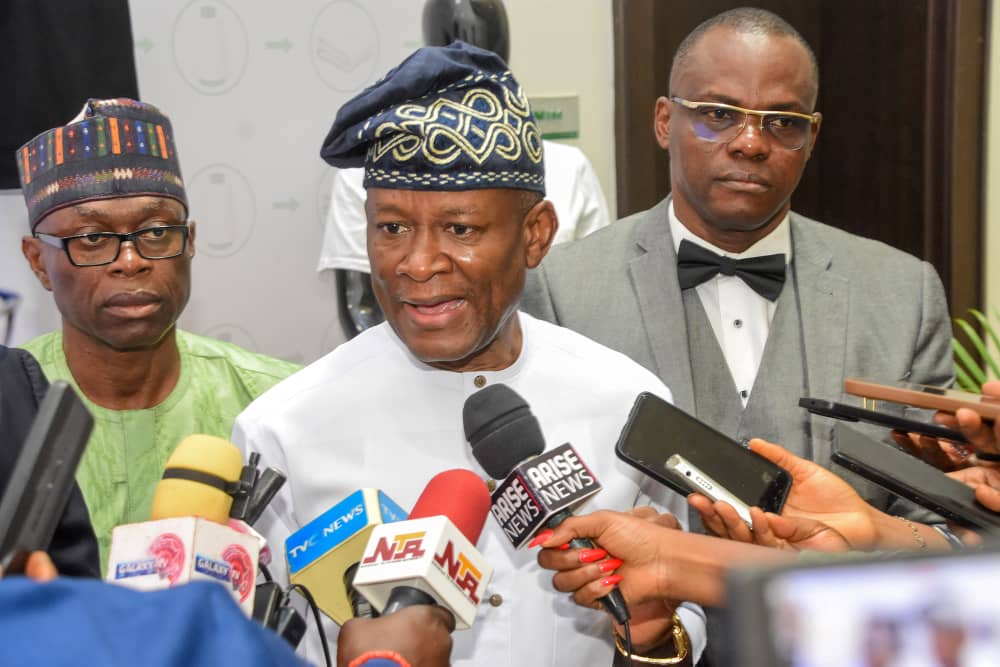

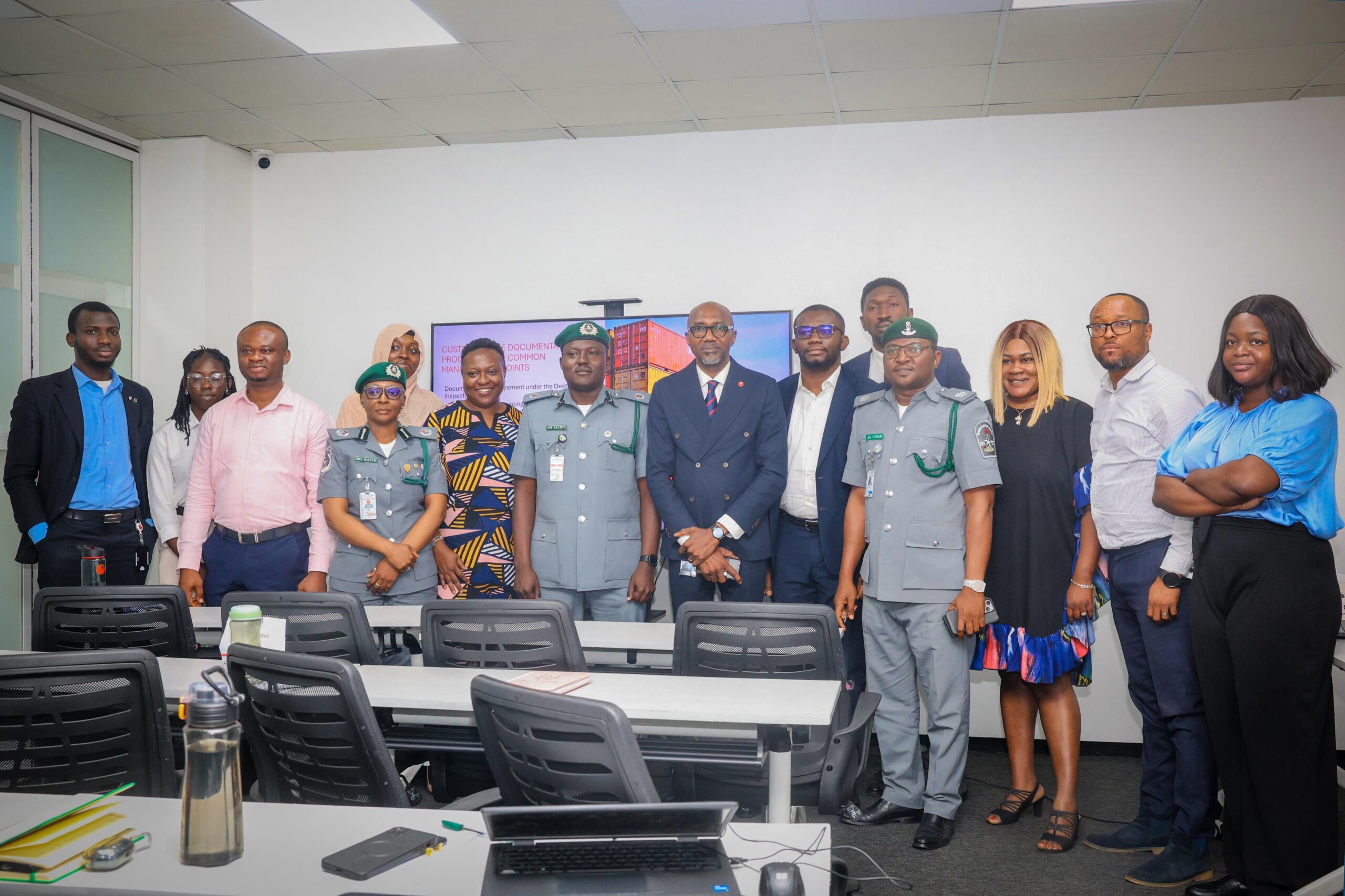
In a continued demonstration of its commitment to safeguarding Nigeria’s economy and national security, the Nigeria Customs Service (NCS) on Tuesday, 30 September 2025, led a sensitisation lecture on emerging threats in cross-border trade, with a sharp focus on trade-based financial crimes.
Held at the Sterling Academy Hub, Sterling Bank Plaza, Abuja, the capacity-building engagement brought together stakeholders from financial institutions, compliance bodies, and regulatory agencies. The session addressed growing threats such as Trade-Based Money Laundering (TBML), Trade-Based Terrorism Financing (TBTF), and Trade-Based Proliferation Financing (TBPF).
Themed “Emerging Threats or Trends of TBML, TBTF, and TBPF,” the sensitisation was spearheaded by Assistant Comptroller Safiyanu Salihu of the NCS, who delivered an in-depth lecture on identifying vulnerabilities, red flags, and the broader economic and security implications of trade-based financial crimes.

“These threats are not theoretical. They impact our national security and economic development directly. The Nigeria Customs Service remains vigilant and proactive in tackling them through inter-agency collaboration and capacity building,” AC Salihu stated.
He highlighted the importance of financial institutions as frontline defenders against illicit trade practices, urging banks to play a more active role in scrutinising trade transactions.
“By diligently reviewing transaction documents, financial institutions can flag irregularities early and prevent illicit flows from slipping through the system,” he added.
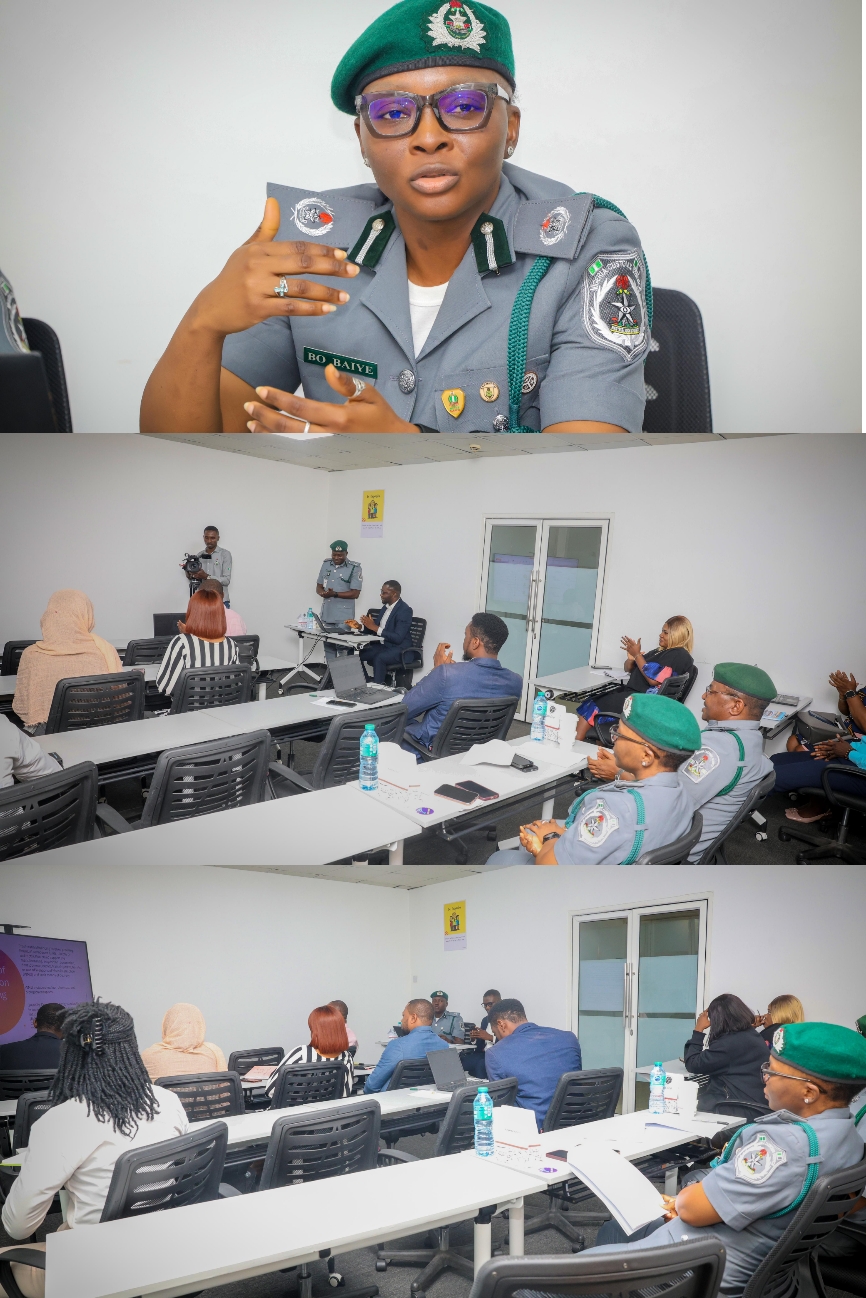
Further enriching the session, Assistant Comptroller Bridget Baiye shared insights into identifying forged trade documents and fake invoices tools often used in facilitating trade-based financial crimes.
“We’ve found that falsified documents often contain subtle but telling discrepancies. Recognising these patterns is key to effective enforcement and prevention,” AC Baiye explained.
The lecture also marked a strong collaboration between the NCS and the financial sector. Representing Sterling Bank, Mr. Orlando Umoren, Group Head of Regulatory and Financial Crimes Compliance, commended the NCS for its leadership and technical expertise.
“The Customs Service continues to set the pace in cross-border trade security. This training underscores the importance of collaboration in fighting financial crimes,” Umoren said.
He also charged participants to apply the knowledge gained to strengthen internal controls and compliance practices within their institutions.
“We must move beyond awareness into implementation. The lessons learned here must translate into stronger compliance frameworks,” he urged.
The event concluded with an interactive session where participants engaged with Customs officers and subject-matter experts on real-world scenarios, enhancing their understanding of how to prevent and detect trade-based illicit activities.
Through initiatives like this, the Nigeria Customs Service continue to assert its role not just as a revenue-generating agency, but as a key player in Nigeria’s national security architecture.