

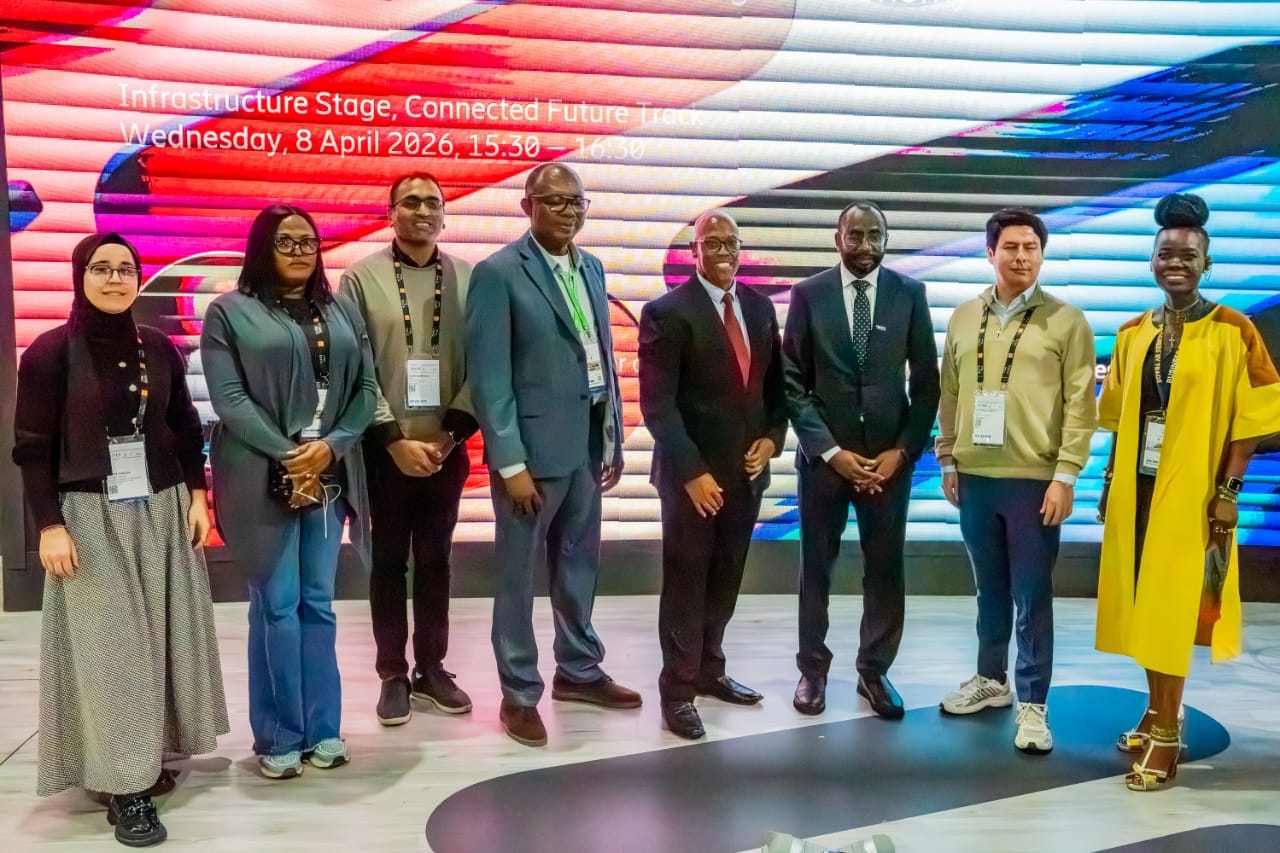
Nigeria is accelerating efforts to reinforce its digital sovereignty by developing a robust national software infrastructure and strengthening regulatory frameworks aimed at safeguarding data and boosting indigenous technological capacity.
The initiative, spearheaded by the National Information Technology Development Agency (NITDA), is designed to promote seamless digital integration while ensuring that critical national systems remain firmly under domestic control.
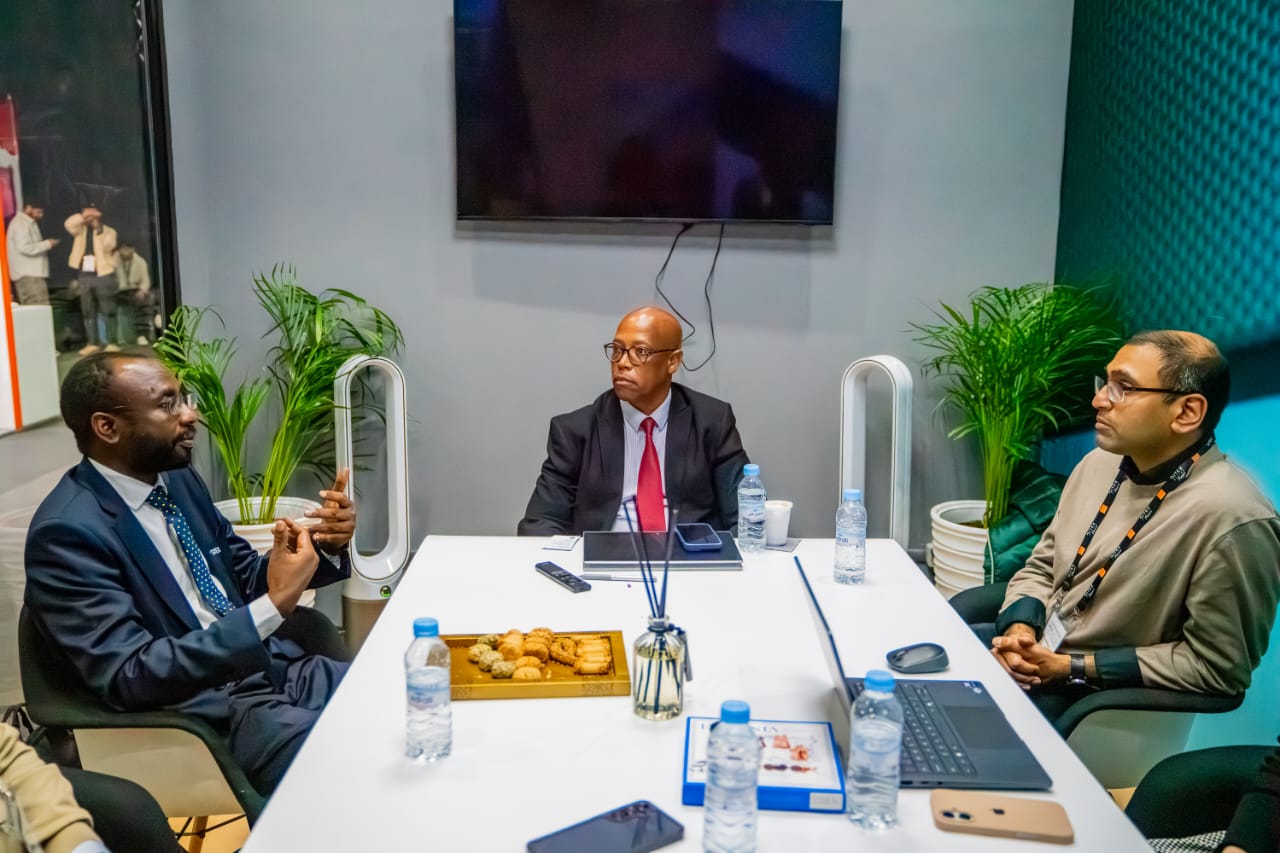
Speaking during a high-level engagement with Ericsson at the GITEX Africa, NITDA Director-General Kashifu Inuwa Abdullahi emphasized that Nigeria’s strategy is anchored on long-term technological independence rather than global geopolitical alignments.
According to him, the country is focused on building high-standard regulatory policies that will support digital software integration and position Nigeria to shape its own digital future.
He clarified that the government is not adopting a restrictive stance toward foreign technology companies, but is instead encouraging partnerships that deliver measurable value within Nigeria.
“We are not excluding global players. We want them to collaborate with local partners, create value in Africa, and ensure that value is retained here,” he said.
Inuwa also pointed to international benchmarks such as the Digital Markets Act, Digital Services Act, and Data Governance Act, noting that Nigeria’s approach aligns with a broader global shift toward structured digital governance and sovereignty.
He added that Nigeria already recognizes digital infrastructure as critical national infrastructure through existing executive orders, though achieving full sovereignty will require sustained effort over time.
A major priority, he noted, is ensuring that data generated within Nigeria is protected while building local expertise and retaining digital intelligence within the country.
“We want to move from being just consumers of technology to active creators of value,” he said.
Highlighting lessons from past industrial revolutions, Inuwa stressed the need for Africa to avoid historical patterns where it contributed resources without benefiting from value-added industries.
“This is an opportunity to build our own digital capabilities and participate meaningfully in the global digital economy,” he added.
On the industry side, Ericsson reaffirmed its long-standing presence in Nigeria, spanning over five decades of supporting the country’s telecom evolution from 2G to 5G.
Its Director for Government and Policy Advocacy in Africa, Amos Haddebe, disclosed that the company continues to work closely with MTN Group and other stakeholders to advance Nigeria’s digital transformation.
He outlined four key pillars of a Memorandum of Understanding signed with the Nigerian government in October 2024: a joint innovation hub, a national hackathon, digital skills development initiatives, and the exchange of best practices.
Haddebe further revealed that the national hackathon, launched under the supervision of the Vice President, is already in progress and will feed into broader innovation programmes.
He also raised concerns about increasing competition in Africa’s telecom sector, urging governments to treat ICT infrastructure as a national security priority and to adopt a diversified vendor ecosystem to ensure resilience.
The engagement highlighted Nigeria’s growing focus on building a secure, inclusive, and competitive digital economy driven by local innovation and strategic global partnerships.