
The Federal Government has announced that Nigeria has surpassed the World Health Organization (WHO) food safety target for low- and middle-income countries, with its 2025 State Party Annual Report (SPAR) score attaining Level 3.
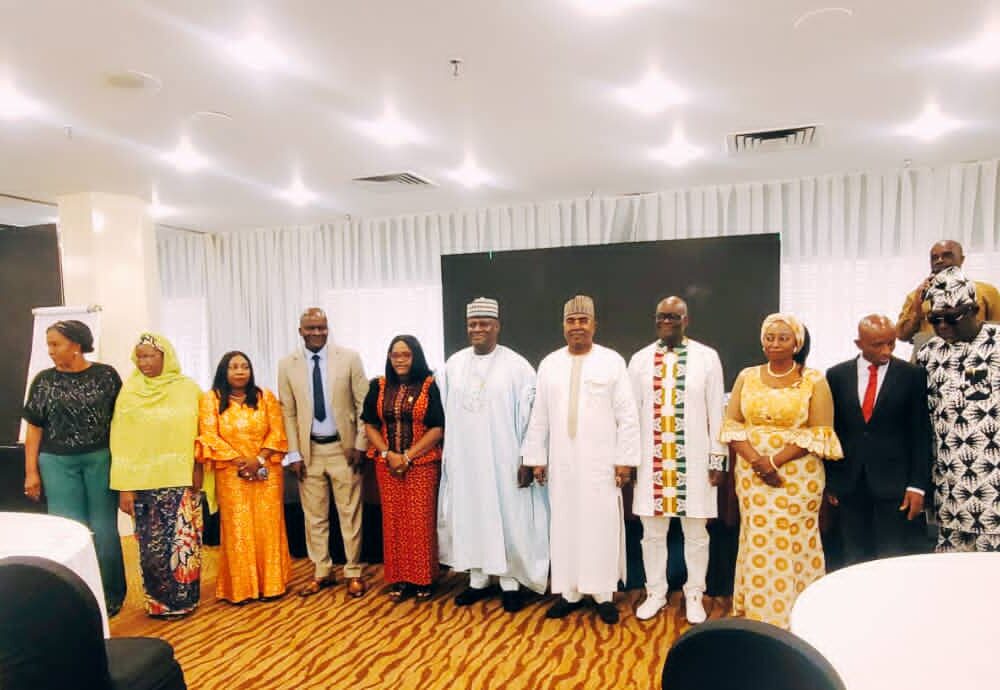
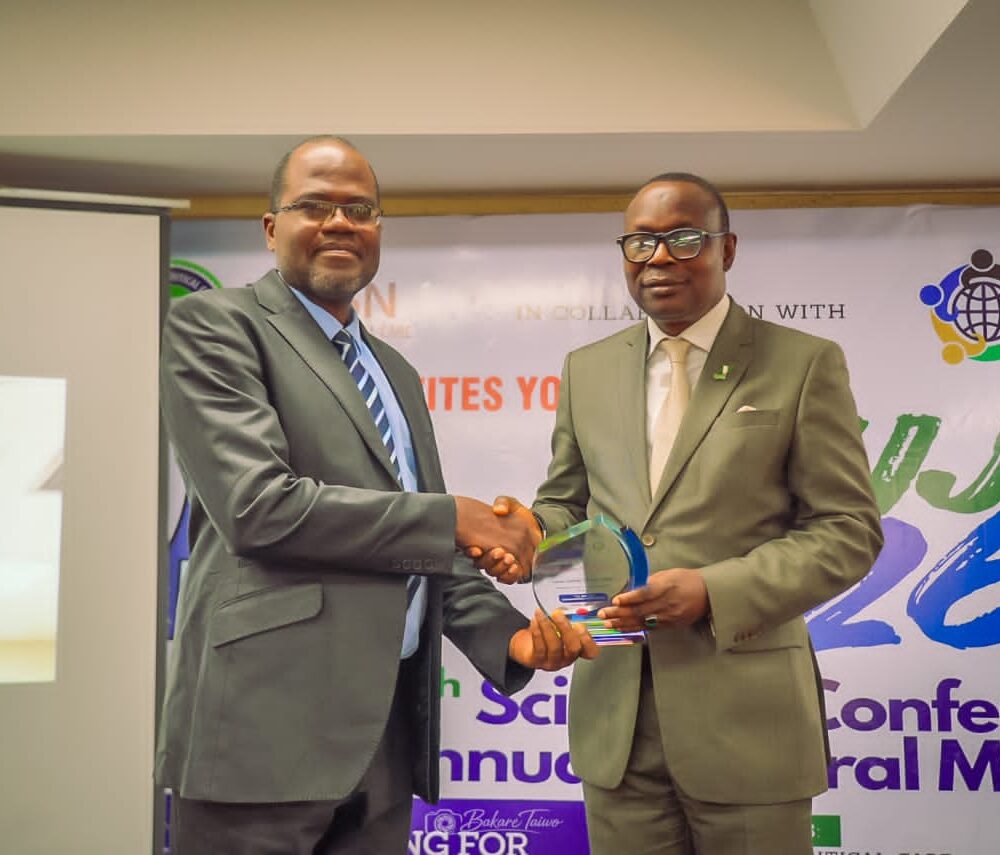
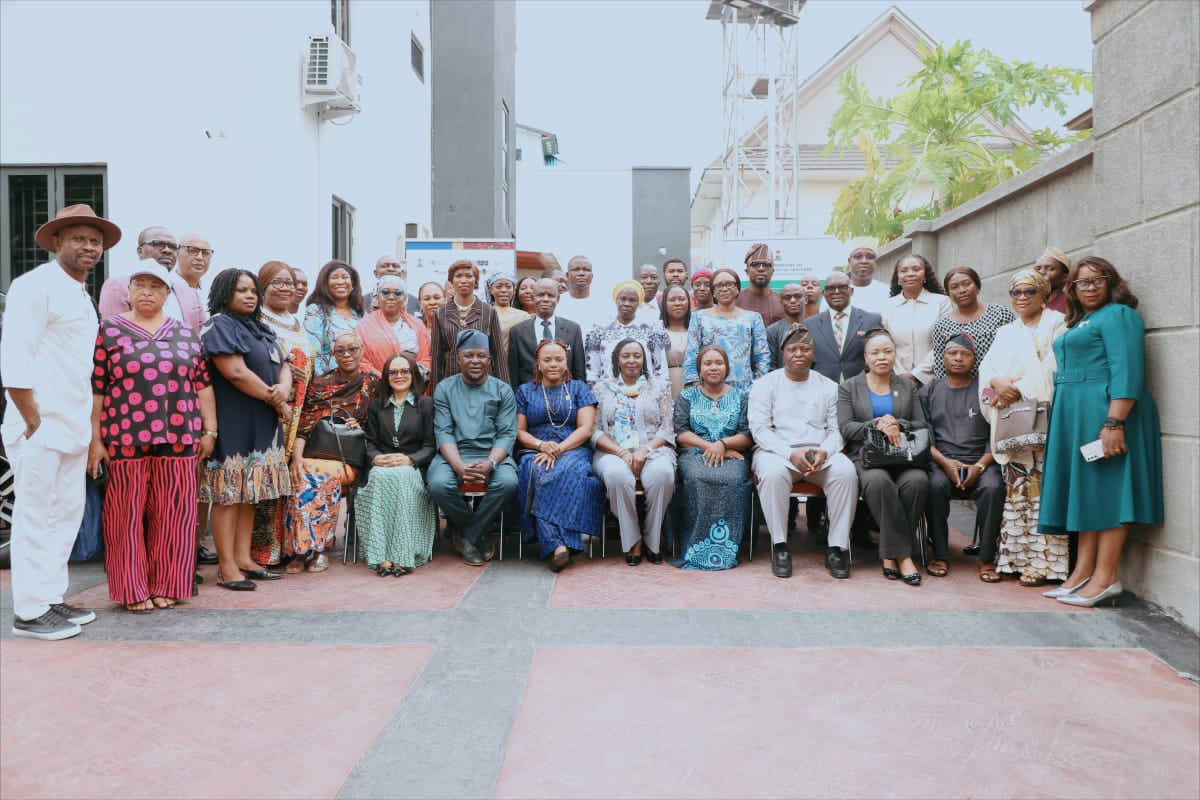
The Honourable Minister of State for Health and Social Welfare, Iziaq Adekunle Salako, disclosed this during the commemoration of the 2026 World Food Safety Day in Abuja, themed “From Burden to Solutions – Safe Food Everywhere.”
According to the minister, the achievement places Nigeria among the leading countries in Sub-Saharan Africa with functional systems for detecting, reporting and responding to foodborne disease outbreaks.
Dr. Salako attributed the progress to strengthened collaboration among stakeholders through the National Food Safety Management Committee and the implementation of the 2023 National Integrated Guidelines for Foodborne Disease Surveillance and Response.
He explained that the guidelines have provided the country with a unified framework for disease surveillance, laboratory confirmation, outbreak investigation, food recalls, risk communication and response coordination.
The minister stressed that food safety remains a critical national development issue with direct implications for public health, productivity and economic growth.
While highlighting the scale of the challenge, Salako revealed that updated global estimates indicate that unsafe food causes about 866 million illnesses and 1.5 million deaths annually worldwide, with Africa carrying the highest per-capita burden.
He noted that Nigeria records nearly 50 million cases of foodborne illnesses annually, resulting in more than 53,000 deaths, while children under the age of five account for over 80 per cent of the disease burden.
According to him, more than 40 million diarrhoeal illnesses in the country are linked to foodborne pathogens such as Salmonella, E. coli, Campylobacter, Shigella and Rotavirus.
“These infections remain major causes of hospitalisation, malnutrition and mortality among our youngest citizens,” he said, adding that chemical hazards, particularly lead contamination in grains, spices and water sources, are also emerging as significant public health concerns.
The minister called for intensified surveillance of heavy metals and chemical contaminants, improved food safety practices in traditional and informal markets, better hygiene and sanitation infrastructure, stronger laboratory capacity and enhanced compliance with national food safety standards.
He also urged the media to play a more active role in promoting food safety awareness across the country.
In her remarks, the Permanent Secretary of the Federal Ministry of Health and Social Welfare, Daju Kachollom, said the theme of this year’s celebration reflects the need to address the growing connection between foodborne diseases and unhealthy diets.
She advocated an integrated approach that combines food safety measures with broader public health and nutrition strategies.
Kachollom commended professionals, institutions and stakeholders participating in the event for their commitment to building a stronger and more resilient food system that guarantees safe food for all Nigerians.
Goodwill messages were delivered by representatives of the Federal Ministries of Environment, Agriculture and Food Security, and Marine and Blue Economy, as well as the Standards Organisation of Nigeria, National Agency for Food and Drug Administration and Control, World Health Organization, Resolve to Save Lives and the Association of Food, Beverages and Tobacco Employers.
The stakeholders emphasized that food safety is a shared responsibility requiring coordinated action across sectors and adherence to hygiene standards throughout the food value chain.
Representing the Minister of Environment, Balarabe Abbas Lawal said environmental factors such as poor sanitation, unsafe water, pollution, climate change, inadequate waste management and unsafe agricultural practices continue to contribute significantly to foodborne diseases in Nigeria.
Also speaking, the Director-General of the Standards Organisation of Nigeria, Ifeanyi Chukwunonso Okeke, represented by Mrs. Eva Edward, reaffirmed the agency’s commitment to developing standards that promote food safety, quality assurance and consumer protection.
Meanwhile, the WHO Country Office described safe food as a fundamental human right and a cornerstone of public health, nutrition and economic productivity, noting that most foodborne diseases are preventable through effective interventions and stronger food safety systems.
The global health body commended Nigeria’s efforts to strengthen food safety through policies, regulatory reforms and strategic partnerships.