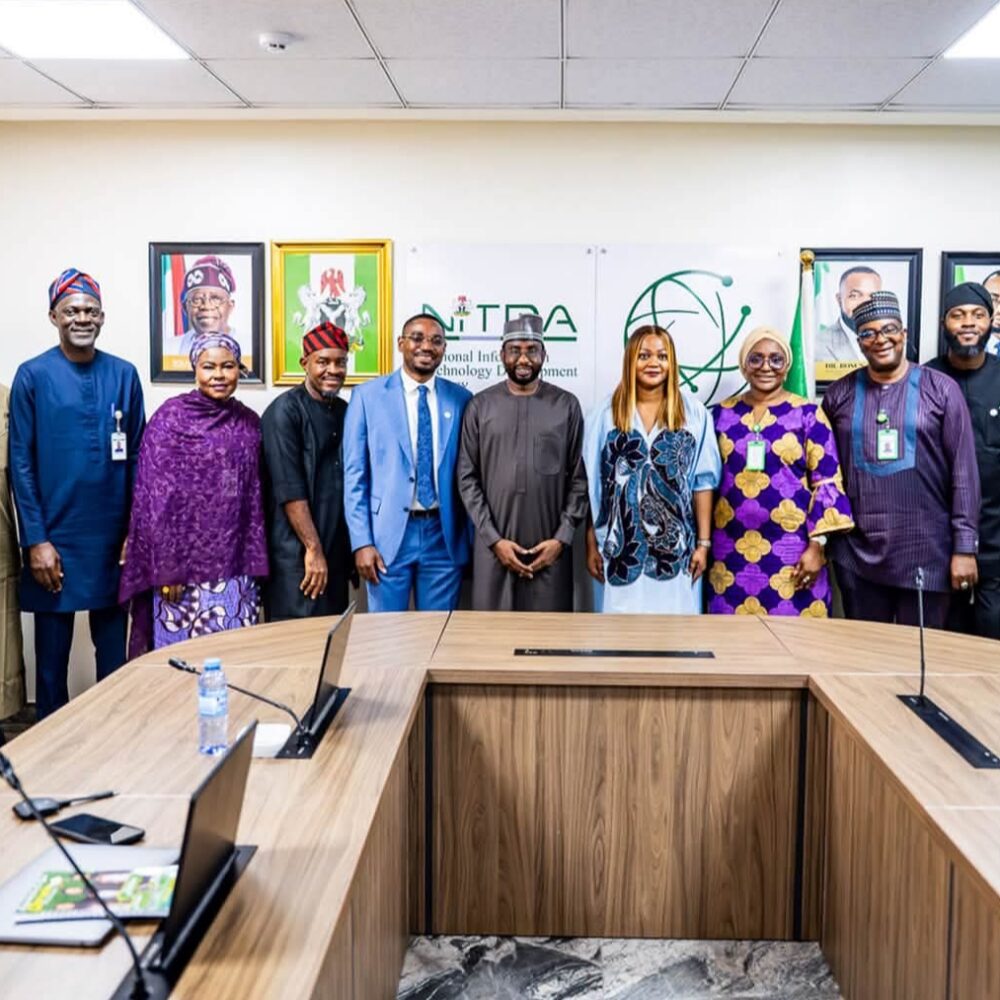

The National Information Technology Development Agency (NITDA) has called for urgent strengthening of consumer protection frameworks in Nigeria’s fast-evolving digital economy, warning that artificial intelligence (AI) and digital public infrastructure are increasingly influencing behaviour, opinions, and access to essential rights.
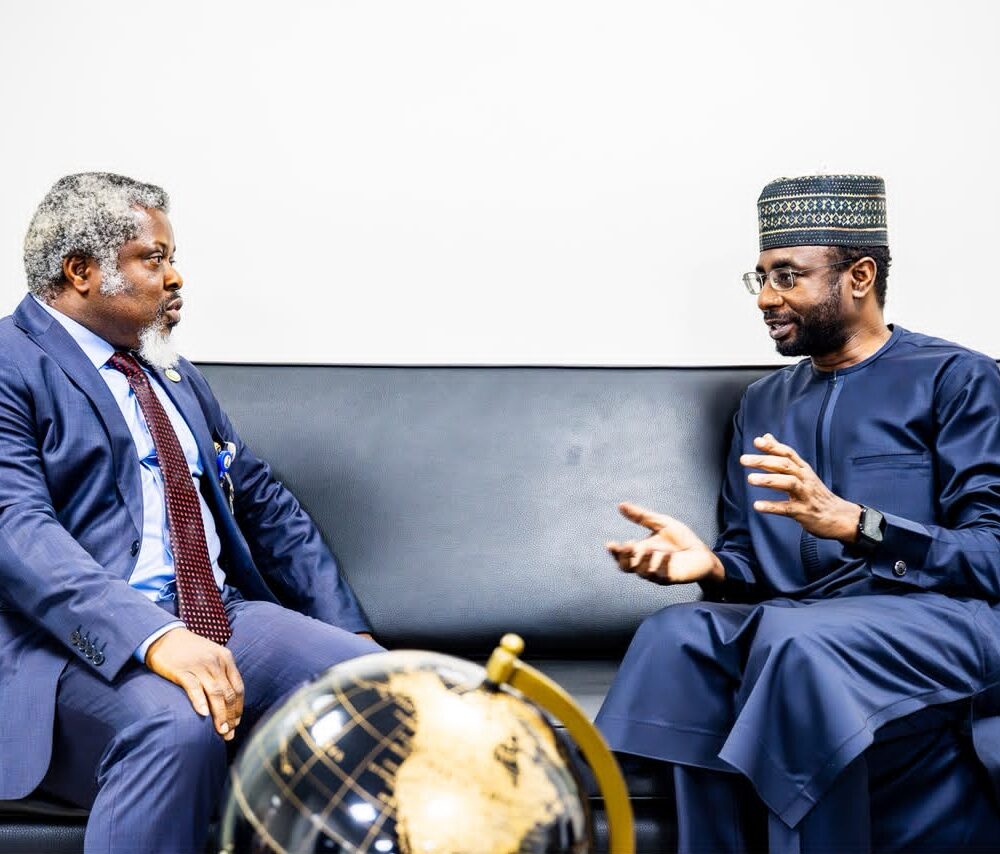
Speaking at NITDA’s Consumer Protection Forum in Abuja, the Director-General, Kashifu Inuwa Abdullahi , who was represented by the Acting Director of Regulation and Compliance, Barrister Emmanuel Edet, stressed that technology has become deeply embedded in everyday life, from banking and credit scoring to data collection and personalised content delivery.
He noted that AI systems now play a significant role in shaping what users see online, how long they engage with content, and, in some cases, how they form opinions.
“Whether you like it or not, technology has permeated everything we do. AI determines what you see, how long you see it, and ultimately how you think. Control is shifting from the consumer to the service provider,” he said.
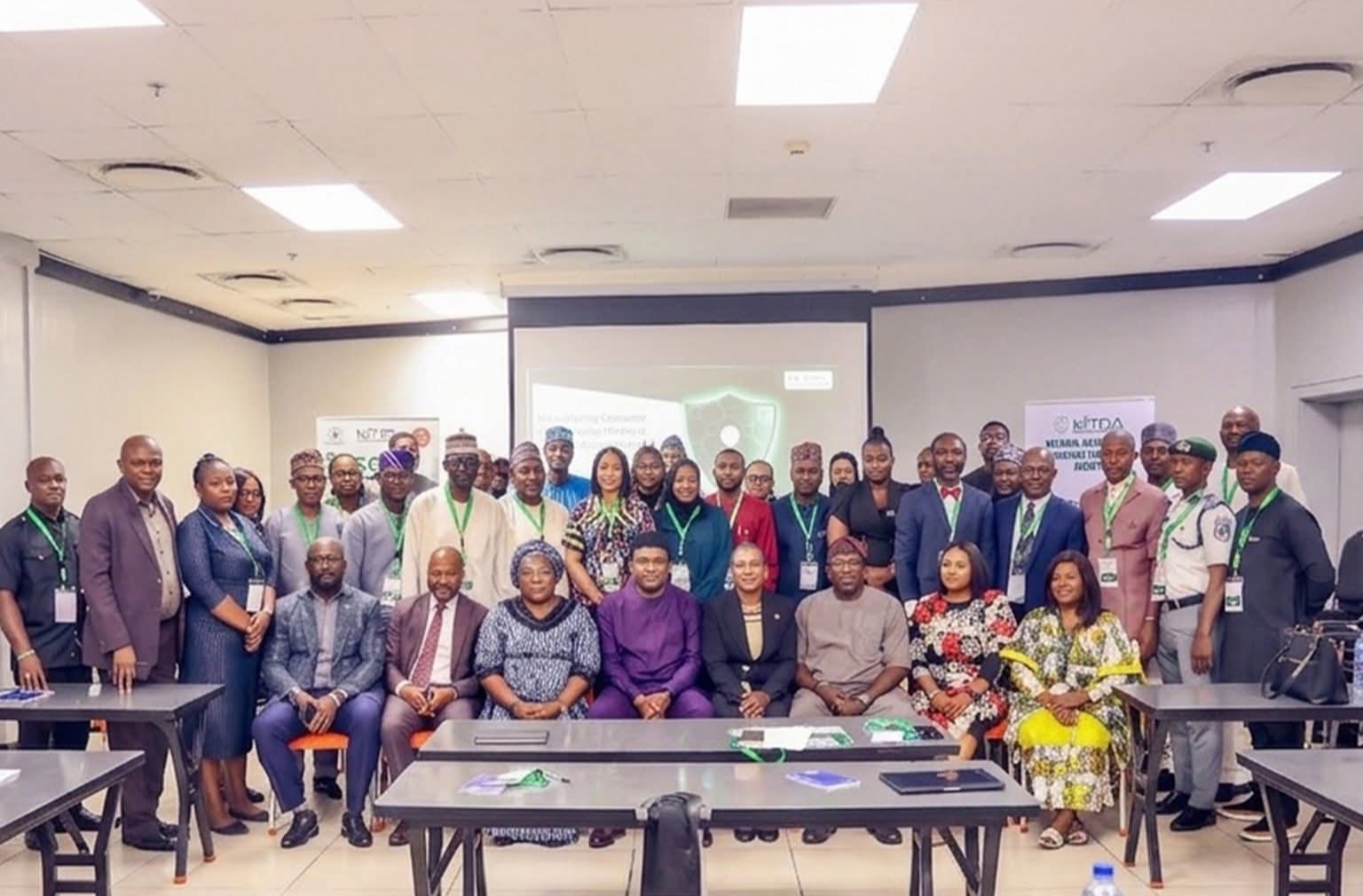
The forum, themed “Strengthening Consumer Trust and Accountability in Nigeria’s Digital Economy: Leveraging AI and Digital Public Infrastructure,” examined the need for stronger safeguards as personal data is increasingly collected, stored, and sometimes transferred across borders without explicit user consent.
Barrister Edet raised concerns over situations where Nigerians’ financial and payment data, processed by global technology firms, may fall under foreign legal jurisdictions, underscoring the need for data sovereignty and clearer regulatory oversight.
He emphasized that effective regulation must ensure transparency, protect consumer autonomy, and establish clear guardrails for emerging technologies such as AI.
NITDA also called for stronger collaboration among government, industry stakeholders, and citizens, noting that inclusive engagement is essential to building trust and ensuring a fair, secure, and accountable digital economy in Nigeria.