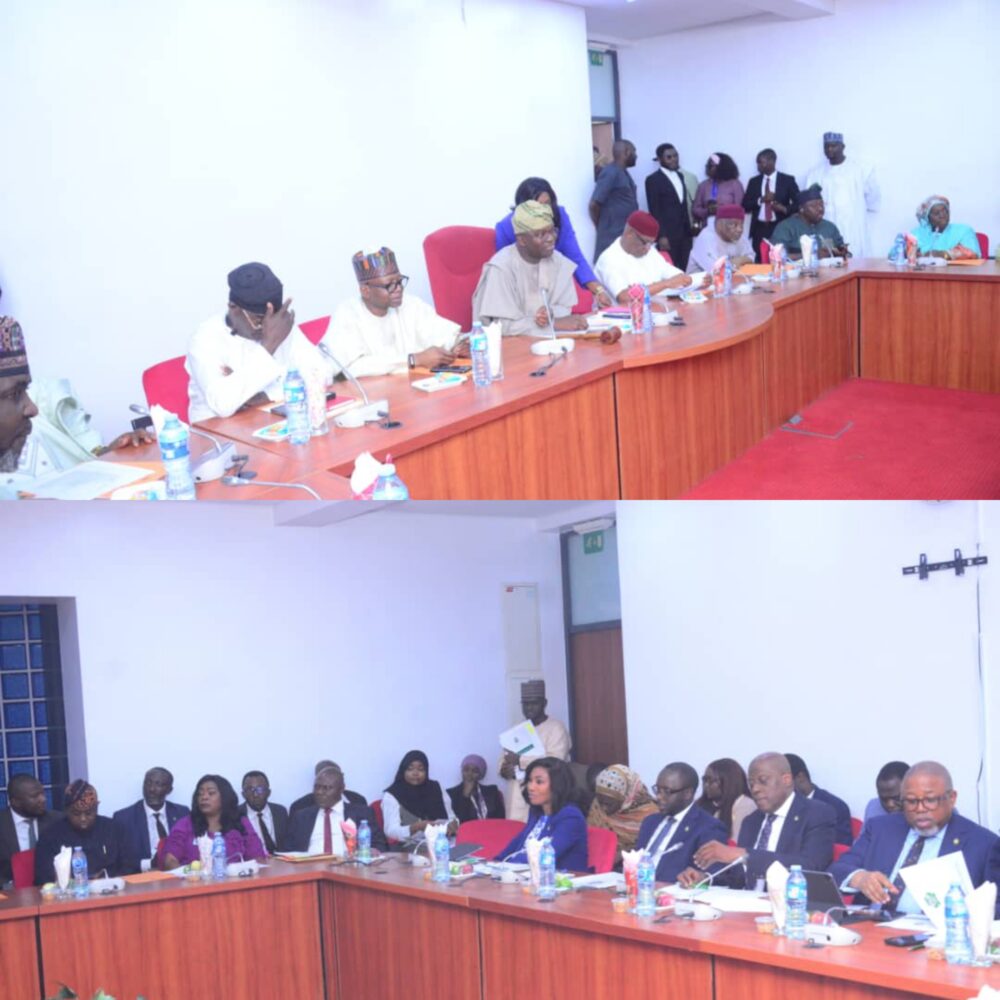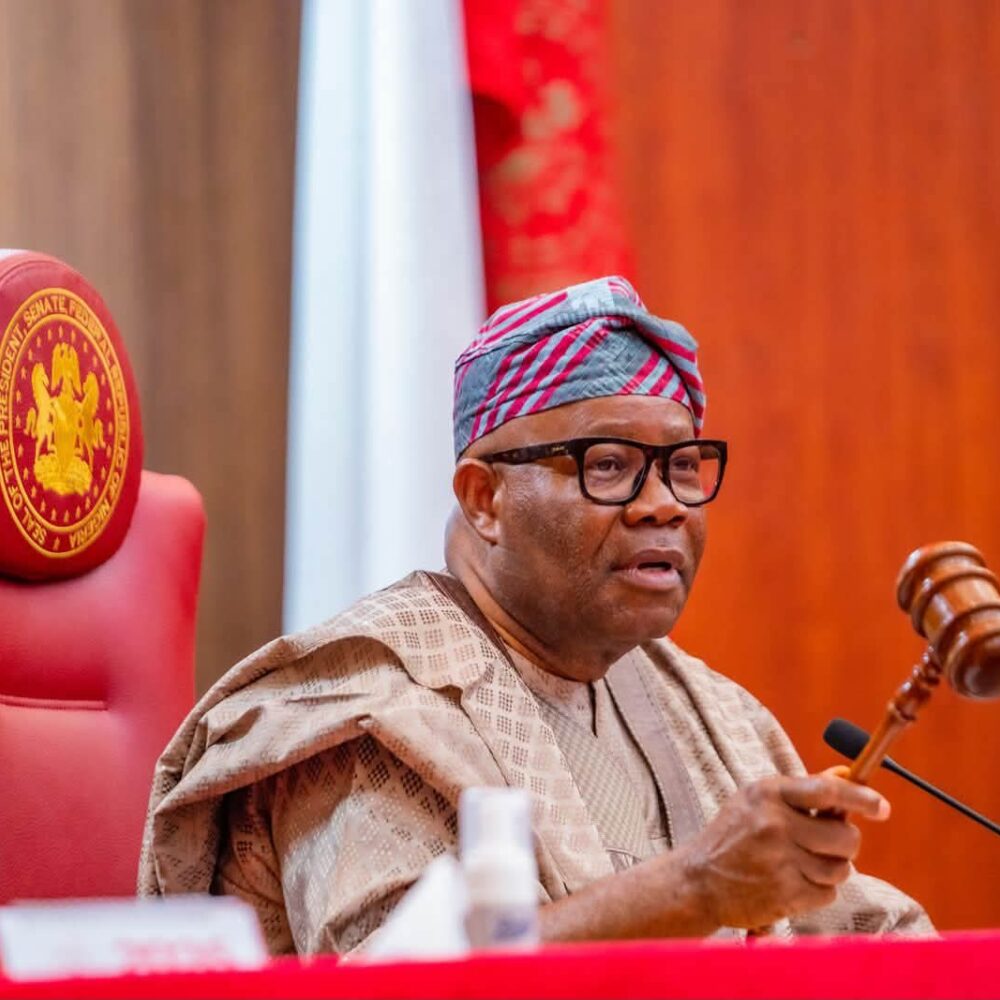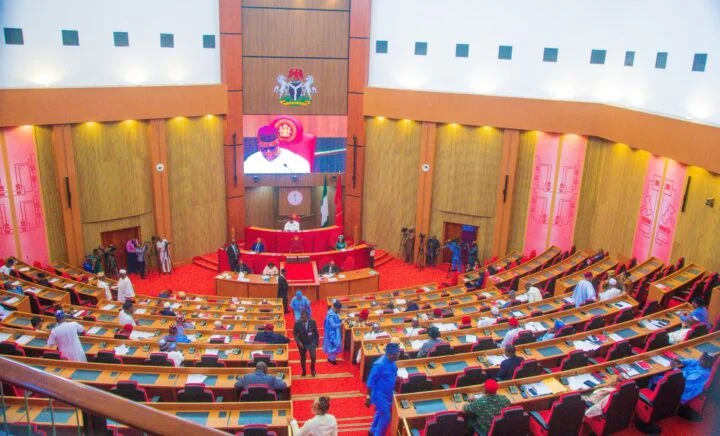
The Senate has passed for second reading a bill aimed at strengthening transparency, accountability and coordination in the management of foreign aid, grants, donations, humanitarian support and concessional financing in Nigeria.
The proposed legislation, titled “A Bill for an Act to Provide for the Coordination, Transparency, Accountability, Registration, Disclosure and Effective Management of Foreign Assistance, Grants, Donations, Humanitarian Support and Concessional Financing in the Federal Republic of Nigeria and for Related Matters, 2026 (SB. 1034),” is sponsored by Senator Ibrahim Hassan Dankwambo (PDP, Gombe North).
Leading the debate on the bill, Senator Dankwambo said Nigeria remains one of the major recipients of foreign assistance from bilateral and multilateral development partners, but noted that the existing system for managing such support is fragmented, poorly coordinated and lacks sufficient transparency.
He explained that donor-funded projects are often implemented across Ministries, Departments and Agencies (MDAs) without adequate coordination, with some projects existing outside the national budget framework, duplicated or misaligned with national development priorities, thereby reducing efficiency and undermining public confidence.
According to the lawmaker, the bill seeks to establish a comprehensive legal framework for the coordinated management of foreign assistance by making the registration of all foreign aid mandatory and creating a national database to monitor donor-funded interventions nationwide.
The proposed legislation also seeks to establish a National Donor Coordination Framework anchored on existing government institutions, ensure public disclosure of foreign assistance, integrate donor-funded projects into national development plans and budgets, and prescribe sanctions against the diversion, misuse or non-registration of foreign aid.
Senator Dankwambo said the bill derives its constitutional backing from Sections 80 to 85 of the 1999 Constitution (as amended), which empower the National Assembly to exercise oversight over public funds and mandate the Auditor-General to audit public accounts. He added that it complements the Fiscal Responsibility Act, 2007, by ensuring foreign assistance is properly integrated into Nigeria’s fiscal planning and development priorities.
Following its second reading, the Senate referred the bill to the Committees on National Planning and Economic Affairs, Finance, and Foreign Affairs for further legislative scrutiny, directing the committees to report back within six weeks.
If eventually passed into law, the bill is expected to strengthen fiscal discipline, eliminate duplication of donor-funded projects, improve development outcomes, reinforce legislative oversight, and enhance transparency and accountability in the management of foreign development assistance across Nigeria.