
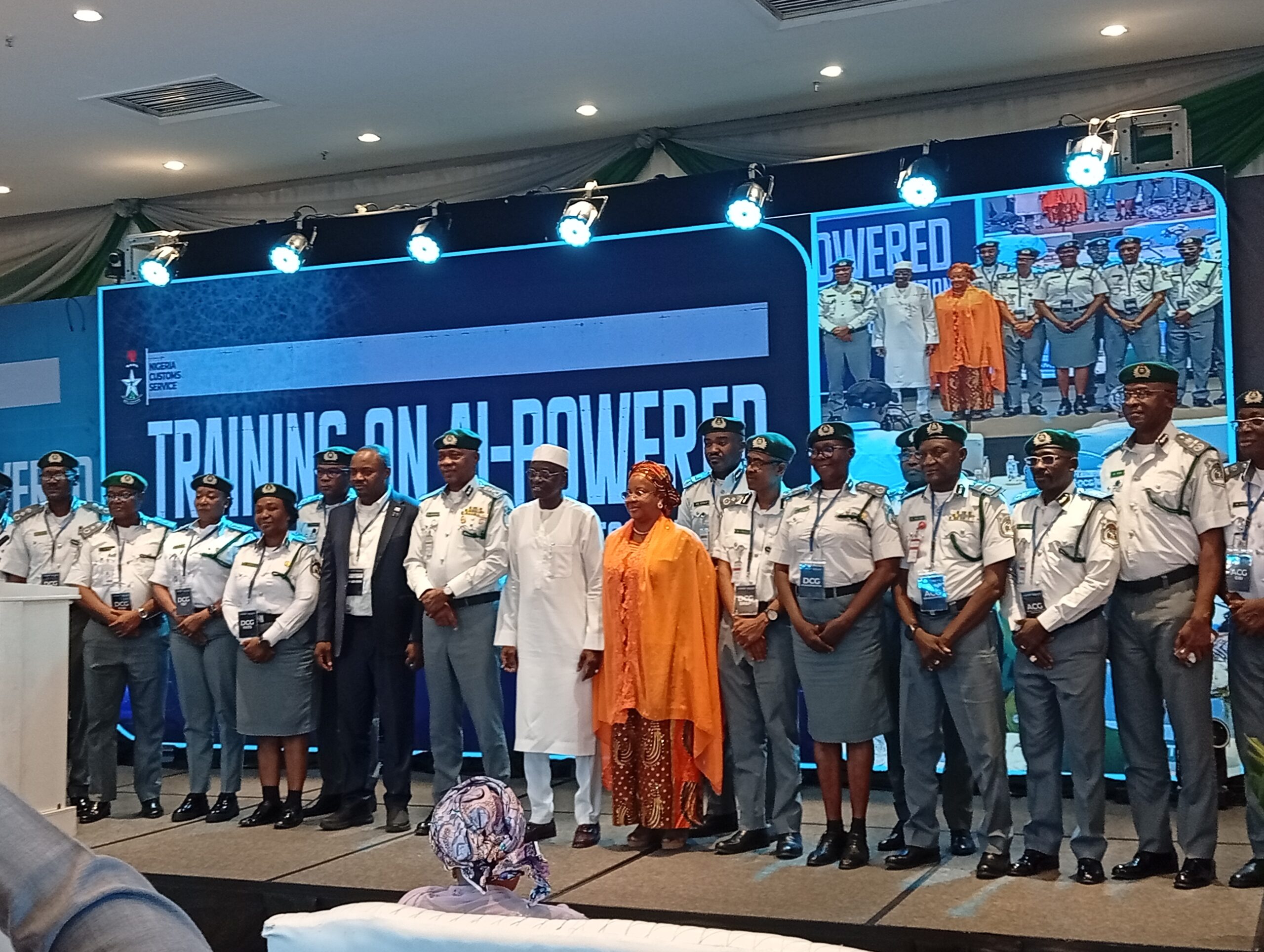
The Nigeria Customs Service on Monday commenced a high-level training programme on AI-powered revenue generation, remittance, and reconciliation as part of efforts to strengthen transparency, efficiency, and accountability in public finance management.
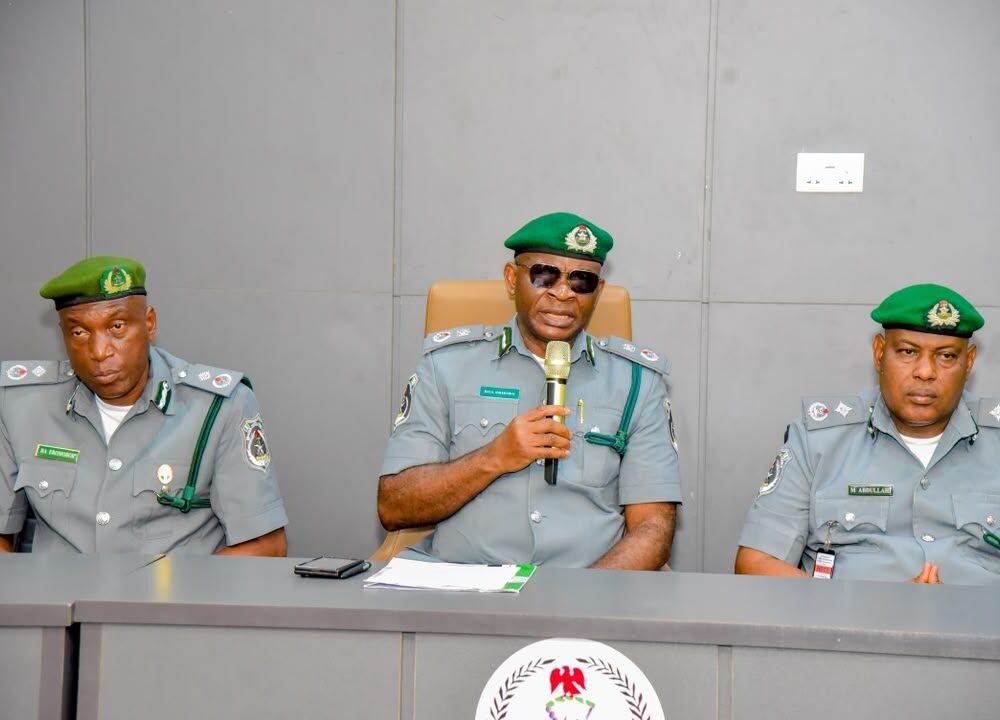
The training, held in Abuja on April 13, 2026, was formally declared open by the Comptroller-General of Customs, Bashir Adewale Adeniyi. It attracted top management staff of the Service, Comptrollers, personnel, members of the National Assembly, the media, and other key stakeholders.
In his keynote address, Adeniyi emphasized the increasing relevance of artificial intelligence in modern governance, noting that while AI offers powerful tools for operational efficiency, it must be complemented by human responsibility and accountability.
He explained that AI systems can detect discrepancies in customs processes such as inconsistencies in cargo weight and valuation but stressed that their effectiveness depend on the willingness of officers to act decisively on the insights generated.
“AI may signal irregularities, but officers must respond decisively. Technology alone cannot deliver perfection; it is our duty to ensure compliance and integrity in the system,” he said.
Delivering the welcome address, Deputy Comptroller-General Kikelomo Adeola in charge of Finance, Administration & Technical Services , described the training as a critical step toward modernising revenue management within the Service.
She noted that artificial intelligence is no longer futuristic but a present-day necessity, offering tools such as automated data analysis, predictive intelligence, and real-time reconciliation systems.
According to her, the initiative is designed to equip officers and stakeholders with the knowledge and tools required to address gaps in the revenue value chain, minimise leakages, and improve remittance accuracy.
“The collaboration among stakeholders, including the legislature and fiscal oversight bodies, reflects a shared commitment to ensuring that every naira due to the Federation Account is properly accounted for,” she said.
In goodwill messages, representatives of the Revenue Mobilization Allocation and Fiscal Commission and members of the National Assembly Committee on Public Accounts commended the Customs Service for embracing innovation and aligning with global technological trends.
They noted that while AI can significantly improve the detection of anomalies and inefficiencies, its success depends on full adherence to its outputs and a collective commitment to reform.
Chairman of the House Committee on Public Accounts, Bamidele Salam, and Chairman of the Senate Committee on Public Accounts, Aliyu Wadada, both praised the Service’s progress in reducing errors and improving revenue performance in recent years.
A resource person at the training, Bamidele Oyedeji, gave an overview of the workshop, stressed that increasing revenue remained Nigeria’s most viable fiscal option amid rising population and expenditure pressures.
He noted that the Nigeria Customs Service generated about ₦6.1 trillion in 2024, representing significant growth compared to previous years, and described AI as a critical tool for blocking revenue leakages without imposing additional burdens on citizens.
Oyedeji explained that AI systems function like highly experienced officers capable of analysing vast volumes of data within seconds, identifying patterns and flagging anomalies that would otherwise go unnoticed.
The event concluded with a vote of thanks delivered by Assistant Comptroller-General I. Aba Aji of Customs Finance and Administration who expressed appreciation to participants and stakeholders for their commitment to strengthening Nigeria’s revenue system.
He described the training as timely and strategic, expressed optimism that the knowledge gained would translate into improved service delivery and enhanced national revenue performance.