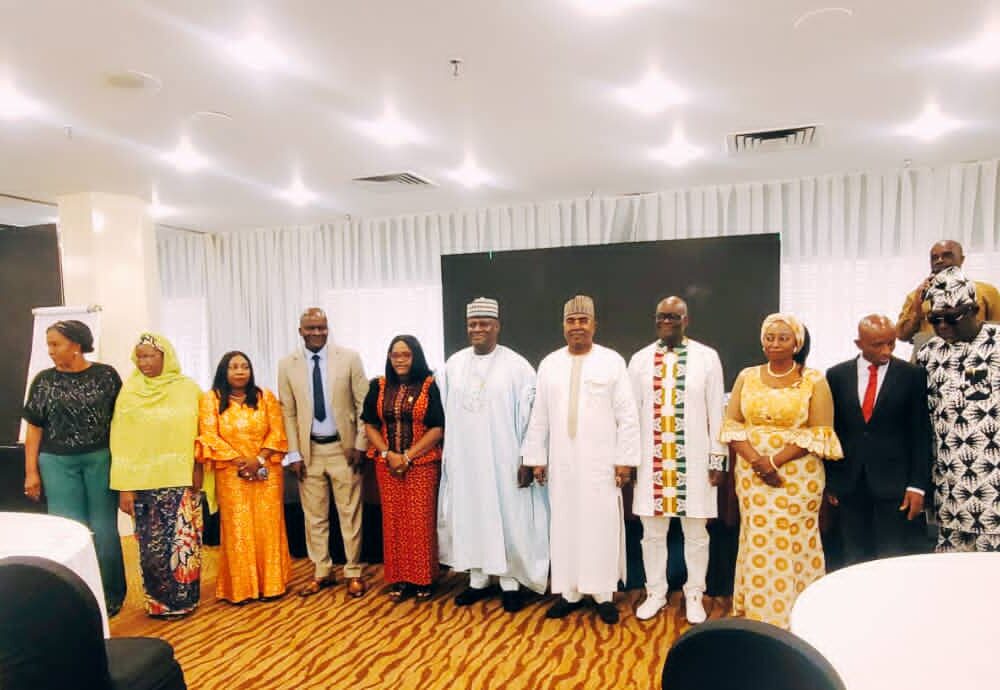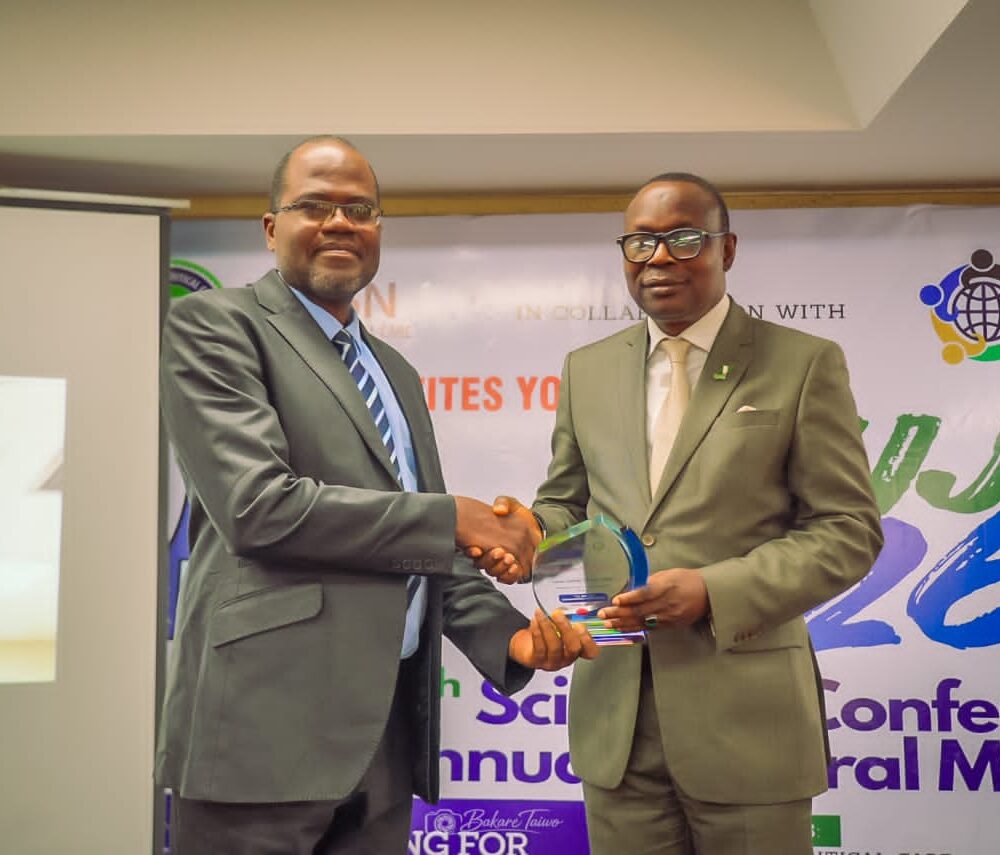


The Federal Government has unveiled a suite of new maternal and newborn health policies aimed at improving the quality of care and reducing preventable deaths, as Nigeria commemorated the 2026 Safe Motherhood Day.
The Ministerial Press Briefing, held in Abuja and organised by the Federal Ministry of Health and Social Welfare, brought together government officials, development partners, health professionals, and stakeholders to reaffirm commitment to safeguarding the lives of mothers and newborns.
Welcoming participants, the Permanent Secretary of the Ministry, Daju Kachollom, who was represented by Permanent Secretary- Designate said this year’s theme“Closing the Gap: From Coverage to Quality Care for Every Mother” reflected the urgent need to move beyond expanding access to healthcare services and focus on delivering safe, effective, and respectful care.
“Coverage alone does not guarantee better outcomes. The quality of care timely, skilled, and compassionate remains the defining factor in saving lives,” she said.
Kachollom highlighted ongoing reforms by the ministry, including the Maternal and Neonatal Mortality Reduction Innovation Initiative (MAMII), which targets high-burden areas with data-driven interventions, and the National Emergency Medical Service and Ambulance System (NEMSAS), designed to improve referral systems and emergency response.
She added that the government is expanding health insurance coverage, strengthening the community health workforce, and equipping more facilities to provide Comprehensive Emergency Obstetric and Newborn Care (CEmONC) services.
In his address, the Coordinating Minister of Health and Social Welfare, Muhammad Ali Pate, represented by the Permanent Secretary of the Ministry, Daju Kachollom, reiterated that access alone is not enough, stressed that quality, timeliness, and equity must define maternal healthcare delivery across Nigeria.
He disclosed that MAMII has now been activated in 32 states, significantly scaling up interventions to tackle the leading causes of maternal and neonatal deaths.
According to the Minister, more than 32,000 women and 1,700 newborns have benefitted from emergency obstetric and neonatal care under the programme, while over 250 health facilities are currently implementing the initiative nationwide.
He further revealed that Nigeria’s emergency medical response has expanded considerably, with 612 ambulances deployed across 340 local government areas. So far, nearly 79,000 beneficiaries—about 60 percent of them pregnant women—have accessed emergency transportation services.
On service delivery improvements, the Minister noted a 20 percent increase in antenatal care attendance in intervention areas, alongside the identification and linkage of over 166,000 previously unregistered pregnant women to healthcare facilities across states including Jigawa, Kaduna, Kano, Katsina, Kebbi, Yobe, Sokoto, and Zamfara.
He also announced the distribution of 111,000 mama kits nationwide, with additional procurement ongoing, as well as the supply of priority maternal and newborn health commodities to hundreds of primary healthcare centres, reaching an estimated 1.2 million women and their newborns.
To strengthen human resources, over 2,000 skilled birth attendants and 3,000 community-based health workers have been recruited across several states, with more in the pipeline.
A major highlight of the event was the unveiling of key policy and service delivery instruments, including the revised Antenatal Care Guidelines, the Obstetrics Clinical and Newborn Service Protocol, Life Saving Skills (LSS) and Expanded LSS training packages, Maternal and Newborn Health Commodity Reporting Tools, the Maternal and Newborn Product Introduction Plan, and the MAMII Comprehensive Guide.
The Minister said the documents are designed to standardize clinical practice, improve decision-making, strengthen frontline capacity, and ensure the effective rollout of lifesaving interventions.
Other speakers at the event included the Executive Director of the National Primary Health Care Development Agency, who emphasized efforts to strengthen primary healthcare delivery and expand access at the grassroots level.
Representatives of the National Health Insurance Authority also highlighted progress in expanding financial access to Comprehensive Emergency Obstetric and Newborn Care, ensuring that cost is no longer a barrier to critical services.
Goodwill messages were delivered by development partners and stakeholders, including the World Health Organization, the National Council of Women Societies (NCWS), and the Safe Motherhood Committee. They commended the Federal Government’s efforts while calling for sustained collaboration, increased investment, and stronger accountability mechanisms to further reduce maternal and neonatal mortality.
The government also urged the media to play a more active role in raising awareness, shaping public discourse, and holding stakeholders accountable in the delivery of healthcare services.
The event concluded with a renewed call for collective action among federal and state governments, partners, communities, and health workers to ensure that no woman dies from preventable causes related to pregnancy and childbirth.
“Every maternal death is preventable and unacceptable,” the Minister said. “Together, we must translate commitments into action and ensure that every mother receives the care she deserves.”