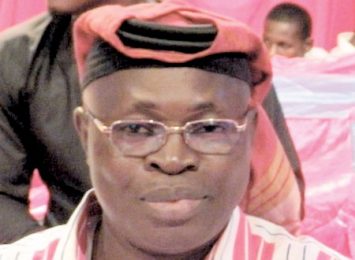
The Muslim Rights Concern (MURIC) has accused some Christian leaders in Nigeria of pursuing what it described as a selfish agenda by opposing the proposed amendment to the Federal Road Safety Corps (FRSC) Act seeking to prohibit preaching and hawking in commercial vehicles.
In a statement issued on Monday, Executive Director of MURIC, Professor Ishaq Akintola, expressed disappointment over the opposition of the Christian Council of Nigeria (CCN) and the Organisation of African Instituted Churches (OAIC) to the proposed legislation, arguing that the bill is intended to enhance road safety and prevent religious tensions.
According to Akintola, opposition to the bill was “motivated by selfishness, myopism and parochialism,” alleging that some Christian leaders were more interested in expanding church membership than supporting measures aimed at protecting public safety.
He argued that commercial buses should not serve as platforms for religious activities, insisting that places of worship provide sufficient avenues for evangelism and religious preaching.
MURIC further cited examples from countries such as the United Kingdom, claiming that disruptive preaching on public transportation and in public spaces can attract sanctions under existing public order laws. The group also referenced incidents involving Nigerian preachers in London to support its position.
The Islamic rights group maintained that Nigeria already has laws promoting public order but lamented what it described as poor enforcement, adding that respect for regulations and public decorum should be encouraged.
Akintola also alleged that opposition to the bill was driven by the desire to sustain aggressive evangelism and increase church membership, claims that reflect MURIC’s views and have not been independently verified.
The group called on human rights advocates and Nigerians to support the proposed legislation, arguing that the protection of lives and maintenance of public order should take precedence over preaching in commercial vehicles.
MURIC appealed to President Bola Ahmed Tinubu to ignore calls against the bill and grant presidential assent once it is presented to him, insisting that the measure would contribute to safer roads and greater public order.
The proposed FRSC amendment has generated public debate, with supporters describing it as a necessary safety measure, while opponents argued that it could infringe on constitutional rights to freedom of religion and expression.