The National Human Rights Commission (NHRC) has raised serious concerns over the state of human rights in Nigeria, disclosing that it received 326,113 human rights complaints across the country in June 2026 and calling for urgent measures to protect citizens and strengthen accountability.
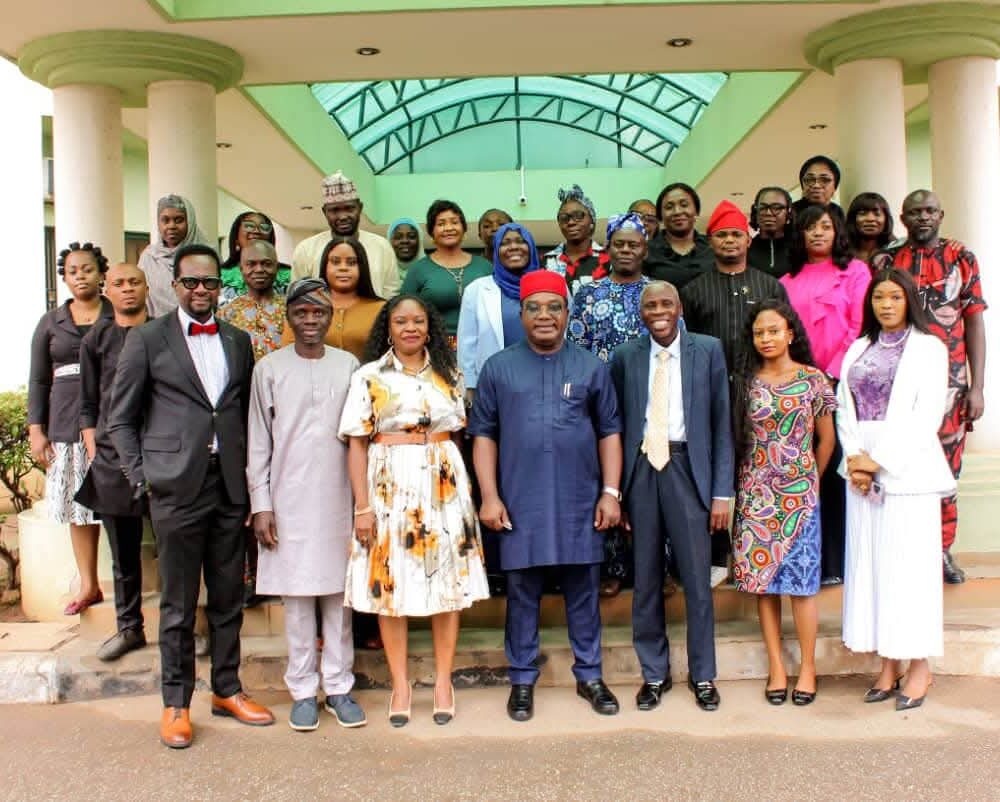
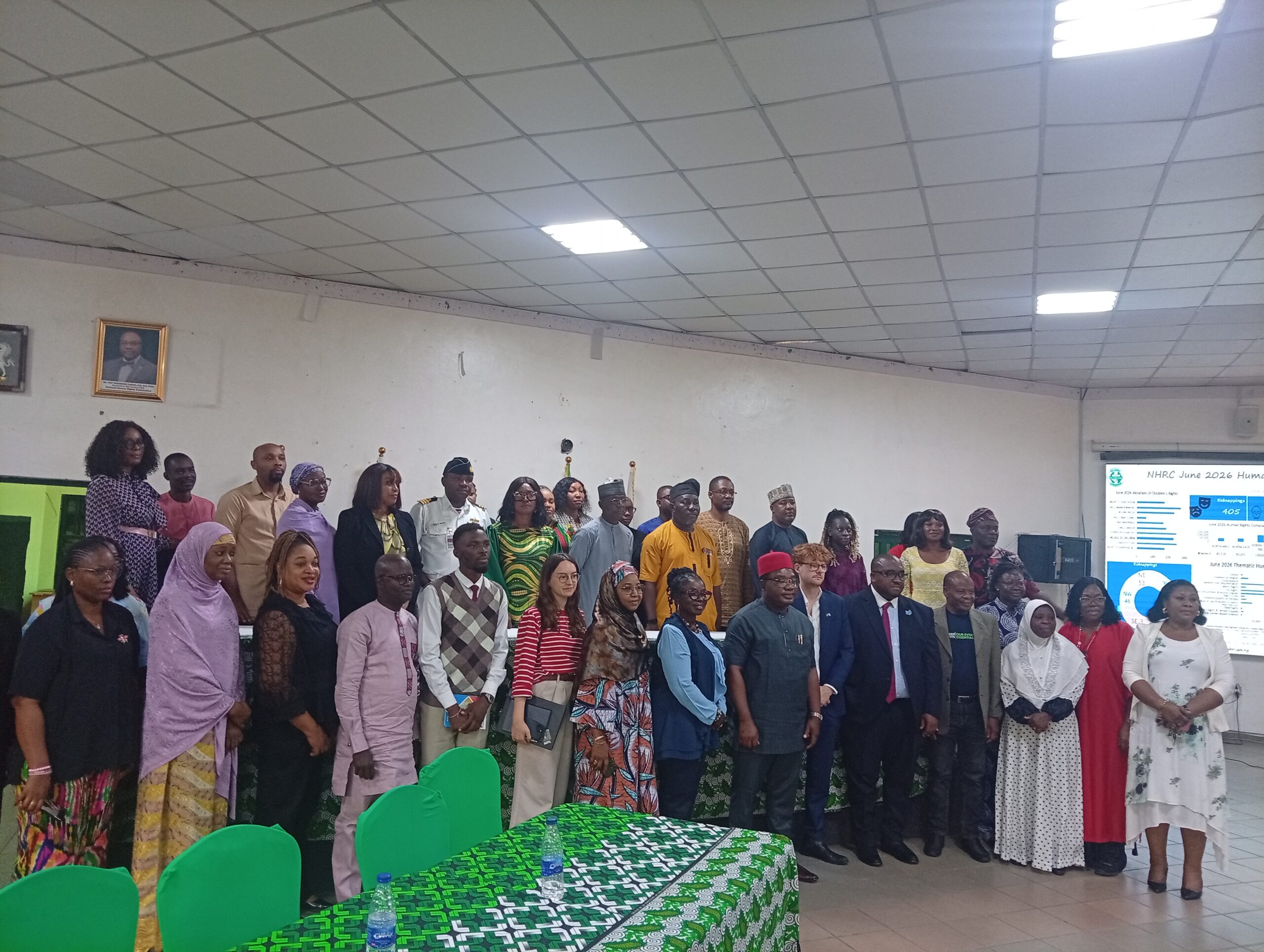
Speaking at the presentation of the Commission’s June 2026 Monthly Human Rights Situation Dashboard in Abuja on Thursday, the Executive Secretary of the NHRC,Chief Tony Ojukwu welcomed representatives of the Nigeria military, the Police Service Commission (PSC), the Nigeria Police Force (NPF) and other government agencies, describing the Dashboard as a vital accountability tool for identifying trends, emerging risks and areas requiring immediate intervention.
He said the Commission’s offices in Abuja and across the 36 states continued to receive, analyse and document complaints while monitoring human rights violations nationwide.
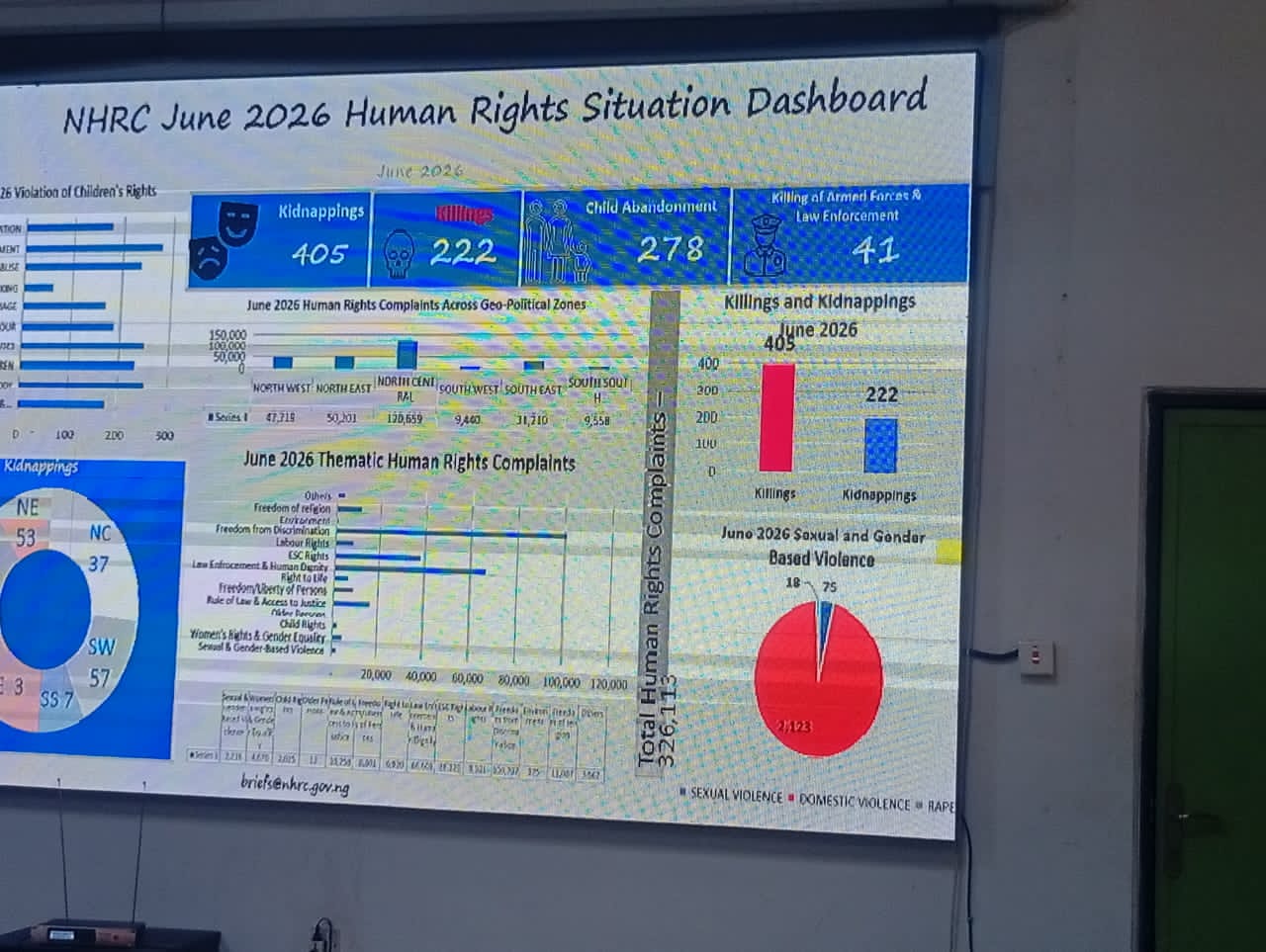
According to the Commission, the 326,113 complaints recorded during the month underscore the persistent and urgent challenge of securing the fundamental rights of all Nigerians.
Beyond complaints received through its reporting channels, the NHRC disclosed that its Human Rights Observatory documented numerous incidents of human rights violations through systematic nationwide monitoring.
The Commission noted that the right to life remained the most frequently violated right during the month, while armed violence continued to dominate the pattern of abuses recorded across the country.
It also expressed grave concern over the increasing cases of sexual violence against children, revealing that multiple incidents involving minors were documented in June. The Commission described the trend as disturbing and called for urgent and coordinated intervention to protect children and ensure perpetrators are brought to justice.
The NHRC further highlighted the official 12-day visit to Nigeria by the United Nations Special Rapporteur on Freedom of Religion or Belief, Professor Nazila Ghanea, from June 8 to 19, during which she visited Abuja, Plateau and Kano states.
According to the Commission, the Special Rapporteur observed that persistent violence, mass displacement, kidnappings and attacks on communities continue to undermine fundamental rights and deepen religious tensions across Nigeria. She also noted that insecurity dominated discussions with religious leaders, civil society organisations and victims throughout her engagements.
The Commission said it was honoured to host the UN mission and reaffirmed its commitment to constructive engagement with United Nations human rights mechanisms. It added that Professor Ghanea’s final report would be presented before the United Nations Human Rights Council in March 2027.
The NHRC also welcomed the recent constitutional amendment towards the decentralisation of Nigeria’s policing structure and operations, describing it as a major step capable of strengthening security and enhancing the protection of human rights.
It said state policing would help safeguard lives and property while improving respect for human rights and commended the Federal and State Governments for the landmark development.
Reflecting on the first anniversary of the Yelwata massacre in Benue State, where more than 100 people were reportedly killed in a single night, the Commission lamented that many survivors remain displaced in overcrowded conditions with inadequate access to food, clean water and healthcare.
The NHRC called for justice for the victims of the Yelwata killings and for every community across Nigeria still awaiting accountability for similar attacks.
The Commission urged government institutions and security agencies to strengthen civilian protection measures, ensure accountability where violations have occurred, invest more in child protection and school safety, and provide immediate psychosocial support for victims and affected families across all parts of the country.
It also commended civil society organisations, humanitarian actors, development partners and the media for their continued commitment to documenting violations, supporting affected communities and promoting accountability through responsible reporting.
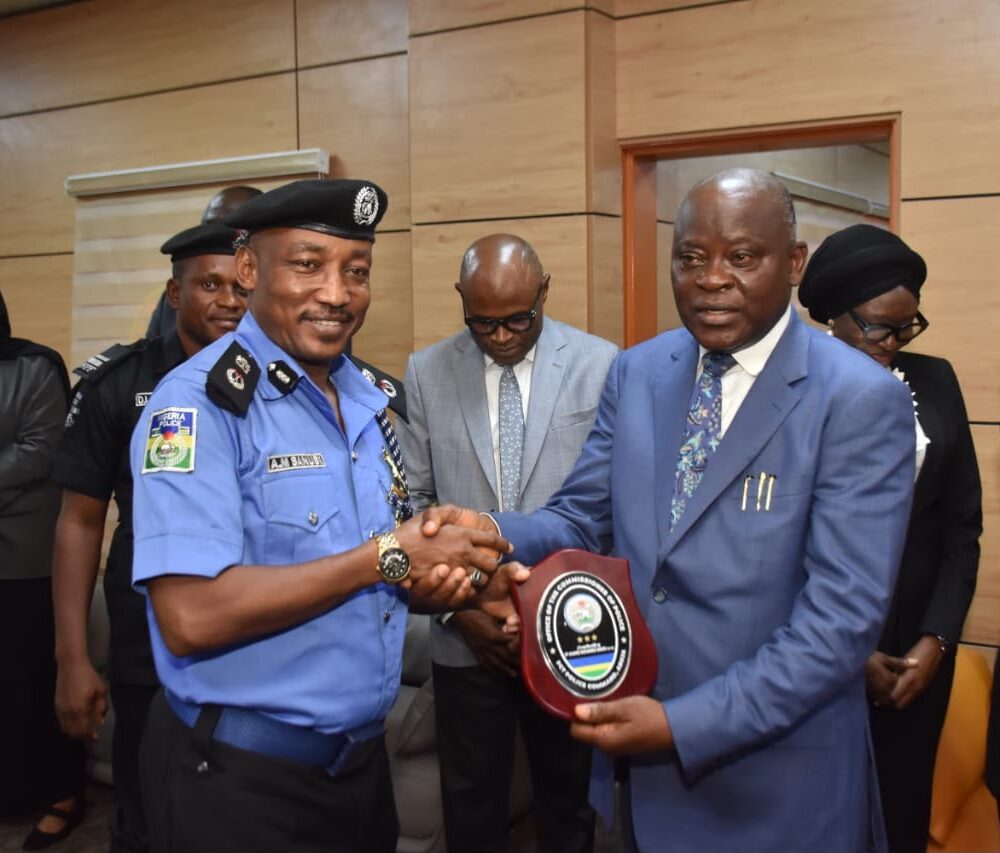
Meanwhile, the Police Service Commission (PSC) commended the NHRC for introducing the Human Rights Situation Dashboard, describing it as a significant milestone in promoting transparency, accountability and evidence-based monitoring of human rights in Nigeria.
The commendation was contained in a goodwill message on behalf the commission by the Chairman of the Commission, DIG Hashimu Argungu (Rtd.), and signed by Dame Victoria N.A. Onyekwuluje Orakwue Esq., Assistant Director, Legal Services, the PSC said the Dashboard would provide reliable data and timely information to support policy formulation, institutional reforms and stronger collaboration among government institutions, civil society organisations, development partners and other stakeholders.
The Commission noted that credible data and objective assessment are essential for advancing human rights, strengthening democratic governance, improving public trust and promoting responsible governance.
It expressed confidence that the initiative would enhance national efforts to safeguard the rights and freedoms of Nigerians while enabling institutions to identify gaps, measure progress and implement effective interventions.
The PSC reaffirmed its commitment to continued collaboration with the NHRC in promoting justice, accountability, the rule of law and respect for fundamental human rights, while supporting a policing system anchored on professionalism, integrity, accountability and respect for the rights and dignity of every citizen.
Congratulating the Executive Secretary and the entire management of the NHRC on the initiative, the Commission expressed confidence that the Human Rights Situation Dashboard would make a lasting contribution to the promotion, protection and advancement of human rights in Nigeria.
The NHRC concluded by reminding Nigerians that human rights are not privileges but fundamental entitlements guaranteed to every individual, calling on government institutions, security agencies and all stakeholders to work together to ensure that every citizen lives in dignity, freedom and equality.