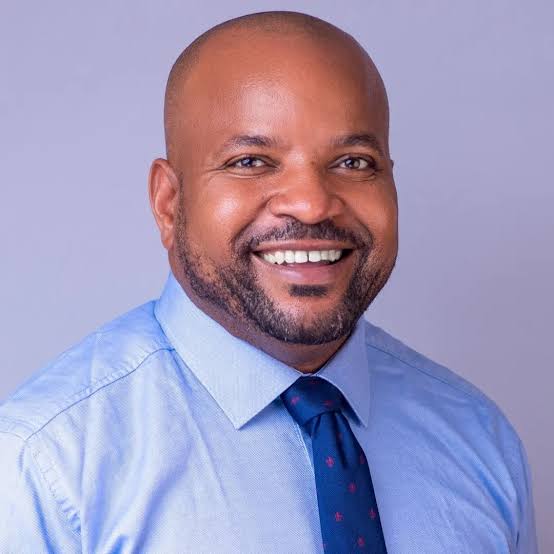

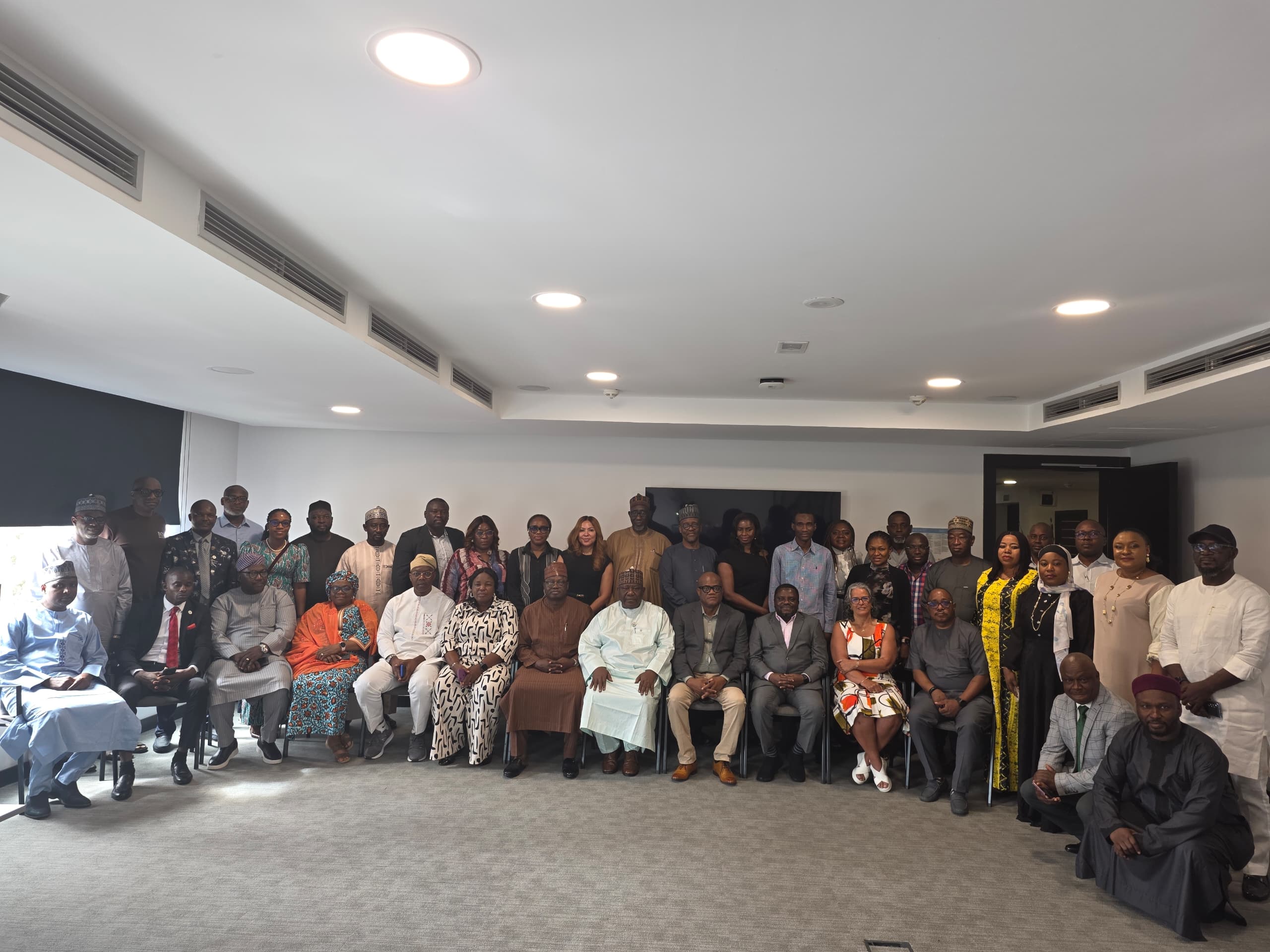
In a strategic move to strengthen the National Orientation Agency’s (NOA) performance and align with President Bola Ahmed Tinubu’s Renewed Hope Agenda, the Director-General of NOA, Mallam Lanre Issa-Onilu, has joined senior agency officials for the Executive Programme on Integrated Performance, Accountability and Digital Risk Management for Public Sector Leaders in Casablanca, Morocco.
The training, organised by the Bureau of Public Service Reforms (BPSR) in partnership with the Africa Development Studies Centre (ADSC), is designed to enhance digital governance, accountability, and citizen-focused service delivery across Nigeria’s public sector.
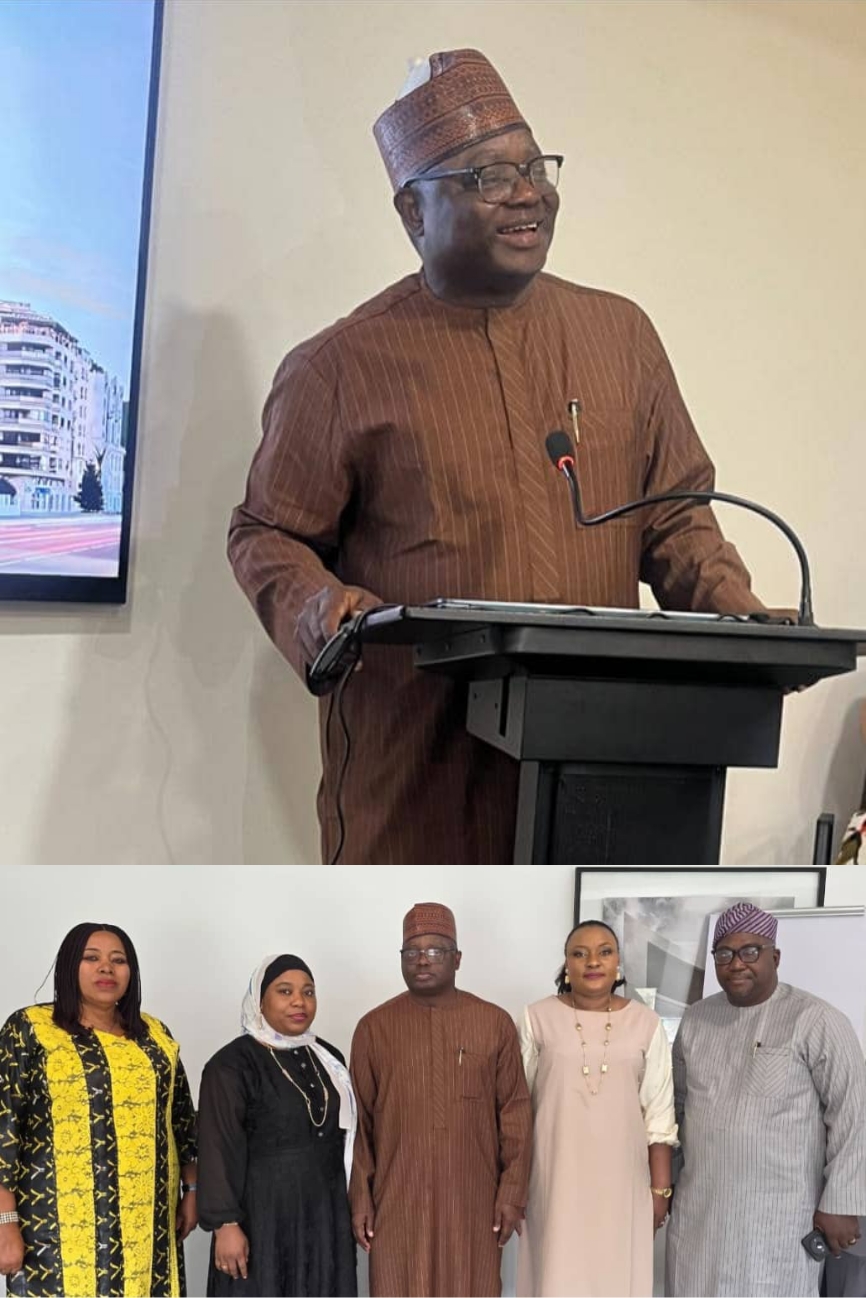
At the flagship session, Issa-Onilu underscored the importance of unity in accelerating Nigeria’s growth. He highlighted how NOA is leveraging digital technologies to improve its structure, fulfil its mandate, and better sensitise citizens on government policies and programmes. According to him, the youth, who represent the largest share of Nigeria’s population, remain central to the agency’s outreach efforts.
The NOA DG further noted that the agency has deployed innovative tools such as hackathons and incentive-based initiatives to deepen young people’s knowledge of government programmes. He also cited CLHEEAN, NOA’s AI-powered voice and chat assistant, which enables citizens to ask questions and receive real-time responses on policies across Ministries, Departments and Agencies (MDAs).
Declaring the training open, the Director-General of BPSR, Dr. D.I. Arabi, explained that the programme reinforced the eighth priority area of President Tinubu’s agenda: ensuring inclusiveness through measurable performance indicators. He noted that the initiative, built on 15 key indicators, seeks to modernise Nigeria’s public service, create a unified government website, and establish digital record management systems in line with the National e-Government Master Plan.
Arabi stressed that effective governance requires linking performance to measurable outcomes, thereby fostering accountability, transparency, and trust. While acknowledging the benefits of digital transformation, he warned of accompanying risks such as cyber threats and data breaches, which must be mitigated through robust risk management.
One of the programme’s highlights was a presentation by Hasnaa Boutzil, a project management and organisational leadership expert, who shared insights from Morocco’s reform journey. She emphasised that reforms must be demand-driven, rooted in citizen needs rather than imposed from the top, and anchored on strong institutional frameworks.
“Sometimes seniority is mistaken for competence. True value comes not from how many years you’ve spent, but from the competency you have and the value you bring,” she remarked.
Participants also engaged in group sessions analysing case studies using four strategic alignment models: the Balanced Scorecard, Strategy Maps, Logic Models, and the Theory of Change. Other facilitators included Victor Walsh Oluwafemi, Youssef Talabi, and Dr. Idahosa Osamhanze.
Agencies represented at the training included the National Information Technology Development Agency (NITDA), Asset Management Corporation of Nigeria (AMCON), and the Ministry of Finance.