
The Managing Director of Alliance Hospital, Christopher Otabor, has raised serious concerns over the growing crisis in Nigeria’s healthcare sector, citing escalating operational costs and the mass migration of medical professionals as major threats to service delivery.
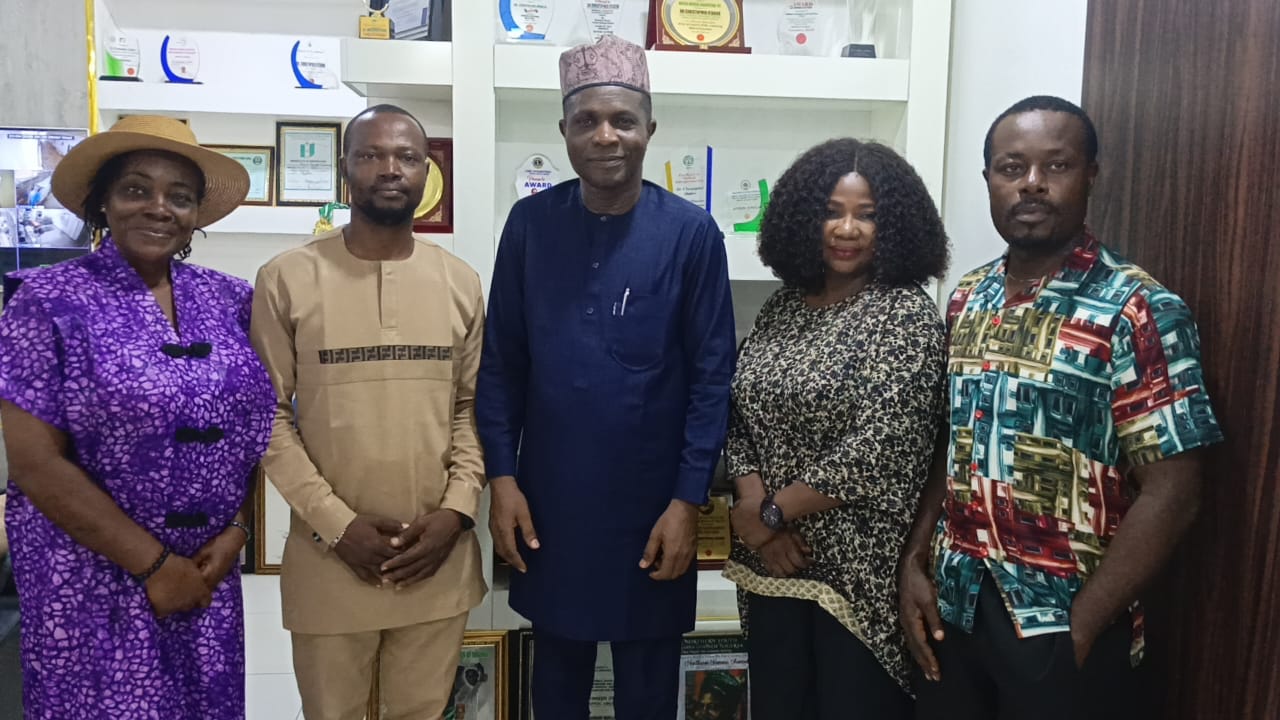
Otabor spoke in Abuja while receiving members of the Nigerian Union of Journalists (NUJ), FCT Correspondents’ Chapel, who paid a courtesy visit to the hospital ahead of the 2026 NUJ Health Conference.
The hospital chief confirmed his participation in the upcoming conference but painted a grim picture of the industry, noting that many healthcare providers are struggling to remain operational amid worsening economic realities.
He disclosed that the hospital’s monthly diesel expenses have surged from between ₦700,000 and ₦800,000 to about ₦1.6 million–₦1.7 million, underscoring the impact of unreliable power supply on healthcare delivery.
According to him, rising costs are colliding with declining purchasing power among Nigerians, leaving many patients unable to afford medical care while hospitals grapple with sustainability challenges.
“Whatever we give is not out of abundance but necessity,” Otabor said, stressing the importance of knowledge sharing in saving lives despite limited resources.
He further lamented that many deaths in the country are preventable, attributing them to poor health awareness and lack of education. “People are dying because they lack knowledge. Ignorance is one of the costliest commodities,” he added.
Otabor also highlighted the alarming rate of brain drain in the sector, revealing that more than 4,600 Nigerian doctors have relocated to the United Kingdom in the last three years, representing a significant proportion of newly trained professionals.
He linked the exodus to poor remuneration, harsh working conditions, and inadequate support systems, particularly in public healthcare institutions.
The Alliance Hospital boss criticized the government’s handling of recurring strikes in public hospitals, noting that private healthcare providers who often absorb the resulting patient influx receive little or no support.
He warned that without urgent and comprehensive reforms, Nigeria’s healthcare system could face a deeper crisis as private hospitals struggle to fill the widening gaps left by underperforming public institutions.
Earlier, Chairman of the NUJ FCT Correspondents’ Chapel, Felix Ojo, commended Alliance Hospital for its continued support for the union and its humanitarian contributions.
Ojo specifically praised the hospital’s sponsorship of the second edition of the NUJ Health Conference, describing it as a reflection of its commitment to promoting public health awareness and strengthening institutional collaboration.
He noted that the 2026 conference is designed as a solution-driven platform to bring together policymakers, regulators, financiers, pharmacists, and health professionals to address pressing challenges in Nigeria’s healthcare system.