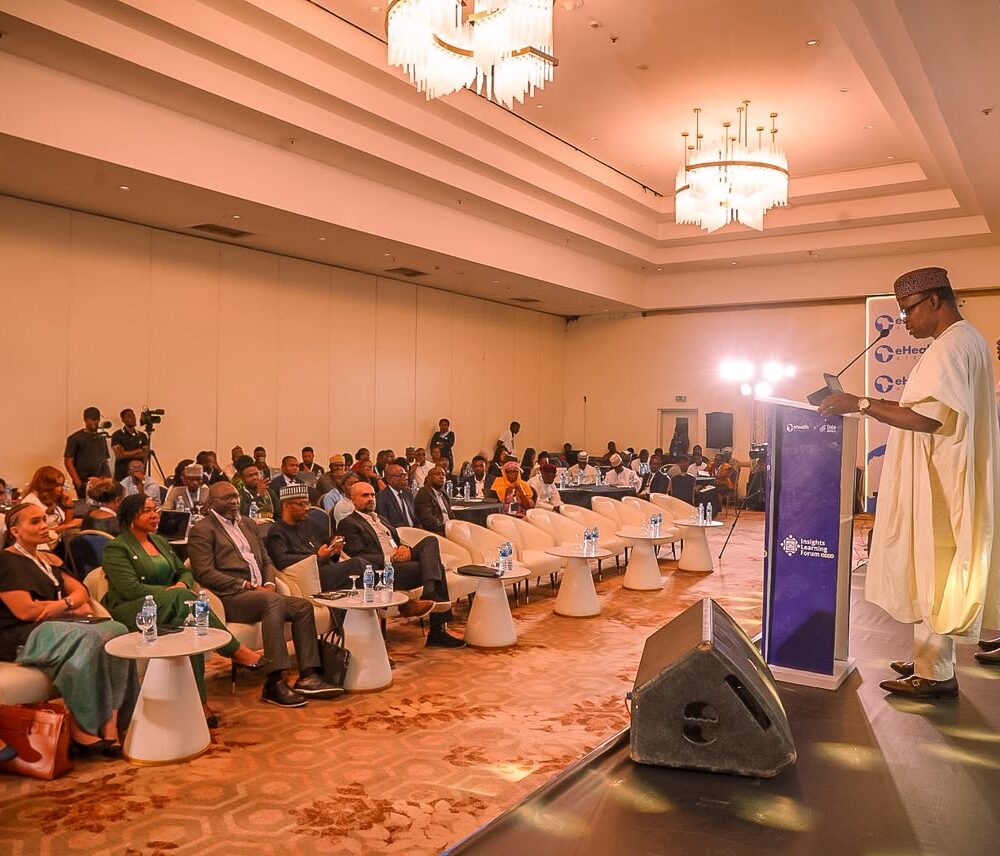

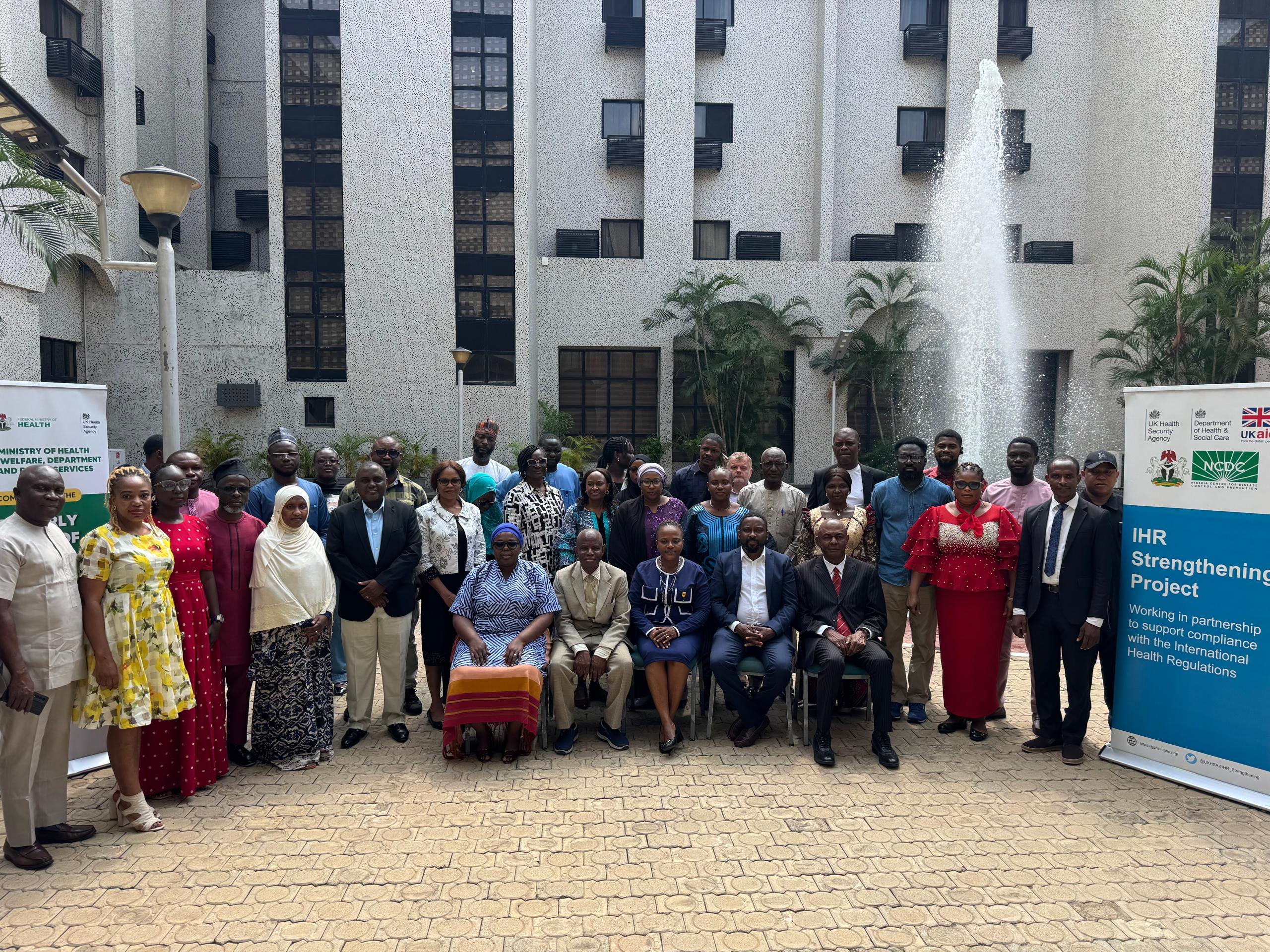
The Federal Government has reaffirmed its commitment to strengthening chemical safety, public health security and emergency preparedness as part of efforts to protect Nigerians from the health, environmental and socio-economic consequences of chemical incidents.
The commitment was reiterated by the Director of the Food and Drugs Services Department at the Federal Ministry of Health and Social Welfare, Mrs. Olufowobi-Yusuf Adeola, during the Second Quarter 2026 meeting of the National Committee on Chemical Surveillance and Emergency Systems (NCCSES) in Abuja.
The meeting focused on reviewing the draft implementation strategy for the National Guidelines for Chemical Event Surveillance in Nigeria and was convened by the ministry with support from the UK Health Security Agency. It brought together representatives of federal ministries, departments and agencies, development partners, academia, research institutions, regulatory bodies, emergency response organisations and other key stakeholders.
Speaking at the meeting, Adeola said chemical incidents continue to pose serious threats to public health, the environment, livelihoods and national development, stressing the need for a coordinated national response.
She noted that the Federal Ministry of Health and Social Welfare established the NCCSES in line with the International Health Regulations (2005), recommendations from the Joint External Evaluation (JEE), and the One Health approach to strengthen surveillance and response to chemical events across the country.
According to her, the committee has recorded significant achievements, including the development and launch of the National Guidelines for Chemical Event Surveillance in Nigeria, laboratory mapping and capacity assessments, stronger multi-sectoral collaboration, efforts to establish Poison Information Centres, and increased awareness of chemical hazards and their public health implications.
Adeola said the next priority is to develop a practical, coordinated and sustainable roadmap that will translate the guidelines into measurable actions at the national, state and community levels. She urged participants to contribute meaningfully to the deliberations.
In his goodwill message, the Country Lead of the UK Health Security Agency, Dr. Ayo Oyinloye, expressed confidence that Nigeria could meet the World Health Organization’s minimum standards for chemical and infectious disease preparedness.
He said the UK Health Security Agency would continue providing technical support to help partner countries strengthen their health security systems but stressed that the responsibility ultimately rests with Nigerians.
“You are not just here on behalf of your organisation. You are here on behalf of 120 million Nigerians who are looking up to you and depending on you to do the job to keep us safe,” he told participants.
Discussions at the meeting included a review of progress made since the first-quarter meeting, implementation of agreed action points, strengthening collaboration among the health, environment, agriculture, industry, emergency management and security sectors, improving reporting mechanisms for chemical incidents, promoting integrated surveillance through the One Health approach, and identifying priority actions to enhance national preparedness and response.
The ministry said the meeting underscored its leadership role in coordinating multi-sectoral efforts to improve chemical safety governance and represented another milestone in Nigeria’s drive to strengthen health security through an integrated chemical surveillance system.
It added that the initiative aligned with Nigeria’s commitments under the International Health Regulations (2005), the One Health approach and the Sustainable Development Goals.