
The Federal Government has announced that Nigeria attracted over US$24.1 billion in capital importation and generated more than US$6.1 billion in non-oil exports under the Renewed Hope Agenda, as efforts to build a $1 trillion economy continue to gain momentum.
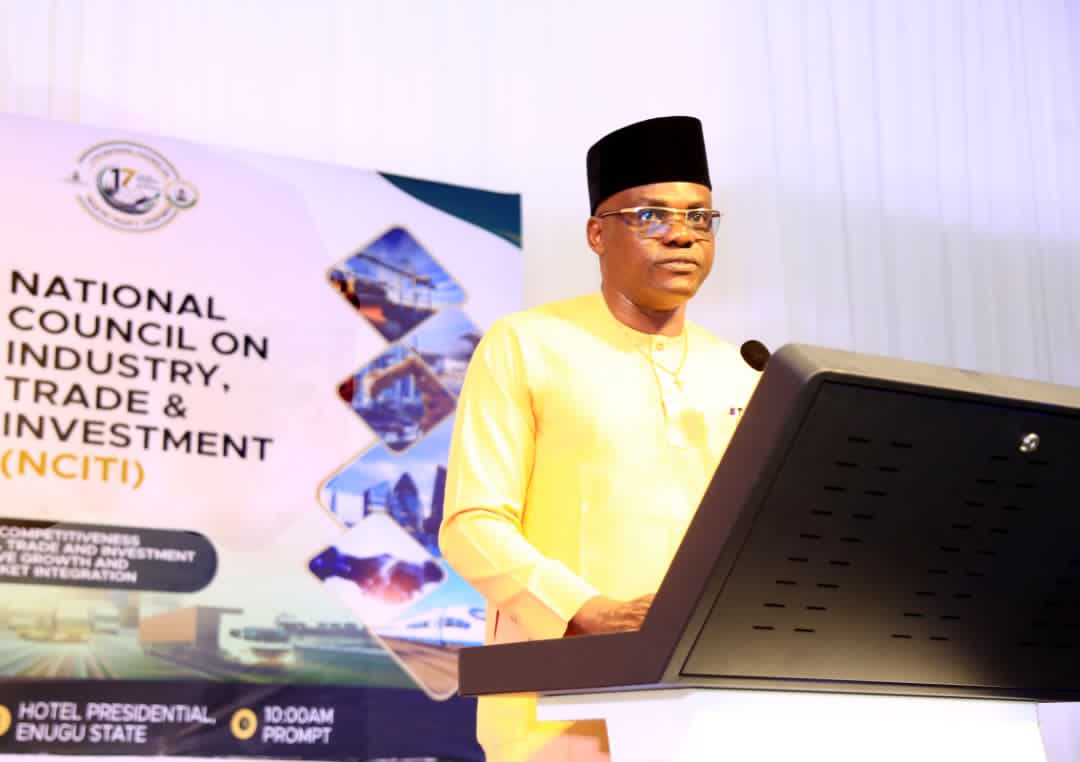
The achievements were unveiled at the opening of the Technical Session of the 17th National Council on Industry, Trade and Investment (NCITI), which commenced on Monday at Hotel Presidential, Enugu, brought together government officials, state representatives and key stakeholders to review progress and set the direction for Nigeria’s industrial, trade and investment policies.
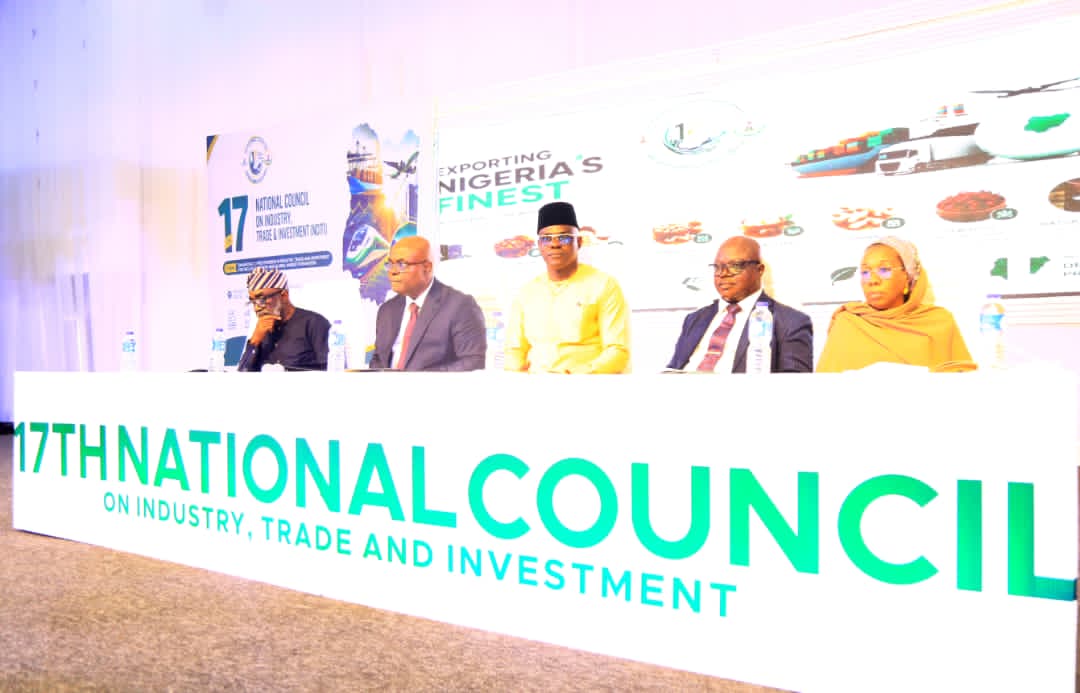
Declaring the session open on behalf of the Minister of Industry, Trade and Investment, the Permanent Secretary of the Federal Ministry of Industry, Trade and Investment, Dr. Chris Osa Isokpunwu, described the technical session as the engine room of the Council’s decision-making process, where policy memoranda are scrutinised, implementation challenges addressed and practical recommendations developed.
He said the 2026 theme, “Enhancing Competitiveness in Industry, Trade and Investment for Inclusive Growth and Global Market Integration,” underscored the Federal Government’s commitment to deepening industrialisation, increasing productivity, attracting investment, expanding exports, creating jobs and strengthening Nigeria’s competitiveness in the global marketplace.
Dr. Isokpunwu highlighted ongoing reforms, including the operationalisation of the National Single Window, trade facilitation initiatives, digital public infrastructure and the implementation of the African Continental Free Trade Area (AfCFTA). He urged delegates to produce practical and evidence-based recommendations through stronger collaboration among governments, the private sector and development partners.
In separate goodwill messages, the Enugu State Commissioner for Trade and Investment, Dr. Samuel Ogbu-Nwobodo, and the Permanent Secretary of the state’s Ministry of Trade and Investment, Mr. Ifeanyi Onah, welcomed participants and showcased Enugu’s investor-friendly environment.
They cited reforms such as Executive Order 007, which they said has enhanced ease of doing business and government efficiency, while reaffirming the state’s commitment to infrastructure development, security, MSME growth and investment promotion.
Presenting the implementation report of the resolutions adopted at the 16th NCITI, the Director of Policy, Planning, Research and Statistics, Mrs. Iya Gamawa, disclosed that significant progress had been recorded across the 22 resolutions adopted at the previous council meeting.
According to her, the achievements include advances in digital trade facilitation, industrial development, AfCFTA implementation, MSME support, infrastructure development and evidence-based industrial policy.
She revealed that more than 40,000 exporters have been onboarded onto the Nigerian Export Promotion Council’s digital export registration platform, while strengthened regulatory systems, expanded Special Economic Zones and improved access to finance have continued to enhance Nigeria’s business environment.
Mrs. Gamawa also announced that the Ministry has concluded plans for a ₦350 billion MSME Development Fund to accelerate enterprise growth, in addition to attracting over US$24.1 billion in capital importation and generating more than US$6.1 billion in non-oil exports.
She noted that 2026 marks the first full year of implementing the Nigeria Industrial Policy (2025–2035), which focuses on industrialisation, strategic value chains, digital transformation and stronger partnerships to drive sustainable economic growth and position Nigeria among the world’s leading economies.
The technical session is expected to consider memoranda submitted by the Ministry, its Departments and Agencies, state governments and other stakeholders, with far-reaching resolutions to be adopted and presented for approval at the Executive Session of the 17th National Council on Industry, Trade and Investment.