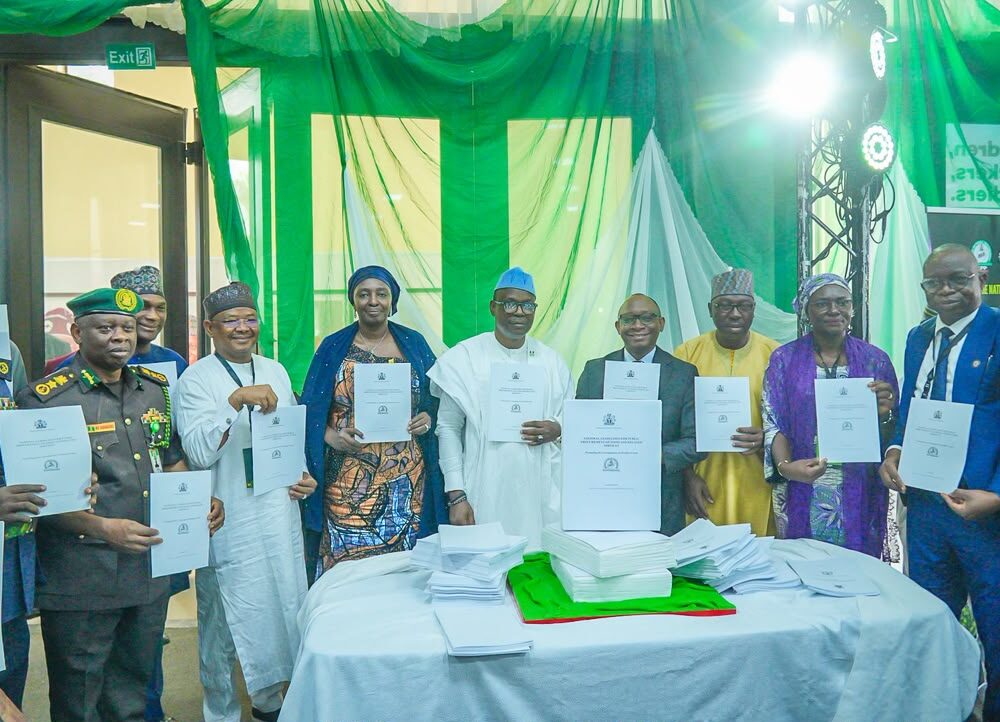
The Federal Government has unveiled a comprehensive National Malaria Strategic Plan (2026–2030) aimed at reducing malaria prevalence and mortality in Nigeria by 50 percent from 2025 levels, as part of renewed efforts to eliminate the disease.
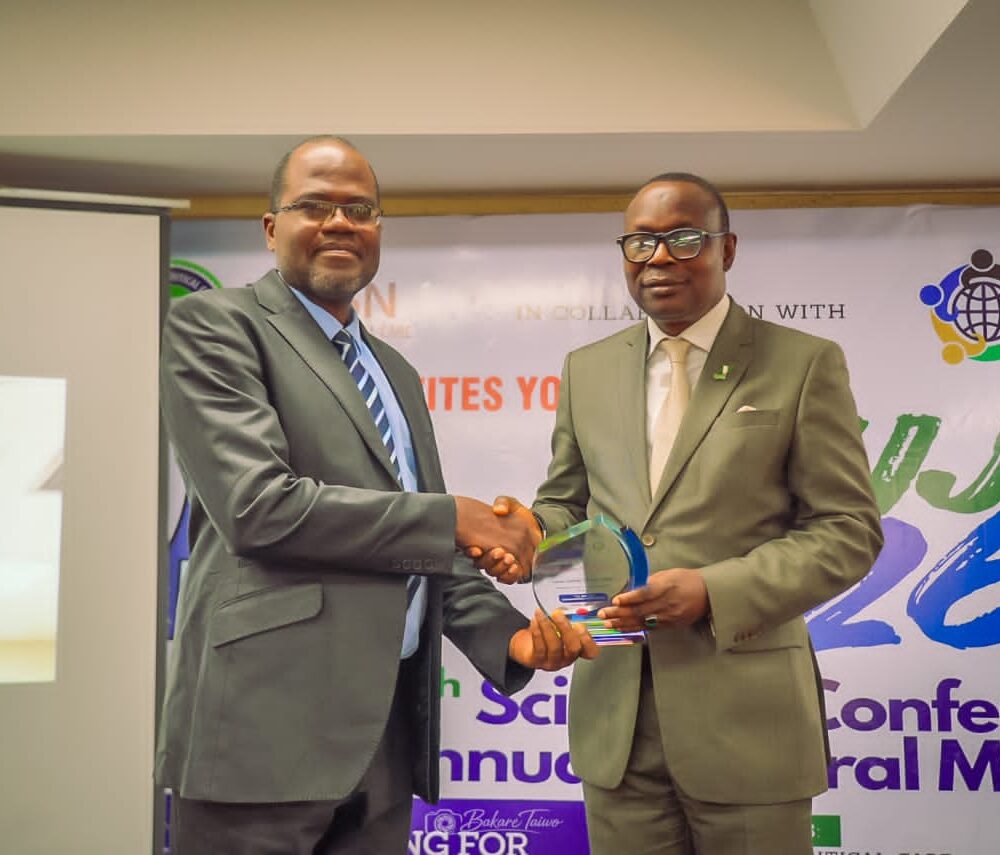
The Honourable Minister of State for Health and Social Welfare, Dr. Iziaq Adekunle Salako, announced the initiative in Abuja during activities marking the World Malaria Day 2026. He noted that the new strategy is designed to consolidate gains already made, with malaria prevalence declining from 42 percent in 2010 to 15 percent in 2025.
Salako said the plan aligned with national and global health frameworks, including the Health Sector Strategic Blueprint (HSSB), the Sector-Wide Approach (SWAp), and the WHO Global Technical Strategy (GTS). According to him, the framework adopts a subnational approach, allowing interventions to reflect the unique realities of states and communities.
He emphasized that the initiative underscored the commitment of President Bola Ahmed Tinubu to improving public health under the Renewed Hope Agenda, describing malaria elimination as a top national priority.
Highlighting progress made so far, the minister disclosed that over 500 million insecticide-treated nets have been distributed nationwide since 2015. He added that distribution would expand to 11 states this year, including Akwa Ibom, Kebbi, Borno, Bauchi, Nasarawa, Abia, the Federal Capital Territory, Kogi, Osun, Kwara, and Adamawa.
He further revealed that Seasonal Malaria Chemoprevention would be implemented across 21 states, targeting about 29 million children under five—one of the largest child-focused malaria prevention programmes in Africa.
In addition, the government is piloting Larval Source Management in six states—Abia, Borno, Ekiti, Lagos, Ondo, and Rivers to tackle mosquito breeding sites through environmental interventions.
Nigeria has also expanded its malaria vaccination programme, first introduced in December 2024 in Kebbi and Bayelsa States, to Bauchi and Ondo States, with over 700,000 children aged five to 23 months already benefiting.
The minister acknowledged the role of partners and stakeholders, stressing that malaria elimination requires a whole-of-society approach involving governments at all levels, civil society, development partners, and the private sector.
In a goodwill message, Senator Nnaji Nwokwo commended ongoing efforts and revealed plans to establish a dedicated agency for mosquito and malaria control, noting that the enabling bill is at an advanced legislative stage.
Also speaking, a representative of the World Health Organization reiterated the urgency of sustained investment and innovation, emphasizing that malaria elimination is achievable with continued commitment.
In her remarks, the Permanent Secretary of the Ministry, Daju Kachollom, described malaria as a major threat to national health and economic productivity, calling for intensified action to end the disease.
She recalled that the commemoration marks 26 years since African leaders pledged collective action against malaria in 2000, reaffirming Nigeria’s commitment to ending malaria as a public health threat.