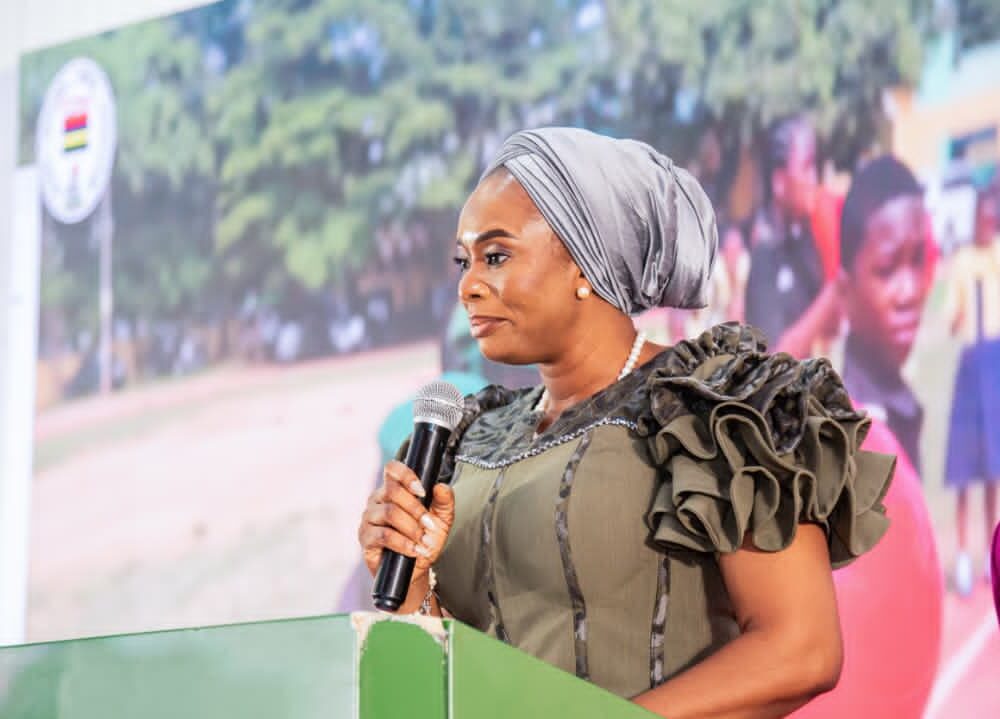

The Federal Government has pledged to implement far-reaching reforms across Nigeria’s correctional system, declared that the report of the Investigative Panel on Alleged Corruption and Other Violations against the Nigerian Correctional Service (NCoS) will serve as a blueprint for transforming correctional centres nationwide.
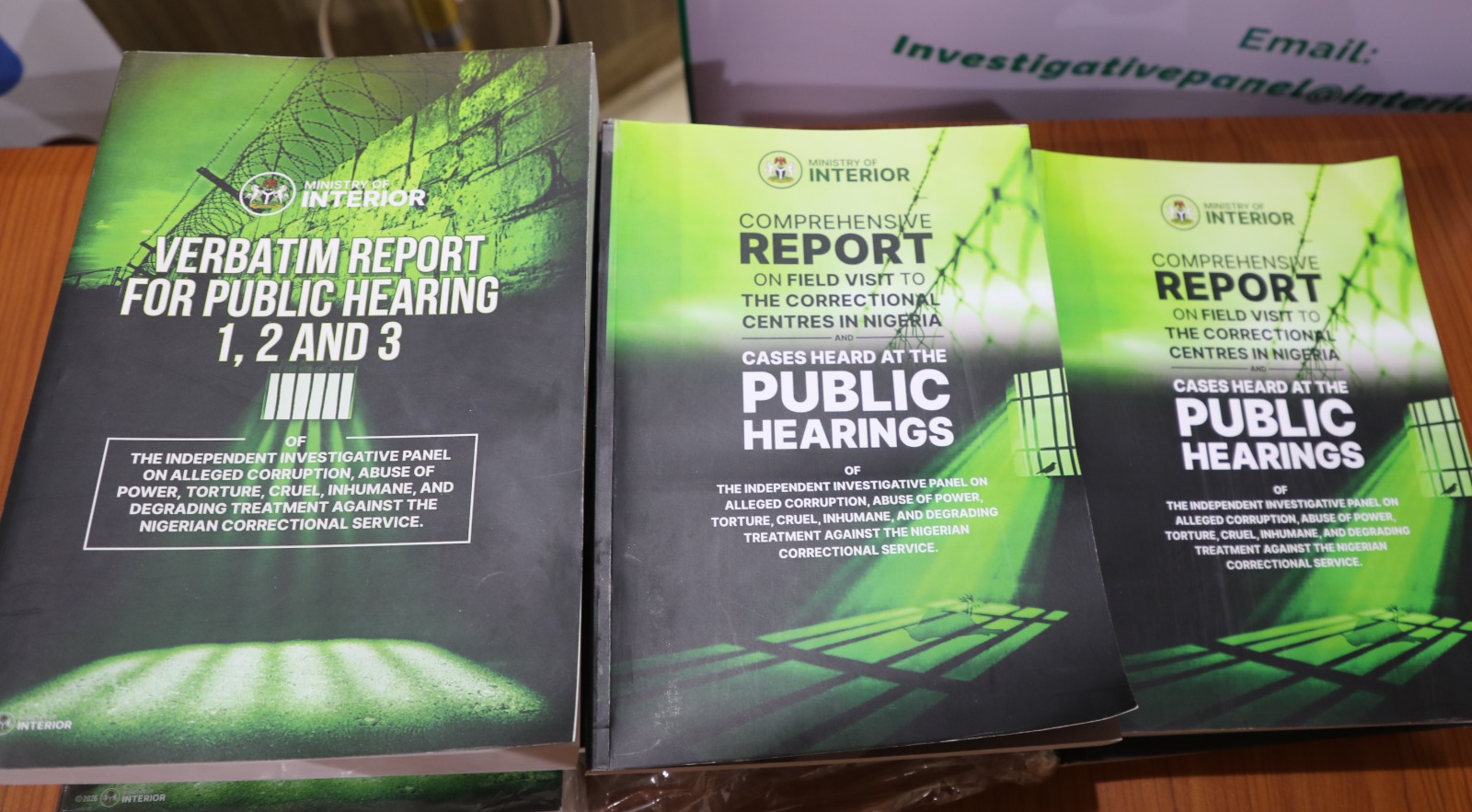
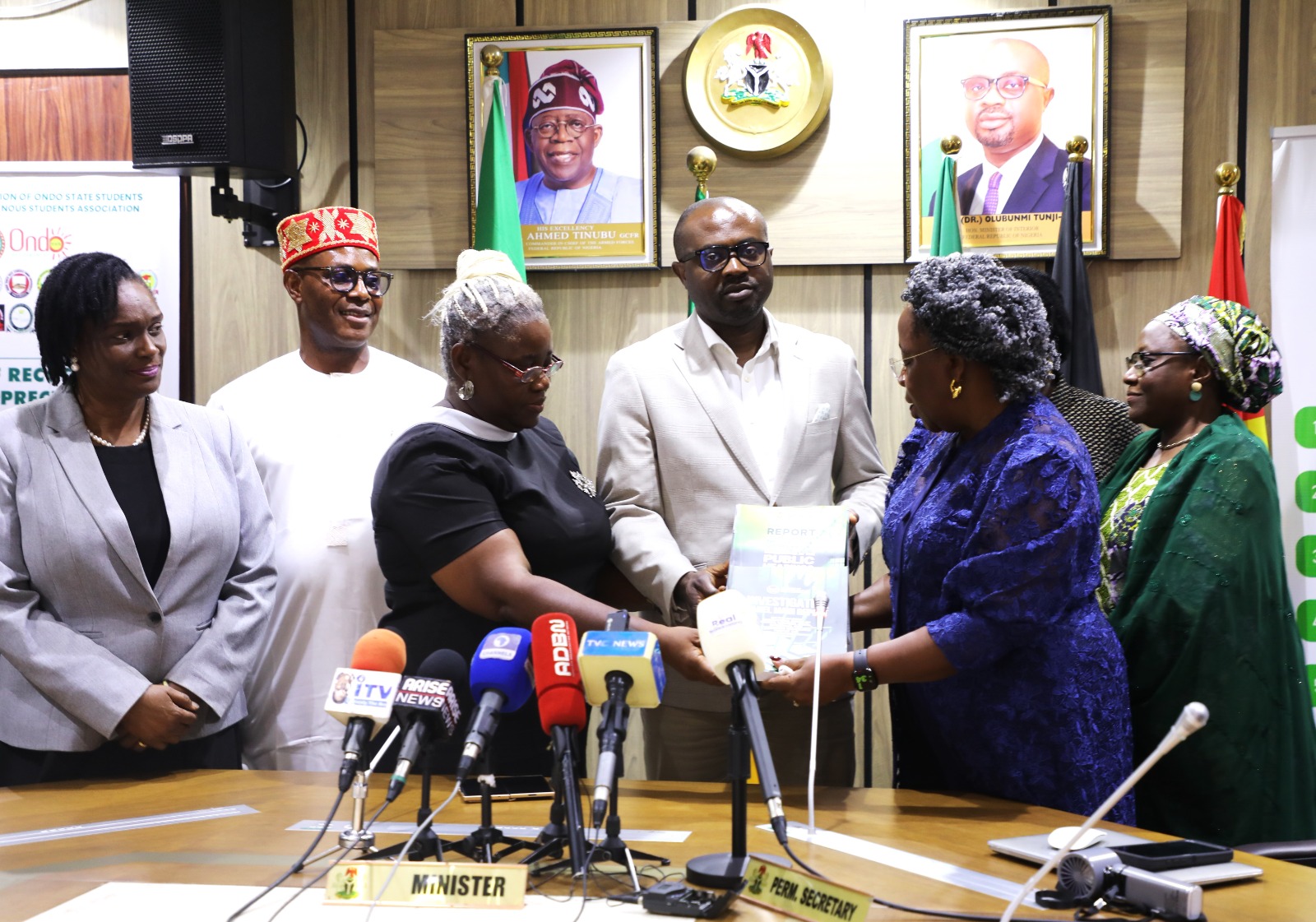
Minister of Interior, Dr. Olubunmi Tunji-Ojo, made the commitment on Wednesday in Abuja while receiving the panel’s report, assuring stakeholders that the document would not be shelved but would form the basis of a renewed correctional system focused on accountability, rehabilitation, and effective service delivery.
Speaking during the presentation ceremony, the Minister commended the panel for its professionalism, diligence, and extensive consultations, describing the report as the outcome of painstaking investigations and stakeholder engagements.
“This report will form the basis of a transformed correctional system. We will aggressively pursue implementation, establish a robust monitoring and evaluation framework, and ensure independent oversight to guarantee accountability and measurable results,” Tunji-Ojo stated.
He said the panel’s work represents a significant milestone in ongoing efforts to strengthen transparency, improve operational standards, and deepen reforms within the Nigerian Correctional Service.
According to the Minister, correctional facilities should not merely serve as places of confinement but as institutions of rehabilitation, restoration, and second chances. He emphasized that a well-functioning correctional system benefits not only inmates but society as a whole and should be viewed as a critical component of the nation’s social and economic development architecture.
Tunji-Ojo reiterated that the correctional sector reflects the values of a nation, stressing that every Nigerian, regardless of circumstance, deserves dignity, fairness, and humane treatment. He added that the reform initiative aligns with the vision of President Bola Ahmed Tinubu’s administration to ensure that all citizens, including those in correctional custody, benefit from government policies and programmes.
Highlighting progress already made in the sector, the Minister disclosed that Nigeria’s custodial facilities currently have a capacity of approximately 68,496 inmates, while the inmate population stands at about 80,732.
To address overcrowding, he revealed that the government is constructing new correctional facilities with an additional capacity of about 33,000 inmates, including major projects in Abuja and Kano.
The Minister also pointed to notable improvements in rehabilitation outcomes, particularly in reducing recidivism. According to available data, the number of repeat offenders declined from 11,616 in 2023 to 3,156 in 2024 and further dropped to 1,392 in 2025.
He further disclosed that educational opportunities within correctional centres have continued to expand, with 62 postgraduate students and 261 undergraduate students currently in custody, while more than 1,125 inmates are participating in various educational programmes. In addition, 18 National Open University study centres are operating within correctional facilities across the country.
Beyond formal education, thousands of inmates are enrolled in vocational and skills acquisition programmes covering carpentry, agriculture, electrical installation, welding, tailoring, barbering, soap production, hairdressing, laundry services, and other trades aimed at preparing them for successful reintegration into society.
On non-custodial measures, Tunji-Ojo disclosed that 1,227 individuals have benefited from alternatives to incarceration, including community service, probation, restorative justice, and other interventions designed to reduce pressure on custodial facilities while promoting rehabilitation.
Earlier, Chairman of the Investigative Panel, Dr. Magdalene Ajani, formally presented the report and expressed appreciation to the Minister for his support throughout the assignment. She noted that members of the panel carefully examined the issues before them and engaged extensively with relevant stakeholders during the course of their work.
Ajani expressed confidence that the report would be effectively implemented and contribute meaningfully to ongoing reforms within the Nigerian Correctional Service.
Also speaking, Secretary of the panel, Associate Professor Uju Agomoh, advocated for the publication of the report, arguing that making its findings accessible to Nigerians would strengthen transparency and boost public confidence in the reform process.
In his remarks, the Comptroller-General of the Nigerian Correctional Service, Sylvester Nwakuche, welcomed the report and pledged the full cooperation of the Service in implementing its recommendations.
He commended the Minister for his leadership and commitment to correctional reforms and praised the panel for undertaking one of the most extensive engagements and facility assessments conducted in recent years.
Nwakuche further assured that the Nigerian Correctional Service would continue to work closely with the judiciary, the police, and other criminal justice stakeholders to ensure the successful implementation of the report’s recommendations and improve the effectiveness of the nation’s correctional system.
The presentation of the report is being viewed as a major milestone in the Federal Government’s efforts to reposition the Nigerian Correctional Service as a modern institution focused on rehabilitation, reintegration, accountability, and public safety.