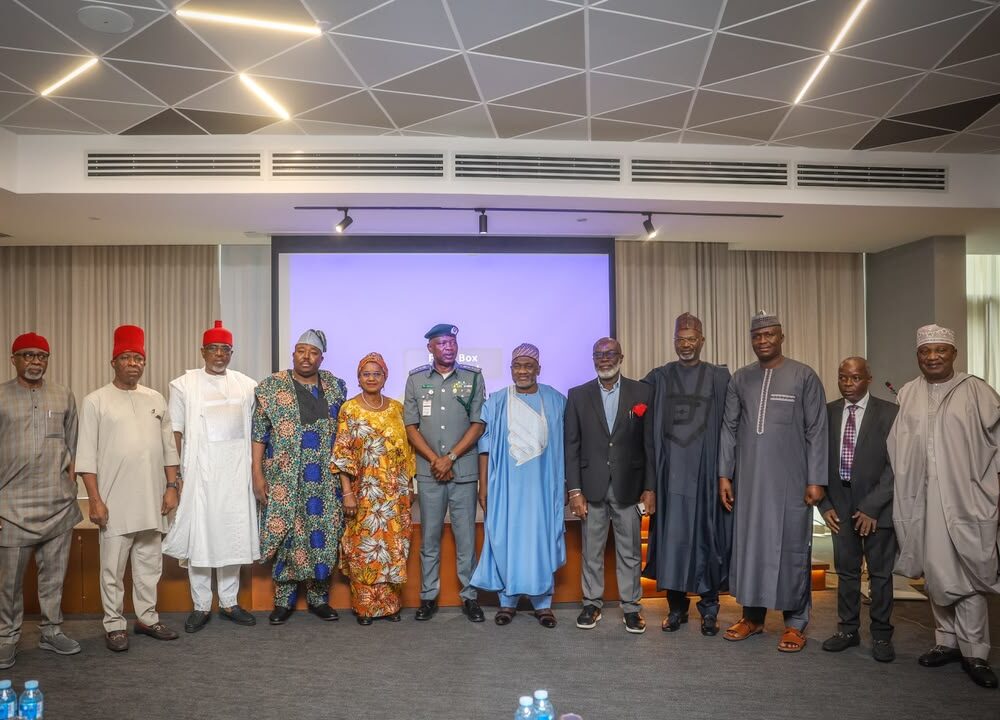

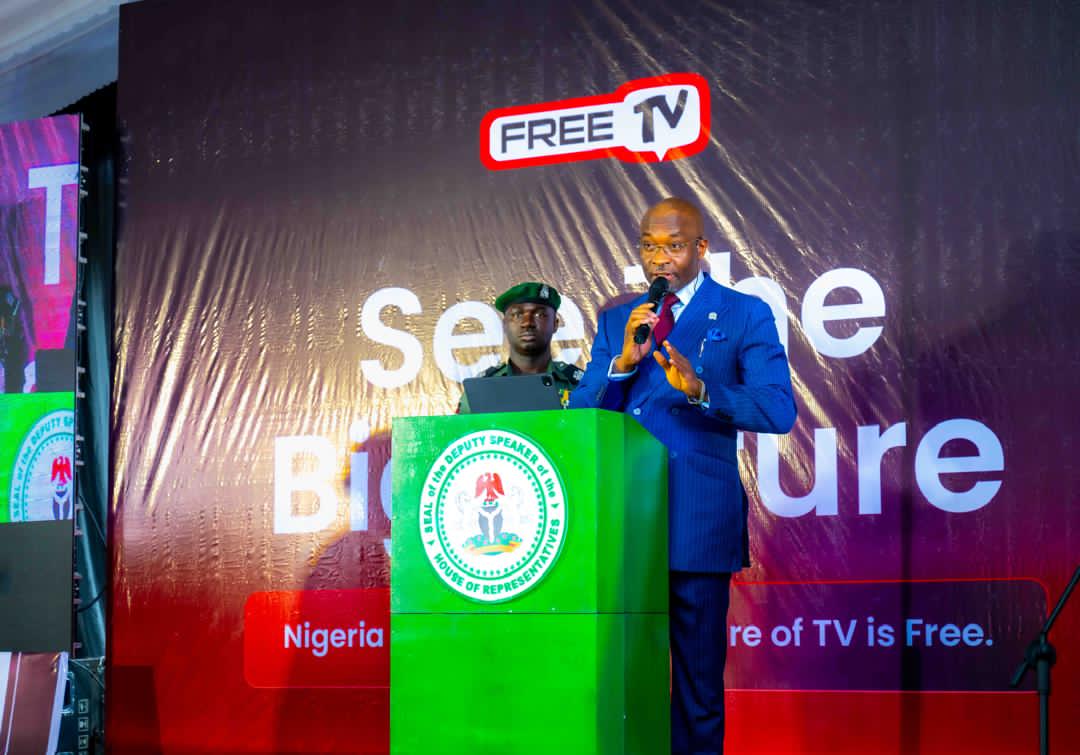
Deputy Speaker of the House of Representatives, Rt. Hon. Benjamin Okezie Kalu, has urged Nigeria to position itself as a leader in technological innovation rather than merely adapting to global digital trends, saying the 10th National Assembly is advancing key reforms to strengthen data protection, cybersecurity and broadband access across the country.
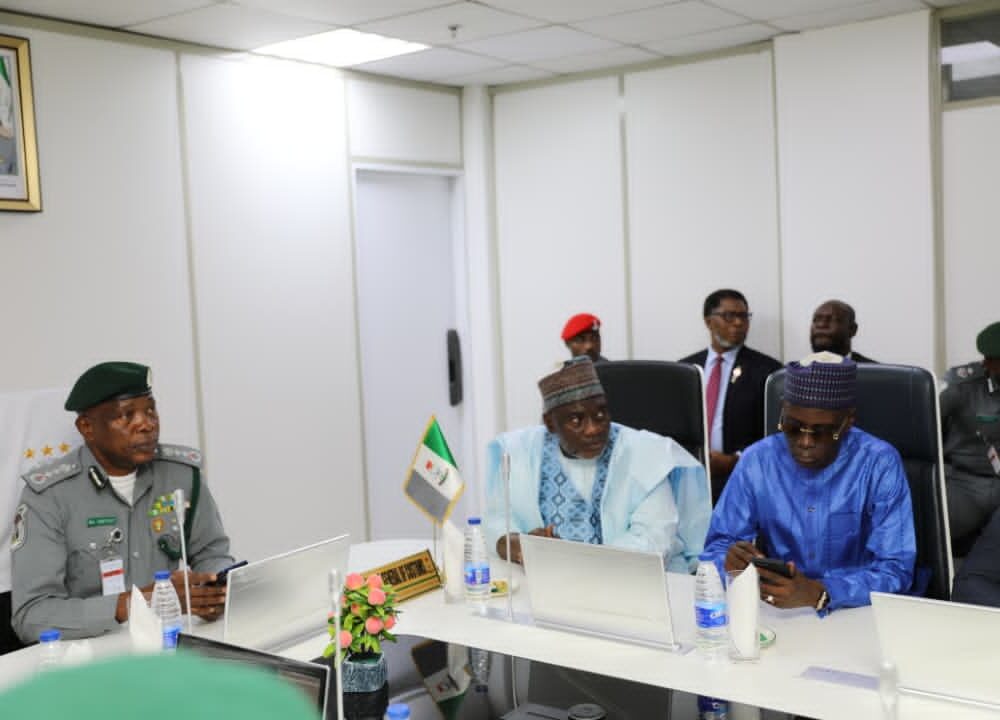
Kalu made the remarks on Wednesday in Abuja at the official Digital Switchover programme organised by the Nigerian Communications Satellite Limited (NIGCOMSAT), where he highlighted ongoing legislative efforts aimed at building a resilient and inclusive digital economy.
He said the House of Representatives, under the leadership of Speaker Rt. Hon. Abbas Tajudeen, is translating policy objectives into legislative action by pursuing reforms that will strengthen Nigeria’s digital future.
According to him, the reforms include stronger data protection and cybersecurity measures, incentives to expand affordable broadband services to underserved communities, legislation to promote local digital content and skills development, as well as updated spectrum management policies to ensure efficient use of national digital assets.
“The National Assembly is translating policy understanding into legislative action. Under the leadership of the Speaker, Rt. Hon. Abbas Tajudeen, the 10th House is advancing reforms to strengthen Nigeria’s digital future,” Kalu said.
He noted that the legislative agenda aligns with President Bola Ahmed Tinubu’s Renewed Hope Agenda, which places the digital economy at the heart of Nigeria’s economic transformation strategy.
Kalu commended President Tinubu for prioritising a digital-led growth model designed to stimulate economic expansion and improve Nigeria’s competitiveness in the global economy.
The Deputy Speaker also disclosed that the National Assembly is working closely with the Federal Ministry of Communications, Innovation and Digital Economy, led by Minister Bosun Tijani, to strengthen the legal and institutional framework necessary for digital transformation.
He said the collaboration includes the development of a National Digital Economy and E-Governance Framework to support secure digital services, cybersecurity and efficient data exchange across government institutions.
Kalu added that investments in national fibre-optic infrastructure are also being pursued to improve connectivity and bring millions of previously unconnected Nigerians into the digital ecosystem.
Describing the Digital Switchover as more than a technological milestone, he said the initiative forms part of a broader national effort to create a modern digital economy that serves all Nigerians.
“Digital transformation of this scale requires collaboration between government, the private sector, academia and development partners, a regulatory environment that enables innovation while protecting the public interest, and a shared commitment to intentionally build the future,” he said.
Kalu stressed that rapid developments in artificial intelligence, satellite technology and digital platforms are reshaping economies and societies worldwide, presenting Nigeria with a choice to either shape these changes or merely react to them.
“The question before Nigeria is whether we will shape these changes or merely adapt to them; we must choose to lead, not only as consumers of innovation, but as contributors to the technologies that define the future,” he said.
The Deputy Speaker commended the National Broadcasting Commission for driving the Digital Switchover initiative and praised NIGCOMSAT for providing the satellite infrastructure supporting the transition.
He noted that satellite systems have become a strategic national asset, helping to extend connectivity to underserved areas, strengthen national security and improve access to digital services where terrestrial networks remain limited.
Kalu further stated that the true measure of the Digital Switchover would not be its technical success alone but its ability to expand opportunities, reduce inequality and improve the quality of life of ordinary Nigerians.
He expressed confidence that the initiative would deepen Nigeria’s commitment to becoming a fully digital nation where innovation is encouraged, talent is empowered and opportunities are broadly shared.
He also called on all stakeholders to embrace innovation and contribute actively to the technologies that will shape the future, stressed that nations that connect their people to knowledge and opportunity are better positioned for long-term prosperity.