Nigeria has assumed the Chairmanship of the Bureau of the African Continental Free Trade Area (AfCFTA) Council of Ministers Responsible for Trade, pledging to drive faster implementation of the continental trade agreement to boost industrialisation, expand intra-African trade and promote inclusive economic growth across the continent.
The announcement was made at the 18th Meeting of the AfCFTA Council of Ministers Responsible for Trade held in Abuja.
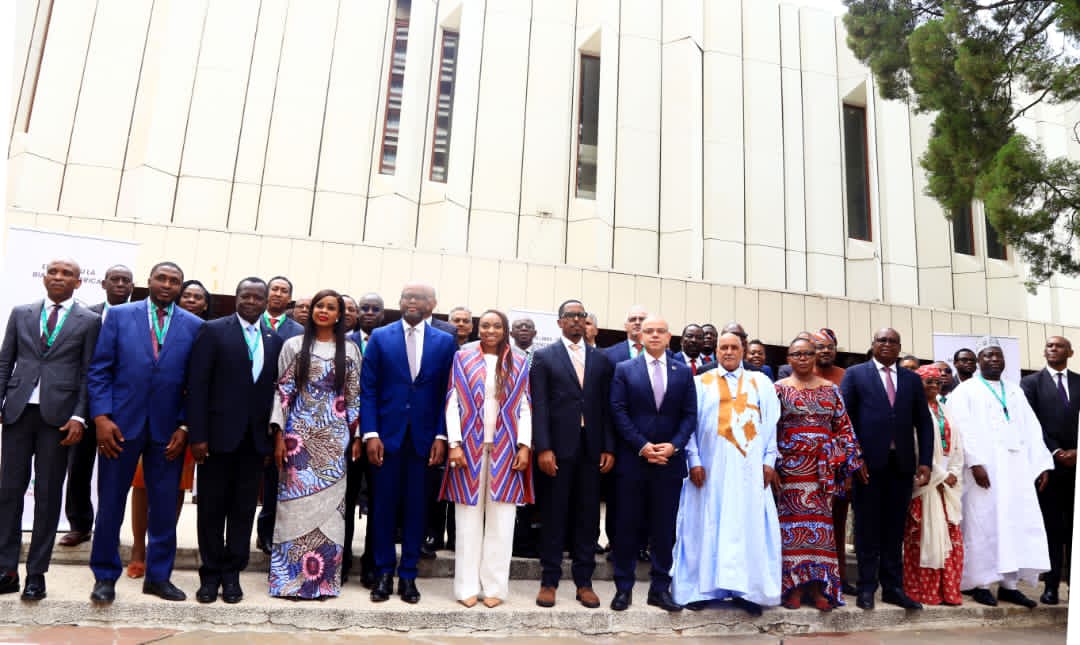
Speaking at the meeting, the Minister of Industry, Trade and Investment, Dr. Jumoke Oduwole, described the AfCFTA as one of the African Union’s most transformative initiatives, stressing that Africa must move beyond negotiations to delivering tangible economic benefits for businesses, women, youth entrepreneurs and over 1.4 billion people across the continent.
She highlighted Nigeria’s progress in implementing the agreement, including the operationalisation of the Nigeria AfCFTA Coordination Office, submission of tariff concessions and services commitments, nationwide stakeholder engagement, export readiness programmes, support for Micro, Small and Medium Enterprises (MSMEs), and Nigeria’s pioneering role as the first State Party to ratify the Protocol on Digital Trade.
As the new Chair of the AfCFTA Council Bureau, Dr. Oduwole pledged that Nigeria would work closely with member states, the AfCFTA Secretariat, development finance institutions and the private sector to deepen implementation of the agreement.
She identified Nigeria’s priorities to include strengthening regional value chains, expanding digital trade and infrastructure, improving access to trade finance, empowering women- and youth-led enterprises, and enhancing public-private sector collaboration.
The minister also urged member states to adopt emerging legal instruments such as the United Nations Convention on Negotiable Electronic Cargo Documents to modernise trade documentation, reduce transaction costs and facilitate secure cross-border digital trade.
Outgoing Chair of the Bureau, Dr. Mohammed Saleh of Egypt, congratulated Nigeria on assuming the leadership role and expressed confidence in the country’s ability to steer the next phase of the AfCFTA.
He noted that Egypt’s tenure recorded significant progress in negotiations on Rules of Origin for textiles, apparel and automotive products, alongside the adoption of regulatory frameworks covering digital trade, financial and communication services, competition policy and intellectual property rights.
Saleh called for accelerated implementation through expanded tariff concessions, stronger customs cooperation, improved digital trade systems and greater private sector participation.
Also speaking, AfCFTA Secretary-General, Mr. Wamkele Mene, announced that the completion of Phase II negotiations, following the adoption of the remaining annexes to the Protocol on Intellectual Property Rights, marked a shift towards full implementation of the agreement.
According to him, more than 10,000 certificates of origin had been issued under the AfCFTA by March 2026, reflecting growing commercial activity, while intra-African trade is projected to reach approximately 230 billion US dollars in 2026, driven largely by manufacturing and value-added products.
Mene added that changing global supply chains, digital transformation and Africa’s youthful population present significant opportunities for the continent to strengthen its position in global trade.
He urged stronger collaboration among member states, development finance institutions and the private sector, while advocating sustainable financing for the AfCFTA Secretariat to support expanding implementation efforts.
The meeting ended with member states reaffirming their commitment to translating the AfCFTA’s legal and institutional achievements into concrete economic outcomes through stronger regional value chains, industrial development, digital innovation, improved trade facilitation and deeper continental integration.
Nigeria’s assumption of the AfCFTA Council Bureau chairmanship is expected to provide strategic leadership in advancing Africa’s industrial competitiveness, economic resilience and shared prosperity.