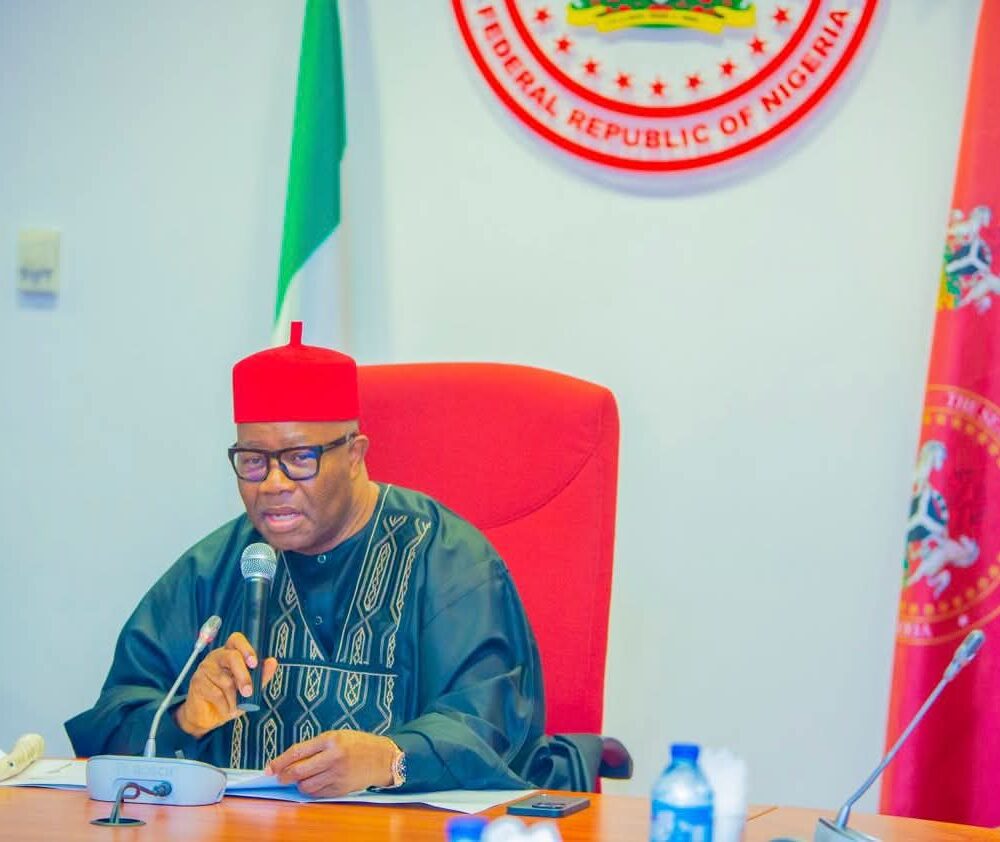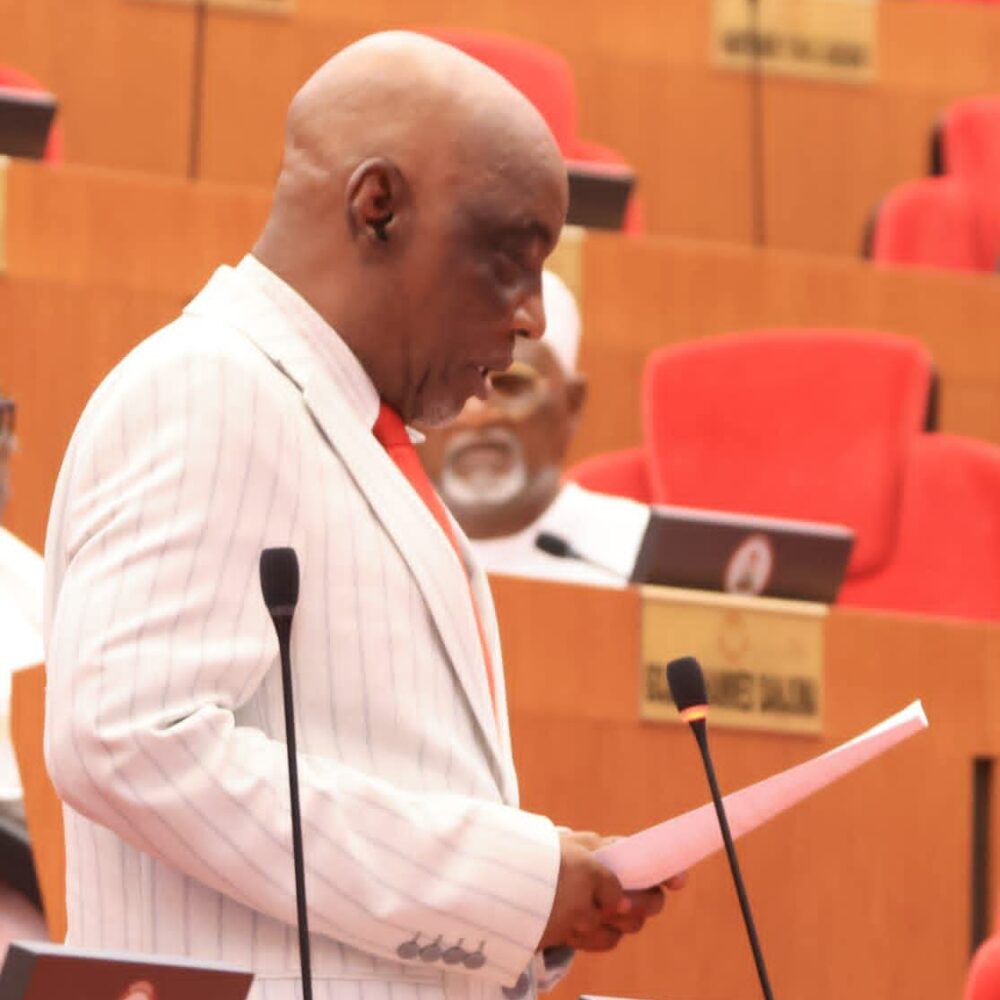

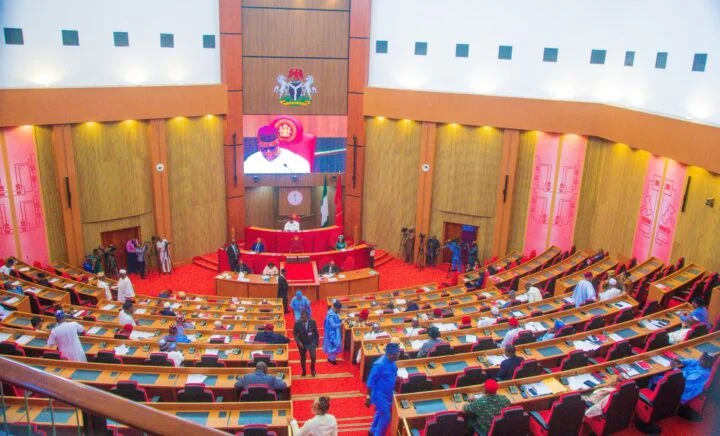
The National Assembly is set to transmit the Constitution Alteration Bill seeking the establishment of state police to the 36 State Houses of Assembly this week, marking a crucial step toward one of Nigeria’s most significant security reforms.
The bill, which was recently passed by the Senate, requires approval by at least 24 state assemblies before it can be forwarded to President Bola Tinubu for assent, in line with Section 9 of the 1999 Constitution.
Chairman of the Senate Committee on Media and Publicity, Senator Yemi Adaramodu, confirmed that all arrangements had been concluded for the transmission, noting that state legislatures and governors were already expecting the bill following extensive consultations before its passage.
According to Adaramodu, speakers of the state assemblies have held preparatory meetings, while governors were present during the Senate’s consideration and approval of the proposal.
The proposed constitutional amendment seeks to establish a dual policing system, allowing state governments to create and operate state police services while the Nigeria Police Force retains responsibility for national security issues, including terrorism, border security, cybercrime and other federal offences.
To address concerns over possible abuse by state governments, the bill contains safeguards prohibiting state police authorities from targeting individuals or groups for criticising governments. It also empowers the Federal Government to intervene where national security, public order or fundamental human rights are threatened.
The proposal has received broad support from governors, state legislatures and several political stakeholders. The Conference of Speakers of State Legislatures, the Nigeria Governors’ Forum and the Forum of Progressive Speakers have all expressed support, pledging to ensure diligent consideration and effective oversight if the amendment becomes law.
Benue State Governor Hyacinth Alia described the Senate’s approval as a landmark step toward strengthening Nigeria’s security architecture, arguing that state police would improve intelligence gathering through better knowledge of local communities and terrain.
The Labour Party also backed the proposal, describing it as a major milestone in strengthening grassroots security, while acknowledging concerns over potential misuse by state governors.
However, the Peoples Redemption Party (PRP) opposed the initiative, questioning its timing and expressing doubts about the current administration’s ability to oversee such a far-reaching policing reform.
Meanwhile, Senate Leader Senator Opeyemi Bamidele defended the passage of the bill, insisting it was driven by national security needs rather than political considerations ahead of the 2027 general elections.
Bamidele said the proposal emerged from years of consultations involving the executive, the Nigeria Governors’ Forum, the Conference of Speakers of State Legislatures and the leadership of the Nigeria Police. He noted that nationwide public hearings conducted in 2025 showed overwhelming support for state policing.
According to him, the Nigerian Police also contributed recommendations that strengthened accountability and oversight mechanisms in the bill to prevent abuse.
He further disclosed that 84 of the 109 senators voted in support of the amendment, describing the broad backing across party lines as evidence of a growing national consensus on the need to decentralise policing.
If at least 24 state assemblies approved the bill, it will be transmitted to President Tinubu for assent, potentially paving the way for the most significant restructuring of Nigeria’s internal security framework since the return to democratic rule in 1999.